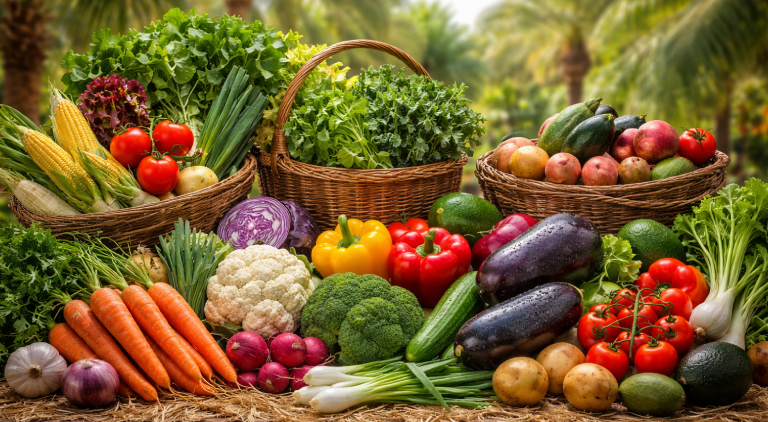
If you’ve walked through any supermarket in Dubai lately, you’ve probably noticed the growing sections dedicated to organic produce. The shelves are packed with vibrant greens, colorful peppers, and root vegetables, all bearing that coveted “organic” label.
But what does it actually mean when we talk about organic vegetables in Dubai? And more importantly, is the rising demand for organic vegetables, popularity amongst the nutritionists, and the premium price tag really worth it?
This detailed post covers what makes organic vegetables stand out, their advantages over conventional options, key differences in production, tips for spotting authentic ones, and a spotlight on sourcing excellence from NRTC Group.
What Exactly Are Organic Vegetables?
Here’s the thing about organic vegetables: they’re not a different species or some genetically modified superfood. They’re regular vegetables grown using methods that work with nature rather than against it. Think of it as farming the way your great-grandparents might have done it, but with modern knowledge and certification standards.
Organic farming means growing vegetables without synthetic pesticides, chemical fertilizers, or genetically modified organisms (GMOs). Instead, farmers use natural compost, crop rotation, and biological pest control to nurture their crops. It’s a more hands-on, time-intensive process that requires patience and expertise.
In Dubai and around the UAE, where extreme heat and sandy soil pose unique challenges, organic farming requires even greater dedication. Farmers here have mastered techniques like controlled greenhouse environments and innovative irrigation systems to produce quality organic vegetables year-round.
How Vegetables Are Certified Organic In UAE?
In the UAE, organic certification is governed by standards set by local authorities and international bodies. For vegetables to be classified as organic, farms must follow strict guidelines for at least three years before their first harvest can be certified. This transition period ensures that the soil is free from prohibited substances and that the farming system is truly organic.
Certification bodies conduct regular inspections of farms, examining everything from soil health to water sources, seed origins to pest management practices. Farmers maintain detailed records of every input used on their crops. It’s like a paper trail that proves every tomato and cucumber was grown according to organic standards.
Organic certification in the UAE ensures vegetables meet strict standards for chemical-free farming and sustainability. The Emirates Authority for Standardization and Metrology (ESMA), now part of the Ministry of Industry and Advanced Technology (MoIAT), oversees the national organic program via the ESMA Organic UAE label.
Organic Vegetables vs Regular Vegetables
Beyond the farming methods, there are tangible differences you can observe between organic and conventional vegetables. Some of them include:
1. Growing Methods:
Conventional farms rely heavily on synthetic fertilizers to boost growth quickly. Organic farms build healthy soil using compost, manure, and natural amendments. This creates a living ecosystem beneath the surface where beneficial microorganisms thrive.
2. Pest Management:
While conventional farmers might spray synthetic pesticides at the first sign of bugs, organic farmers use companion planting, beneficial insects like ladybugs, and natural deterrents. It’s a chess game with nature rather than an all-out chemical war.
3. Appearance:
Here’s something interesting: organic vegetables often look more “real.” They might not be perfectly uniform in size or color. You might find a slightly oddly shaped zucchini or a tomato with minor blemishes. That’s not a flaw, it’s authenticity. Conventional produce is often bred and treated for appearance above all else.
4. Shelf Life:
Organic vegetables typically have a shorter shelf life because they’re not treated with preservatives or waxes. That cucumber will start to soften faster, which actually tells you it’s fresh and natural.
5. Price:
Let’s not dance around it. organic vegetables cost more. In Dubai, you might pay 20-30% more than conventional produce. But consider what you’re paying for: cleaner farming practices, better working conditions for farmers, environmental stewardship, and potentially better nutrition.
How to Spot Genuine Organic Vegetables in Dubai?
With the growing demand for organic produce, knowing how to identify the real deal is essential. Here’s your practical guide:
1. Look for Certification Labels:
This is your first line of defense. Genuine organic vegetables will have certification logos clearly displayed. Look for USDA Organic, EU Organic leaf, Soil Association, or local UAE organic certifications. These aren’t just stickers; they represent verified farming practices.
2. Examine the Appearance:
Remember what I said about organic vegetables looking more natural? They shouldn’t be waxed to a glossy shine or perfectly identical to each other. Some variation in size and color is normal and actually a good sign.
3. Know Your Source:
In Dubai, buying from reputable suppliers makes all the difference. Established organic retailers and farmers’ markets are your best bet. Ask questions: Where was this grown? Who certified it? How long has the farm been organic?
4. Read the Packaging:
If vegetables come pre-packaged, read the label carefully. It should clearly state “certified organic” along with the certifying body. Vague terms like “natural” or “pesticide-free” don’t mean organic unless there’s proper certification.
5. Trust Your Senses:
Organic vegetables often have a stronger, more authentic aroma. Fresh organic herbs, for instance, should smell intensely fragrant. The texture should feel natural, not coated or artificially enhanced.
NRTC: From Farm to Your Plate with Unmatched Freshness
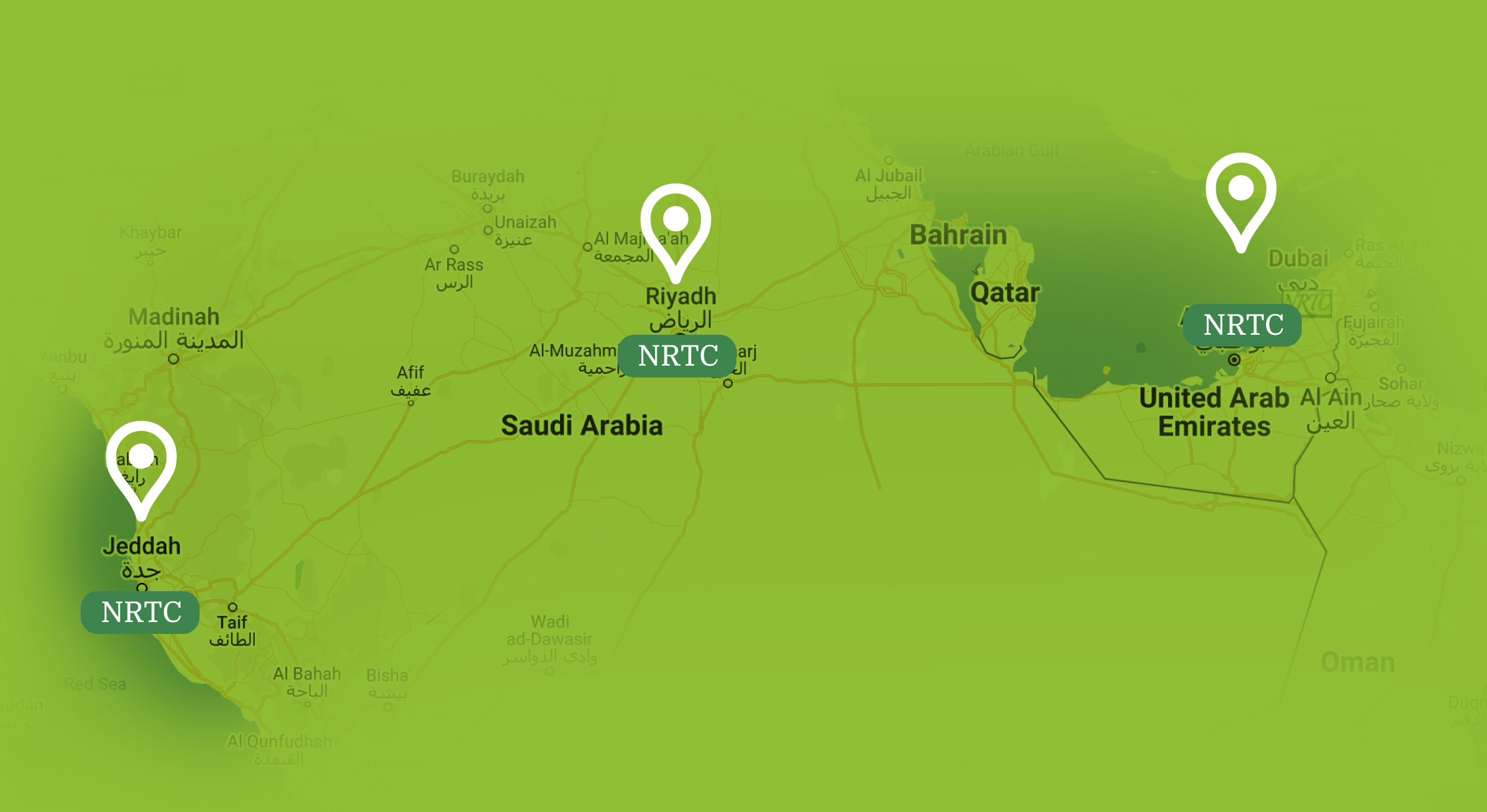
NRTC sources the finest fresh fruits and seasonal fruits straight from trusted UAE and GCC farmers, ensuring a seamless journey from harvest to your plate without compromising freshness or quality. So buying certified organic vegetables in Dubai has never been easier.
With cutting-edge cold-chain logistics, real-time tracking, and direct farmer partnerships, NRTC delivers peak-ripe produce—like winter citrus and strawberries—at wholesale prices for businesses and homes. Our commitment to minimal handling and sustainable practices means every bite bursts with flavor and nutrition, making us your reliable partner in the UAE’s vibrant fruit scene.
Our Final Thoughts
If you’re convinced about buying organic vegetables in Dubai and using them, but wondering how to make the transition, here’s our practical advice: Start small.
You don’t need to overhaul your entire grocery list overnight. Begin with the “Dirty Dozen” vegetables that typically have the highest pesticide residues when grown conventionally: spinach, bell peppers, tomatoes, and cucumbers are good starting points.
Shop smart during sale seasons. Many retailers offer promotions on organic produce. Stock up on items that store well or can be frozen. Connect with the organic community in Dubai.
If you are looking for organic vegetables in Dubai, there are farmers’ markets, organic food groups on social media or order from trusted retailers like NRTC Fresh or for bulk B2B orders, get in touch with us.