


NRTC Donates 400 Fruit Baskets in Partnership with Beit Al Khair Society

Blogs section


Ramadan is a time when homes, communities, and workplaces come together around one of the most meaningful traditions of the Holy Month — sharing Iftar.
To celebrate this spirit of togetherness, NRTC recently hosted “Ahlan Ramadan,” an intimate in-house gathering dedicated to exploring the beauty and creativity of Ramadan table settings. The event brought together invited guests and a professional table stylist Ms Magda Hajduk to demonstrate inspiring ideas for creating memorable Iftar tables that reflect the warmth, hospitality, and cultural richness of the season.

At the heart of Ramadan is the simple yet powerful act of sharing a meal. Tables become spaces where families reconnect, friendships deepen, and communities come together. Through Ahlan Ramadan, NRTC sought to highlight how thoughtful table presentation can elevate these moments, transforming an ordinary dining setting into an inviting and meaningful gathering place.
During the session, guests were introduced to different approaches to Ramadan table styling — from traditional lantern-lit settings inspired by Middle Eastern hospitality to modern, elegant arrangements that bring a contemporary touch to Iftar gatherings. Designs that focus on creating a welcoming atmosphere that celebrates both heritage and creativity.
The event also reflected a broader message that resonates strongly in the UAE today — the importance of community, family, and shared experiences. In a time when the spirit of giving and togetherness is especially cherished, gatherings like these serve as a reminder that the true beauty of Ramadan lies in the moments we share with others.
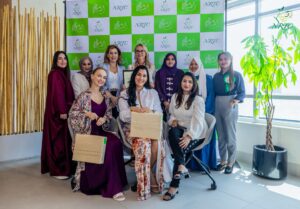
For NRTC, food has always been about more than supply chains and distribution. It is about the role that food plays in people’s lives — bringing nourishment, joy, and connection to tables across the UAE every day.
As guests explored the art of the Ramadan table, it became a celebration not just of aesthetics, but of the values that define the Holy Month: hospitality, generosity, and community.
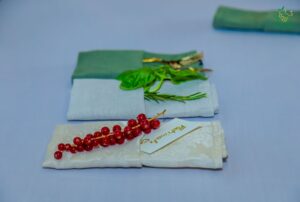
With lanterns glowing, tables beautifully arranged, and conversations flowing, Ahlan Ramadan was a heartfelt tribute to the traditions that make Ramadan so special.
Because during Ramadan, a table is never just a table — it is where stories are shared, memories are created, and communities come together.
Ahlan Ramadan. Ahlan Togetherness.
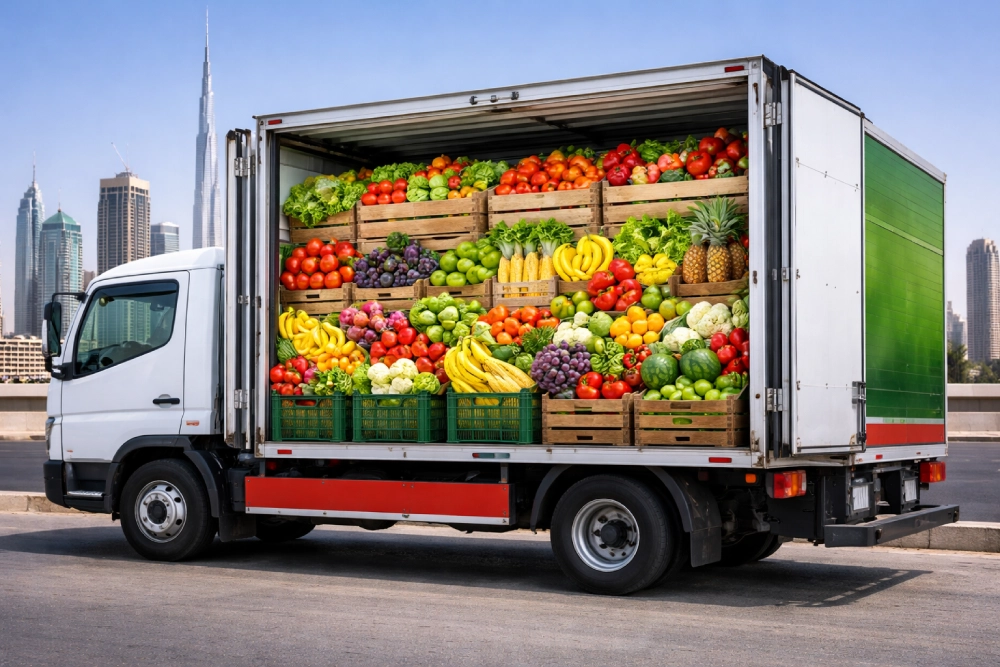
If you’ve walked into a supermarket recently and found your favourite fruits and veggies right where they should be — that didn’t happen by accident.
With ongoing disruptions to regional shipping routes across the Middle East, keeping fresh produce flowing into the UAE has taken a whole lot of behind-the-scenes hustle. And that’s exactly what we’ve been doing.
Geopolitical pressures have been putting real strain on logistics corridors across the region. When shipping routes get disrupted, supply chains feel it fast — and fresh produce is one of the most time-sensitive categories out there. Berries don’t wait. Neither do chillies.
As soon as we saw the early signs of disruption, our teams kicked into action. No waiting to see how things unfolded — just a fast, coordinated response to make sure shelves stayed stocked.
We tapped into our global grower network and activated alternative suppliers quickly. We rerouted cargo through available ports and corridors. We scaled up import volumes by around 50% to close any gaps in availability. And we used every mode of transport at our disposal — road, air and sea.
In just the past week alone, that looked like this:
🚚 Around 3,000 tonnes delivered via land corridors from Jordan, Turkey, Syria and Egypt
✈️ 500 tonnes of time-sensitive produce flown in via Emirates and Etihad Airways
🚢 1,200 tonnes routed through Port of Khor Fakkan and Port of Fujairah
And there’s more on the way — an additional 17,000 tonnes of fresh produce is expected to arrive in the coming days.
On top of everything we’re importing, we’re also proud to supply around 6,000 tonnes every month from UAE-grown farms under our own Mahsool brand by ESG Agro. Local farming is a big part of how the UAE builds long-term food resilience — and we’re glad to be part of that story.
“Our foremost priority is to prevent any disruption to the availability of fresh produce in the UAE market. Consumers should continue to find fruits and vegetables on shelves just as they would on any normal day — from berries to beans, plums to potatoes, and cherries to chillies.”
— Mohammed Al Rifai, Group CEO, NRTC Group
Getting produce to the UAE is only half the equation. Once it lands, it moves through our temperature-controlled distribution network — straight to supermarkets, wholesale markets, restaurants and foodservice operators across the country. The cold chain stays unbroken. Quality stays intact.
Fresh produce travels a long way to reach your table. Our teams work around the clock to make sure it gets there — but we’d love your help too. During times like these, being mindful about what you buy and reducing food waste goes a long way for the whole community.
As Mohammed Al Rifai put it: “Responsible consumption ensures these resources benefit the entire community.”
The bottom line? Your fruits and vegetables aren’t going anywhere. We’ll keep doing what we do — so you don’t have to worry about it.
NRTC is a core subsidiary of Ghitha Holding PJSC, part of International Holding Company (IHC), and the official fresh fruits and vegetable handler for the UAE market. Through its global sourcing network, multi-modal logistics and locally grown Mahsool brand, NRTC works to keep fresh produce accessible and available for everyone across the UAE.
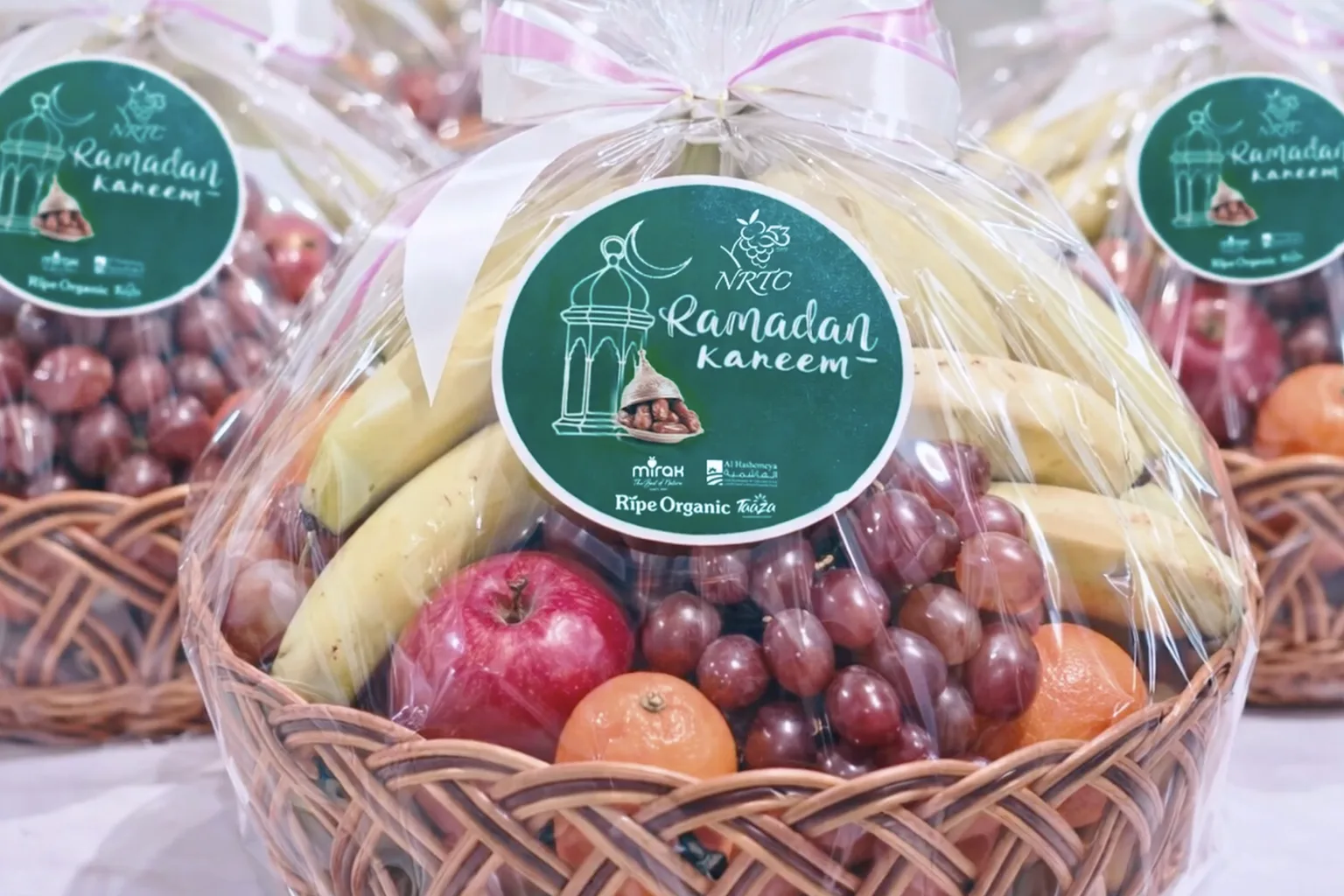
Ramadan has a way of bringing out the best in people — and this year, we at NRTC leaned into that fully. From busy Dubai streets to community centres in Al Ain, NRTC and our subsidiaries rolled up our sleeves and showed up in a big way for communities across the UAE.
Here’s a quick look at everything we got up to during the holy month.
If you’ve ever been stuck in traffic when the Maghrib call comes in, you know the struggle. That’s exactly why our subsidiary, Mirak Group, stepped in to support the UAE Food Cluster Community Iftar Outreach Initiative — organised in partnership with Dubai Culture.
The initiative set out to distribute over 15,000 Iftar meal kits to motorists and commuters at key spots across Dubai, including near the iconic Etihad Museum. Mirak Group’s contribution? A fresh 9,000 apples — because breaking your fast should include something wholesome and nutritious, not just whatever’s in your glove compartment.
“9,000 fresh apples donated to Dubai Iftar outreach”

We partnered with ne’ma — the UAE’s National Food Loss and Waste Initiative — to support its Family Iftar Boxes program under the Food Rescue Program. The idea is simple but powerful: take surplus food that’s still perfectly good to eat and get it to families who need it, rather than letting it go to waste.
We donated 1,000 Iftar boxes and fruit baskets, and members of our Marketing Team even volunteered at the packing event held at Zayed Education Complex in Oud Al Muteena. Each box packs in around 10–15 kg of food — enough to keep a family of four going for about a week. The programme aims to reach nearly 10,000 families across the UAE.
It also ties into something bigger: the UAE’s national goal to cut food loss and waste by 50% by 2030. Every box counts.
“1,000 Iftar boxes & fruit baskets donated via ne’ma Food Rescue Program”
Ramadan is also a time to appreciate the people who keep things running — often behind the scenes. In collaboration with the UAE Food Bank, we supported the distribution of 2,000 Iftar boxes to workers at a labour accommodation in Jebel Ali, Dubai.
The UAE Food Bank, an initiative under Dubai Municipality, plays a huge role in making sure surplus food finds its way to communities that need it. This partnership felt like a natural fit — and a meaningful way to say thank you to those who contribute so much to the UAE’s growth.
“2,000 Iftar boxes distributed to workers in Jebel Ali”
Our Ramadan efforts stretched beyond Dubai too. We donated fruit baskets to the Sheikh Mohammed Bin Khalid Al Nahyan Culture Center in Al Ain, which incorporated them into a range of Ramadan humanitarian programmes — including Zayed Humanitarian Day activities, Iftar gatherings for People of Determination, and Iftar support for orphans.
It’s a reminder that community spirit doesn’t stop at city limits — and that even a basket of fruit can play a role in bringing people together during the holy month.
“Fruit baskets donated to Al Ain Cultural Center’s humanitarian programmes”
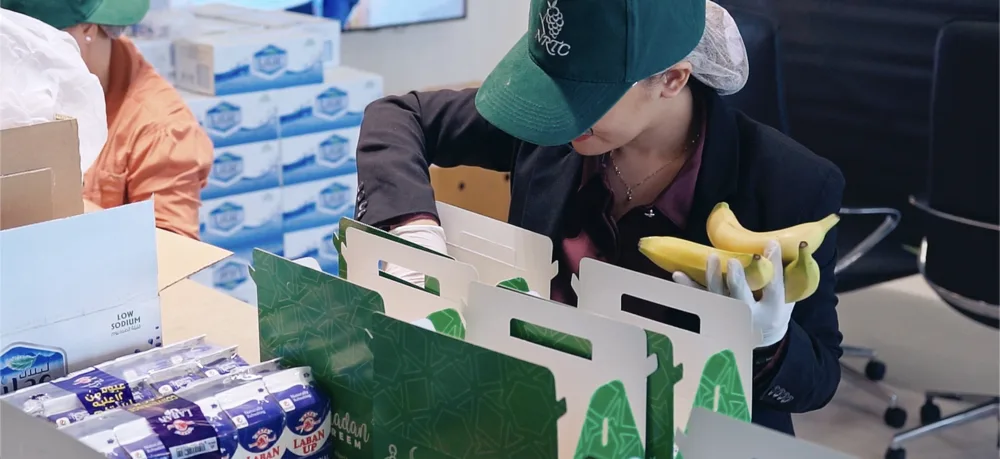
“Ramadan reminds us of the importance of generosity, compassion and unity within our communities. At NRTC, we believe that supporting the spirit of giving during this holy month is a responsibility we proudly embrace”
— Mohammed Alrifai, Group CEO, NRTC
From fresh fruit on Dubai’s roads to packed food boxes in Al Ain, this Ramadan was a full-team effort — and one we’re really proud of. These initiatives aren’t just about food. They’re about showing up with intention, connecting with the communities we’re part of, and making sure the values we talk about all year actually mean something when it counts.
As the UAE celebrates the Year of the Family, it felt especially fitting to focus on initiatives that bring people together and put food on the table. Here’s to continuing that spirit — not just in Ramadan, but all year round.
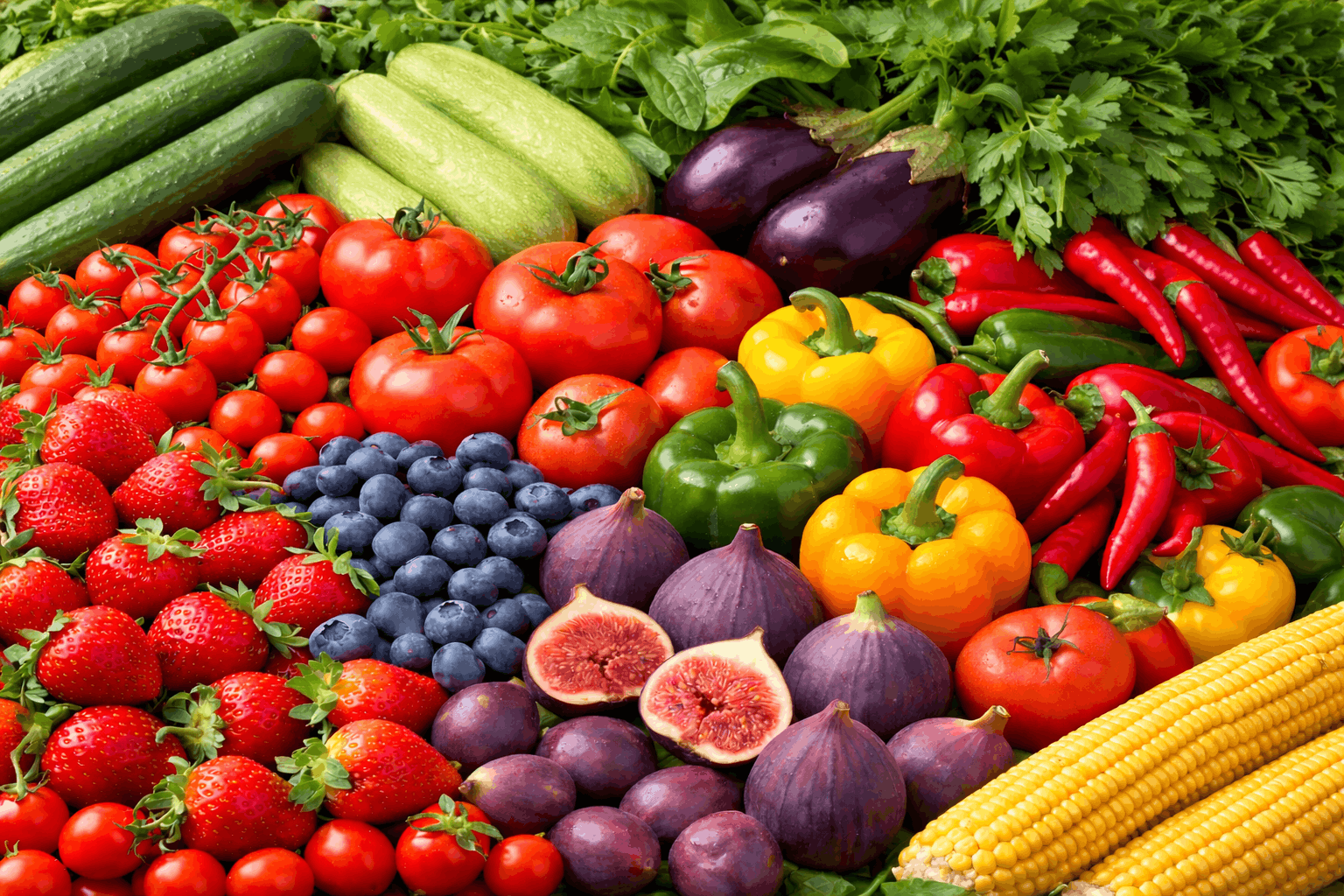
When most people think of the UAE, towering skyscrapers and golden deserts come to mind — not lush green farms. Yet the truth is far more fascinating. The UAE has quietly become a rising hub of agricultural innovation, producing a remarkable variety of vegetables and fruits grown in controlled environment farms, greenhouses & open fields throughout the winter months.
Thanks to the UAE’s temperate growing season — running from October through April — local farms across Dubai, Abu Dhabi, Sharjah, and Al Ain flourish with fresh seasonal produce. Whether grown in hydroponic towers, polytunnel greenhouses, net houses or traditional open-air plots, the quality of locally grown fruits and vegetables has never been better.
But why buy UAE-Grown produce? Locally grown produce means shorter travel distances, better freshness, reduced carbon footprint, and direct support for UAE farmers and producers. When you buy from local farmers and distributors, you are investing in a more sustainable and food-secure future for the region.
In this guide, we explore 9 remarkable vegetables and fruits currently in season across the UAE: their stories, their taste profiles, and the impressive nutritional facts that make each one a powerhouse addition to your plate. If you’re searching for the freshest vegetables and fruits grown in UAE this season.
1. Crisp Cucumbers: Hydration Heroes of UAE Gardens
Cucumbers are among the most popular vegetables and fruits grown in UAE this season, flourishing in shaded tunnels or hydroponics due to the region’s heat. They’re harvested year-round but peak in winter for their juicy crunch.
Nutritional Highlights:
Cucumbers are naturally low in calories and rich in hydrating properties. Vitamin K supports bone health and blood clotting, while potassium helps regulate blood pressure. The silica in cucumber skin also promotes healthy skin and joint tissue.
Slice cucumbers into salads or pickle for a refreshing UAE-style snack—low-calorie at just 16 kcal per cup!
2. Juicy Tomatoes and Cherry Tomatoes: Vitamin C Powerhouses
Tomatoes and their smaller cherry cousins are staples among vegetables and fruits grown in UAE, grown extensively in Al Ain and greenhouse hubs. Winter’s lower humidity boosts their sweetness and yield.
Nutritional Highlights (per medium tomato):
Tomatoes are one of the richest dietary sources of lycopene, a powerful antioxidant linked to reduced risk of heart disease and certain cancers. Vitamin C boosts immunity, while potassium supports cardiovascular health. Interestingly, lycopene becomes more bioavailable when tomatoes are cooked.
Cherry tomatoes add pop to kebabs; both varieties shine in fresh salsas. Goes very well with the Pita Bread, grown in red & yellow variants.
3. Versatile Zucchini & Koosa/Marrow : A Low-Calorie UAE Favorite
Zucchini, or courgette, or locally known as koosa/marrow thrives as one of the vegetables and fruits grown in UAE in cooler seasons, often in vertical farms to save space.
Nutritional Highlights (per cup cooked):
Zucchini & its local cousin Koosa/Marrow are extremely low in calories yet surprisingly rich in Vitamin C and folate, making it a favourite in weight-management diets. Manganese plays a role in bone formation and metabolism, while Vitamin B6 supports brain health and energy production. It’s high water and fibre content also promote healthy digestion.
Grill or spiralize into “zoodles” for a light, local meal. Light on calories, but amazingly good for your taste buds.
4. Leafy Greens: Nutrient-Dense Winter Greens in UAE
Leafy greens like spinach, kale, rocket and lettuce flourish among vegetables and fruits grown in UAE during this season, protected from frost in greenhouses.
Nutritional Highlights (per cup raw spinach):
Leafy greens are nutritional powerhouses. Spinach alone provides an exceptional dose of Vitamin K, essential for bone health and clotting, and Vitamin A, critical for immune function and vision. Rocket leaves are a highly nutritious, low-calorie, nutrient-dense leafy green rich in vitamins K, A, and C, as well as calcium and potassium. The iron and folate content make leafy greens especially important for pregnant women and those with anaemia. Calcium supports strong bones and teeth.
Toss into smoothies or fatoush salad for an iron boost, or try some Indian curries like Palak Paneer or Saag with your Rotis and Breads.
5. Eggplants: Meaty Texture with Antioxidant Punch
Eggplants (aubergines) are prolific vegetables and fruits grown in UAE, loving the warm soil even in winter.
Nutritional Highlights (per cup cooked):
Eggplants contain nasunin, a potent anthocyanin antioxidant found in the purple skin that has been shown to protect brain cell membranes from damage and may have anti-ageing properties. The high fibre content supports digestive health and helps regulate cholesterol levels, while potassium contributes to healthy blood pressure.
Perfect for baba ganoush or mirza ghasemi-inspired dishes. Can be a very tasty option if you wish to try to replace meat with a vegetarian meal.
6. Multi-Coloured Capsicums & Fiery Chilli Peppers: Spice and Colour from the UAE Harvest
Multi-coloured capsicums and fiery chilli peppers brighten the list of vegetables grown in the UAE, cultivated in greenhouses, pots, and open fields for year-round flavour and nutrition.
Capsicums — available in green, red, yellow, and orange — are harvested at different maturity stages, with red varieties offering the highest antioxidant levels. Chilli peppers, ranging from mildly warm to intensely hot, add depth and heat to regional and international cuisines.
Nutritional Highlights (per 100g):
Capsicums:
Chilli Peppers:
Low in calories yet rich in nutrients, both capsicums and chillies are hydration-friendly vegetables suited to the UAE climate and modern farming systems.
Slice capsicums into salads or grills for sweetness and crunch. Add fresh chillies to curries, salsas, and stir-fries — or dry them for bold UAE-style harissa blends.]
7. Sweet Strawberries: Juicy Berries Thriving in UAE
Strawberries are a delightful fruit among vegetables and fruits grown in UAE this season, cultivated in hydroponics in Ras Al Khaimah.
Nutritional Highlights (per cup):
Strawberries are outstanding sources of Vitamin C and polyphenol antioxidants, particularly anthocyanins and ellagic acid, which have been associated with reduced inflammation and lower risk of chronic diseases. Their natural sugar content is moderate despite their sweetness, and the fibre content helps moderate blood sugar spikes.
Enjoy fresh or in yogurt for a post-workout treat.
8. Antioxidant-Rich Blueberries: A UAE Greenhouse Gem
Blueberries, imported seeds, and local success, join vegetables and fruits grown in the UAE via controlled farming.
Nutritional Highlights (per cup):
Blueberries are consistently ranked among the top superfoods globally, primarily due to their exceptionally high anthocyanin content. These powerful antioxidants cross the blood-brain barrier, where research suggests they may improve memory, reduce cognitive decline, and support overall brain health. Vitamin K contributes to bone density, while manganese supports metabolic function.
Blend into acai bowls with local dates for dessert instead of ice cream. You’ll love it!
9. Luxurious Figs: Ancient UAE Delicacy
Figs ripen sweetly as vegetables and fruits grown in UAE in winter orchards, a nod to the region’s history.
Nutritional Highlights (per 2 figs):
Figs are among the most calcium-rich fruits available, making them valuable for bone health particularly in populations that do not consume dairy. Their high natural fibre content — including both soluble and insoluble types — supports gut health and regularity. Potassium helps offset sodium’s effects on blood pressure, while magnesium plays a role in muscle function and sleep quality.
Tastes best when you stuff it with nuts or eat it fresh with cheese.
NRTC plays a key role in bringing vegetables and fruits grown in UAE from farm to your plate. We partner directly with local farmers in areas like Al Ain, Sweihan, and Ras Al Khaimah, prioritizing seasonal, sustainably grown produce like the ones listed above.
This farm-to-fork model supports UAE food security while delivering the freshest vegetables and fruits grown in UAE.
Check out our range of products here – https://nrtcgroup.com/our-products/
The variety and quality of vegetables and fruits grown in the UAE this season are a testament to the ingenuity, dedication, and vision of Emirati farmers, agricultural pioneers and distributors who have transformed desert land into productive, thriving food gardens.
From the hydrating crunch of a locally grown cucumber to the ancestral sweetness of an Al Ain fig, each item on this list represents not only excellent nutrition but also a living connection to the land of the UAE.
Whether you are managing your health, exploring new flavours, or simply want the freshest possible produce on your table, choosing locally grown vegetables and fruits in the UAE is always the right decision.
Seasonal Fresh Fruits Guide: What’s Ripe Now in the GCC & Egypt – https://nrtcgroup.com/seasonal-fresh-fruits-guide-whats-ripe-now-in-the-gcc-and-egypt/
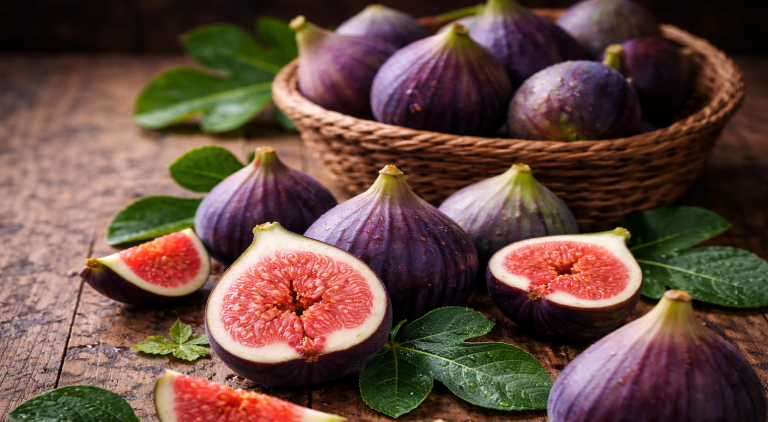
If you’ve been overlooking figs at your local supermarket or dismissing them as something that belongs only in a grandparent’s pantry, you’re missing out on one of nature’s most extraordinary superfruits. The fig — known in Arabic as “At-Teen” (التين) — carries centuries of cultural weight across the Middle East.
It is mentioned in sacred texts, celebrated in ancient mythology, and prized for its remarkable nutritional density. Today, as the global wellness movement continues to surge, figs are experiencing a well-deserved renaissance.
In Dubai and the wider GCC region, figs hold a uniquely special place. From the old souks of Deira to the gleaming aisles of premium supermarkets in Jumeirah, fresh and dried figs have found their way into the Emirati kitchen and onto the menus of the city’s world-class restaurants. Yet many residents still underestimate just how powerful this small, soft fruit really is.
In this post, we unravel everything you need to know about figs: what they are, where they grow, their nutritional profile, health benefits, and the best ways to eat them.
The fig (Ficus carica) is the edible fruit of a deciduous tree or large shrub belonging to the Moraceae family. Native to the Mediterranean region and western Asia, it is one of the oldest cultivated plants in human history, with archaeological evidence tracing its domestication back at least 6,000 years — predating even wheat and barley cultivation in some regions.
Despite being commonly referred to as a fruit, the fig is technically a syconium: a hollow, fleshy receptacle that contains hundreds of tiny inverted flowers inside it. This unique botanical structure gives the fig its characteristic soft, jammy interior and seed-studded texture. When you bite into a ripe fig, those tiny crunchy bits are not seeds in the conventional sense but rather the plant’s miniature flowers.
Figs range from the size of a small plum to a large walnut. Their skin can be green, yellow, brown, red, or deep purple depending on the variety, and their interior flesh ranges from pale pink to deep crimson. The flavour of a perfectly ripe fig is unlike any other fruit — an intense, honey-like sweetness with floral and earthy undertones, and a complexity that deepens as the fruit dries.
There are over 750 recognised varieties of the edible fig. The most commonly consumed worldwide include:
Figs thrive in warm, dry climates with long, hot summers and mild winters — conditions most closely resembling the Mediterranean and the broader Middle Eastern belt. The fig tree is remarkably resilient; it can grow in soil ranging from light sand to heavy clay and even rocky terrain, and it is highly drought-tolerant once established.
Today, figs are cultivated commercially in approximately 50 countries across six continents. The leading producers account for the vast majority of global output:
Figs may be small, but their nutritional profile is exceptionally impressive. Whether consumed fresh or dried, figs are packed with essential vitamins, minerals, dietary fibre, and a rich array of antioxidants that set them apart from many other fruits.
| Nutrient | Per 100g (Fresh) | Per 100g (Dried) |
| Calories | ~74 kcal | ~249 kcal |
| Carbohydrates | ~19 g | ~63 g |
| Dietary Fiber | ~2.9 g | ~9.8 g |
| Protein | ~0.8 g | ~3.3 g |
| Fat | ~0.3 g | ~0.9 g |
| Potassium | ~230 mg | ~680 mg |
| Calcium | ~35 mg | ~162 mg |
| Magnesium | ~17 mg | ~68 mg |
| Iron | ~0.4 mg | ~2.0 mg |
| Copper | ~0.07 mg | ~0.29 mg |
| Vitamin B6 | ~0.11 mg | ~0.11 mg |
| Vitamin K | ~4.7 mcg | ~15.6 mcg |
| Vitamin C | ~2 mg | ~1.2 mg |
1. Exceptional Digestive Support
Figs have long been used as a traditional remedy for constipation and digestive discomfort across the Middle East, Mediterranean, and South Asia. The scientific evidence supports this folk wisdom. The combination of soluble and insoluble fibre in figs helps to soften and add bulk to stools, promotes regular bowel movements, and feeds the beneficial bacteria in the gut microbiome — functioning as a natural prebiotic.
A clinical study involving 150 people with irritable bowel syndrome with constipation (IBS-C) found that participants who consumed approximately four dried figs (45g) twice daily experienced significant reductions in symptoms, including pain, bloating, and constipation, compared to a control group. Figs also contain digestive enzymes that help the body break down proteins and other macronutrients more efficiently.
2. Cardiovascular Health
Figs may play a meaningful role in protecting the heart. Their high potassium content helps regulate blood pressure by counterbalancing the effects of excess dietary sodium. The significant fibre content of figs helps lower LDL (bad) cholesterol levels while supporting healthy blood lipid profiles overall. Animal and in vitro studies have also found that fig extract may help raise HDL (good) cholesterol and reduce triglycerides.
The antioxidant polyphenols in figs — particularly in darker-skinned varieties like Black Mission — help combat oxidative stress and inflammation, two major drivers of cardiovascular disease. Regular consumption of high-antioxidant foods like figs has been associated with improved markers of cardiovascular health in population studies.
3. Blood Sugar Management
Despite their natural sweetness, fresh figs have a moderate glycaemic index (approximately 35–40 for fresh figs), meaning they cause a more gradual rise in blood sugar than many processed snacks or refined sugars. Their fibre content slows the absorption of sugars into the bloodstream, making them a smarter sweet option for those monitoring their blood glucose.
Research has found that beverages containing high doses of fig fruit extract demonstrated a lower glycaemic index than those without fig extract.
Additionally, preliminary animal studies suggest that fig extract may help improve glucose tolerance, insulin sensitivity, and fasting blood glucose levels — effects that researchers partly attribute to the presence of abscisic acid in the fruit.
4. Bone Strength and Density
Figs are one of the rare plant foods that provide a meaningful combination of calcium, potassium, and magnesium — three minerals that work synergistically to build and maintain bone density. Studies suggest that a potassium-rich diet can improve bone health and reduce bone turnover, while calcium is essential for the structural integrity of bones. This combination makes figs particularly valuable for those at risk of osteoporosis, including post-menopausal women and older adults.
5. Skin Health and Anti-Ageing
The vitamins A and C in figs, combined with their antioxidant polyphenols, contribute to healthy, radiant skin. Antioxidants help neutralise free radicals that damage skin cells and accelerate ageing. A clinical study involving children with allergic dermatitis found that a cream made from dried fig fruit extract applied twice daily was more effective at treating symptoms than a standard hydrocortisone cream, suggesting meaningful anti-inflammatory properties in the fruit.
Figs also contain vitamin B6 and iron, both of which are important for hair health — B6 supports keratin production, and iron helps carry oxygen to hair follicles, promoting growth and reducing shedding.
6. Weight Management and Satiety
The high fibre content of figs is a significant contributor to feelings of fullness and satiety, helping to naturally reduce overall caloric intake. Research using data from the National Health and Nutrition Examination Survey (NHANES) found that dried fruit consumption was associated with lower body mass index (BMI) and smaller waist circumference in the population studied. Figs’ ability to satisfy sweet cravings while delivering fibre and micronutrients makes them an excellent replacement for processed sweets and desserts.
7. Rich in Antioxidants and Anti-Inflammatory Compounds
Figs are packed with a variety of polyphenols, including quercetin, rutin, chlorogenic acid, and anthocyanins — compounds that have demonstrated significant antioxidant and anti-inflammatory activity in laboratory studies. These compounds help protect cells from oxidative damage, which has been linked to chronic diseases including cancer, cardiovascular disease, and neurodegeneration.
8. Traditional and Emerging Therapeutic Uses
For millennia, fig leaves, fruit, and latex have been used in traditional medicine systems across the Middle East and Mediterranean. Contemporary research has begun to validate some of these traditional uses. Studies on fig leaf extract have suggested potential benefits for blood sugar regulation in type 1 diabetics (one study found that daily fig leaf tea consumption reduced insulin needs by approximately 12%), antibacterial properties, anti-ulcer effects, and liver support. While much of this research remains at the preliminary stage, it points toward a rich pharmacological potential in the fig plant beyond the fruit alone.
NRTC Fresh, is the direct-to-consumer e-commerce platform of the NRTC Group. Available via the website at nrtcfresh.com and through the mobile app, NRTC Fresh offers a curated selection of fresh and dried figs alongside hundreds of other premium produce items. You get same-day delivery across Dubai, with free delivery on orders above AED 80.
The fig is one of humanity’s oldest companions — a fruit that has nourished civilisations, inspired sacred texts, and sustained generations of people across the most ancient of trading routes. In Dubai today, it is more accessible than ever, thanks to the sophisticated supply chains, refrigerated logistics, and digital grocery platforms that bring the finest figs from farms across Turkey, Brazil, Egypt, Lebanon, and Morocco to your home within hours.
Whether you reach for a plump, fresh fig sliced over your morning labneh, snack on a handful of dried Turkish figs as a mid-afternoon energy boost, or discover the magic of a fig and halloumi salad at one of Dubai’s acclaimed restaurants, you are tapping into a tradition of nourishment that spans millennia. Rich in fibre, potassium, calcium, antioxidants, and a remarkable range of phytochemicals, the fig is not merely a fruit — it is a wellness powerhouse.
If you are in Dubai, you are in luck! We have spent over 50 years perfecting the art of delivering farm-fresh produce in this extraordinary city — the sweet, nourishing fig has never been easier to bring to your table.
Order now > https://nrtcfresh.com/categories/fruits/911?page=1
Buy in bulk > https://nrtcgroup.com/contact-us/
s and vegetables is one simple way to invest in your long-term health — naturally.
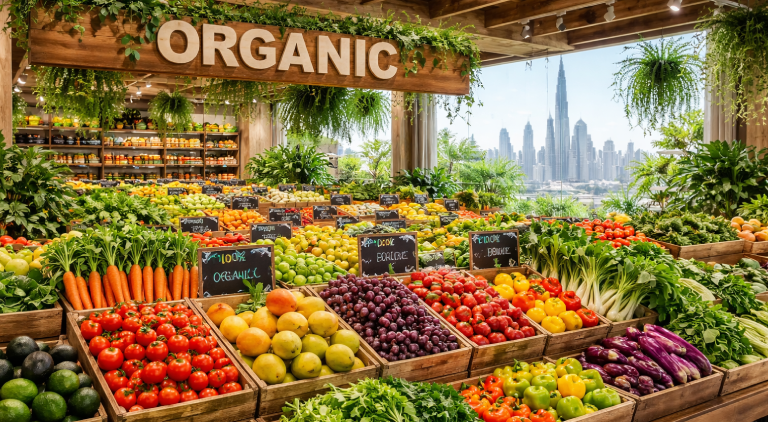
Living in Dubai means craving fresh, vibrant produce amid skyscrapers and endless brunches, but not all fruits and veggies are created equal.
Organic fruits and vegetables in Dubai stand out as the real game-changer for health nuts and flavor chasers alike, think richer tastes without the chemical aftertaste. Let’s dive into why they’re different, their health perks, that unbeatable taste factor, and where to buy them.
Organic fruits and vegetables skip synthetic pesticides, herbicides, and fertilisers, and are grown using natural methods like crop rotation and composting. This results in cleaner produce with diverse soil microbes boosting natural defenses, unlike conventional farming’s chemical-heavy approach that can leave residues.
In Dubai’s import-driven market, organic certification (like EU Organic or USDA) ensures rigorous standards, often from UAE farms or trusted imports—meaning heirloom tomatoes that burst with flavor, not uniformity bred for shipping.
Switching to organic fruits and vegetables slashes pesticide exposure by up to 30 to 90% (Source: Healthline) reducing risks of inflammation, hormone issues, and long-term conditions like certain cancers. Organic options pack 40% more antioxidants—vitamins C and E, polyphenols (Source: Healthline), helping combat pollution and heat stress for stronger immunity and glowing skin.
Over time, this switch supports gut health via prebiotics from healthier soils, improving digestion, mood, and even heart health through lower cadmium levels. Families see sustained energy, fewer allergies, and better chronic disease prevention—vital in our fast-paced expat life.
Ever bite into a conventional strawberry that’s mostly water? Organic produce tastes superior because natural growing amps up sugars, acids, and volatiles—think juicy mangoes with tropical zing or carrots with earthy sweetness.
Without chemical interference, flavors develop fully, making salads pop and smoothies sing. In blind tests, people consistently pick organic for taste, and in Dubai’s humid climate, faster farm-to-table chains preserve that crispness longer.
Switching builds resilience: enhanced nutrients fight aging, support weight management, and cut inflammation for longevity. Environmentally, organic farming conserves UAE’s precious water and soil, aligning with sustainable living amid desert challenges.
Years in, you’ll notice sharper focus, vibrant energy, and fewer doctor visits—plus, it’s budget-smart as prices drop with local scaling.
NRTC, Dubai’s fresh produce leader, powers organic fruits and vegetables in Dubai through its subsidiary Ripe Organic—your ultimate one-stop for certified goodies. Shop from our physical farm stores, pop-ups at Ripe Market, or order online for same-day/next-day delivery of crisp kale, sweet berries, and exotic dragon fruit.
We source our produce directly from trusted local organic farms and carefully selected global partners, ensuring premium quality at affordable prices. With our easy-to-use ordering app and free delivery options, getting fresh organic fruits and vegetables in Dubai is simple and hassle-free.
Beyond farm-fresh produce, you can also shop for organic dairy and everyday pantry staples, making it effortless for busy Dubai residents to enjoy healthy living without compromising on convenience or quality.
Check out our range of organic fruits and vegetables here – https://nrtcgroup.com/our-products/
Healthy eating isn’t about perfection — it’s about better choices. Whether you start with organic leafy greens, seasonal fruits, or a full weekly organic basket, small changes can make a big impact over time.
In a city that never slows down, choosing organic fruits and vegetables is one simple way to invest in your long-term health — naturally.
Also Read:
Your Guide to Buying Organic Vegetables in Dubai – https://nrtcgroup.com/your-guide-to-buying-organic-vegetables-in-dubai/
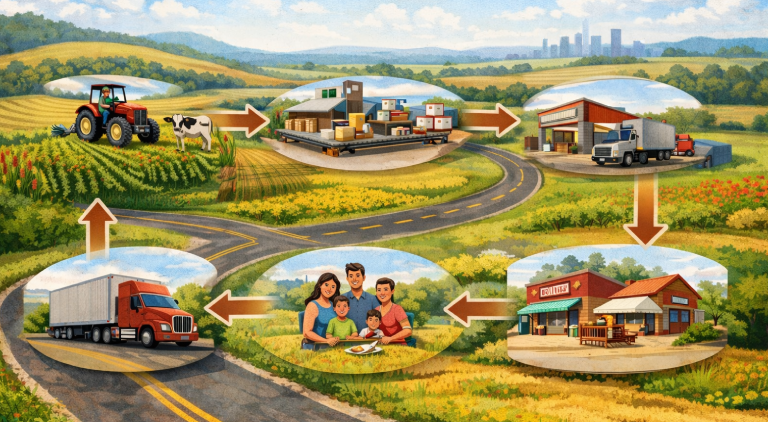
Mazraati is NRTC’s first-of-its-kind digital platform, connecting farmers, packhouses, logistics partners, and buyers in one seamless ecosystem — set to truly revolutionize UAE’s Farm-to-Fork supply chain.
Picture a tomato. It starts its life on a farm in the UAE, gets picked, sorted, boxed, loaded onto a truck, moved through a warehouse, and finally lands on a supermarket shelf or in a restaurant kitchen. Simple enough on paper. But in reality, that journey has long been riddled with blind spots — missing data, temperature fluctuations, manual errors, and a frustrating lack of accountability at every handoff.
Fresh produce gets lost, degraded, or wasted, and nobody knows exactly where things went wrong. That’s the problem we set out to fix with the launch of Mazraati.
Unveiled at Gulfood Green 2026, Mazraati — Arabic for “my farm” — is a first-of-its-kind Farm-to-Fork digital platform developed by NRTC in partnership with Etheral IT Solutions.
At its core, it’s a single, unified digital ecosystem that connects every stakeholder in the fresh-food value chain: farmers, packhouses, quality-control teams, cold-chain logistics providers, warehouses, and end buyers.
The ambition behind it is straightforward but powerful: give everyone in the chain real-time visibility from the moment produce is harvested to the moment it’s delivered. No more guesswork. No more manual paperwork slowing things down. No more unexplained losses.
The UAE’s agri-food supply chain has historically been fragmented. Farms, packhouses, logistics companies, and buyers have each operated in their own silos, with limited visibility into what’s happening at the next step. The result? Quality losses, food waste, and inefficiency at scale — all happening quietly, and often repeatedly, because there was no system to catch it.
Mohammed Alrifai, Group CEO of NRTC, put it plainly: “For decades, the Farm-to-Fork model in the region has been constrained by fragmented systems and limited traceability. Mazraati directly addresses these gaps by digitizing the entire journey of produce, starting at the farm and extending through logistics, quality control, and delivery.“
It’s a problem that might sound technical, but its consequences are deeply human — farmers who don’t get fairly compensated because quality disputes can’t be resolved with data, restaurants that struggle to plan menus because they can’t predict stock quality, and consumers who end up with produce that’s past its prime.
Mazraati is built to address all of it – consistently and coherently.
Mazraati isn’t just an app — it’s an operational backbone. The platform automates vehicle routing and crate movement, monitors temperature in real time, and manages packhouse receiving through QR-based verification.
When produce is inspected, AI-supported quality grading is applied on the spot, meaning quality decisions are consistent, traceable, and data-backed rather than left to the judgment of any one individual. Transit losses are digitally recorded, creating a clear and honest picture of where things go wrong.
What makes Mazraati particularly thoughtful is how it’s been designed to serve everyone in the chain, not just one party. Farmers gain digital visibility into the quantities they’ve supplied, the quality grades assigned to their produce, and QC outcomes — along with payment tracking that builds trust and removes disputes. Logistics partners benefit from automated route planning, real-time monitoring, and crate-level traceability that makes loss prevention actionable.
And finally, the buyers get early visibility into incoming stock quality and quantities, which transforms how they plan demand and set prices.
For a country like the UAE — which imports a significant portion of its food and has made food security a national priority — a platform like Mazraati carries strategic weight beyond supply-chain efficiency.
By strengthening local farm networks and providing the infrastructure to scale them, NRTC is building the kind of resilient, transparent food system that the UAE’s long-term food security goals require.
The platform also captures ESG data at the farm level — tracking environmental and social performance metrics that can support sustainability reporting and responsible sourcing decisions. In a region where corporate sustainability commitments are increasingly scrutinized, this kind of built-in measurement is not a nice-to-have; it’s becoming essential.
We plan to onboard more than 260 farmers onto the platform by 2027, building on its growing network of local farm acquisitions — including Ripe Organic, Mahsool, and other UAE-based production ventures. The breadth of the NRTC ecosystem, which includes entities like Mirak, Al Hashemeya Farms, and Taaza, gives Mazraati a real-world testing ground at a scale that few platforms ever get at launch.
The UAE has made remarkable strides in food technology, vertical farming, and agri-innovation over the past decade. But the supply chain connecting local producers to local consumers has often been the weakest link — and the one that’s hardest to fix, because it involves so many different parties with different interests and different systems.
In essence, Mazraati is not just digitizing workflows — it’s redefining how food is cultivated, tracked, distributed, and delivered across the UAE, marking a new era in smart, data-driven agriculture and sustainable supply-chain innovation.
NRTC Group Strengthens Organic Food Leadership with Acquisition of Ripe Organic – https://nrtcgroup.com/nrtc-group-strengthens-organic-food-leadership-with-acquisition-of-ripe-organic/
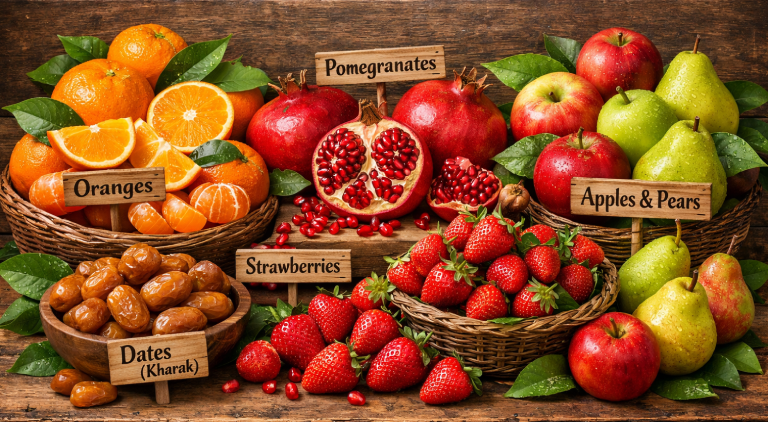
The UAE’s climate creates ideal conditions for enjoying premium fresh fruits and seasonal fruits at their peak. Fresh, locally available seasonal produce offers superior flavor, nutritional value, and cost-effectiveness compared to imported alternatives. Whether you are in Saudi Arabia, Kuwait, the UAE, Qatar, Bahrain, or Oman, timing your buys right means peak ripeness and minimal imports.
So, why Go Seasonal for Fresh Fruits in the GCC & Egypt region? Eating seasonal fresh fruits isn’t just about taste—though that’s definitely a bonus. It’s actually a smart choice for your wallet and your health.
When you buy fruits that are in season, you’re getting produce that hasn’t travelled halfway around the world to reach your table. This means fewer food miles, which is better for the environment. Plus, you’ll notice the savings—seasonal fruits typically cost 20-30% less than their out-of-season counterparts.
But here’s the real treat: the flavor. Seasonal fruits picked at peak ripeness have that perfect crunch, natural sweetness, and juiciness that imported, early-picked fruits just can’t match. You’ll taste the difference in every bite.
Winter in the region (December through February) is when citrus season really hits its stride, along with other cool-weather favorites.
1. Oranges and Mandarins:
Oranges edge out in vitamin C and fiber, aiding heart health and skin vitality, while mandarins deliver more vitamin A for eye health. Both promote hydration with high water content and antioxidants that fight inflammation.
Both fruits deliver folate for cell health, calcium for bones (55mg in oranges), and flavonoids like hesperidin that fight inflammation. Their low calories (47-53 per 100g) and high water content promote hydration and satiety.
Daily intake lowers cholesterol, stabilizes blood sugar, and reduces chronic disease risk through citric acid, which prevents kidney stones.
Check out the ‘Top 5 Citrus Fruits To Eat In UAE’
2. Pomegranates:
Those gorgeous ruby-red seeds aren’t just beautiful; they’re packed with antioxidants. Al Ain farms produce some wonderful pomegranates right now. Toss the seeds into your salads for a sweet-tart crunch.
High in folate (38µg, 10% DV), vitamin K (16µg, 14% DV), and copper (0.2mg, 18% DV), pomegranates aid blood cell formation, bone health, and iron absorption. Their fiber promotes digestive regularity and satiety.
Check out the ‘Top health benefits of Pomegranate’
3. Strawberries:
January brings sweet strawberries from Jordan at their absolute best. If you’re looking to support local sustainability, check out the hydroponically grown UAE strawberries too—they’re fresh, delicious, and have a much smaller carbon footprint.
Regular consumption combats oxidative stress, reduces inflammation linked to chronic diseases, and supports heart health by lowering LDL cholesterol. Studies associate strawberries with improved blood sugar control and brain function due to their polyphenol content.
Check out our article ‘Strawberry – A sweet, super fruit’
4. Dates (Kharak variety):
Kharak dates, also known as dry or black dry dates (Chuara), are nutrient-dense dried fruits from the date palm, prized for their sweet chewiness and health benefits. Rich in B vitamins (like B6 at 15% DV), copper (40% DV), and antioxidants such as polyphenols, Kharak dates support bone strength with calcium and magnesium while aiding heart health by regulating blood pressure.
Consuming 2-4 pieces daily, ideally soaked overnight, provides sustained energy without spiking blood sugar (GI 43-55) and enhances immunity with selenium. These dates combat fatigue, improve stamina, and act as a natural winter warmer due to their body-heating properties.
5. Apples and Pears:
Crisp apples and pears are at their prime right now. Try pairing them with some local yogurt for a simple, satisfying snack.
Apples provide 2.4g fiber, 14% DV vitamin C, and quercetin to fight inflammation per 100g, while pears offer 3.1g fiber (higher soluble type), more copper and folate, and vitamin K for blood clotting. Pears edge in minerals like iron and magnesium.
Daily consumption lowers cholesterol, aids weight control, and reduces chronic disease risk—pears excel for gut regularity, apples for lung health. Their polyphenols support brain function and skin vitality.
Insider Tip: Want seasonal fresh fruits and the best prices? Head to markets like Dubai’s Fruit & Veg Souq early in the morning (OR) order from NRTC Fresh. You’ll find the best selection and quality.
NRTC sources the finest fresh fruits and seasonal fruits straight from trusted UAE, GCC, and Egypt farmers, ensuring a seamless journey from harvest to your plate without compromising freshness or quality.
With cutting-edge cold-chain logistics, real-time tracking, and direct farmer partnerships, NRTC delivers peak-ripe produce—like winter citrus and strawberries—at wholesale prices for businesses and homes. Our commitment to minimal handling and sustainable practices means every bite bursts with flavor and nutrition, making us your reliable partner in the UAE’s vibrant fruit scene.


Some days remind us why purpose matters.
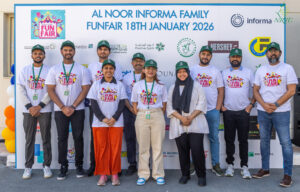
Today, something special happened at the Al Noor Family Funfair.
It wasn’t just about serving fresh juices or hosting activities. It was about watching children proudly show the fruit crafts they made… seeing students smile as colours came alive using fruits and vegetables… and feeling the warmth of a community coming together with genuine care.
At NRTC, we were honoured to spend the day with Al Noor Training Centre for People of Determination, engaging with families and students through simple, joyful experiences rooted in health, creativity, and inclusion.
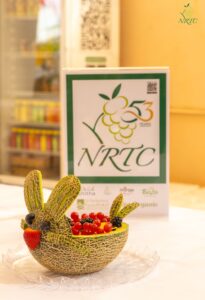
Through our fresh juice and pre-cut fruit stall, 50% of the day’s proceeds were dedicated to supporting Al Noor’s students. But the true value of the day went far beyond numbers.
It was in the conversations.
The laughter.
The small moments that stayed with us long after the event ended.
This is what community looks like when purpose leads the way.
Thank you to the Al Noor team, our volunteers, and every family who shared this day with us. We are grateful — and inspired.
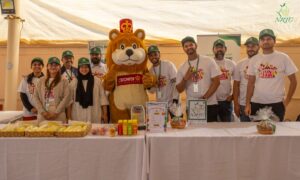
Some days stay with you — not because of what you planned, but because of what you felt.
For the NRTC team, our participation at the Al Noor Family Funfair was one of those days.
As we spent time with students, families, and educators at Al Noor Training Centre for People of Determination, it became clear that the most meaningful moments are often the simplest ones.
A child proudly holding up a fruit craft.
A student discovering colours made from fruits and vegetables.
Volunteers pausing, not to manage an activity, but to listen and connect.
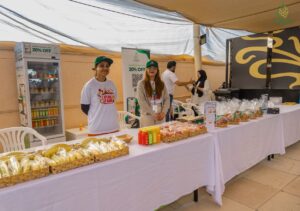
Our role at the event was intentionally designed around engagement and inclusion. From our fresh juice and pre-cut fruit stall — where 50% of the proceeds were donated to support Al Noor’s students — to fruit crafting and creative painting activities, every interaction was meant to be accessible, joyful, and human.
But beyond the activities, what stood out was the sense of belonging.

At NRTC, our work begins with fresh produce, but it does not end there. We believe that businesses have a responsibility to nourish communities — not only through what they supply, but through how they show up.
This event reinforced something important for us:
Impact doesn’t always come from scale.
Sometimes, it comes from presence.
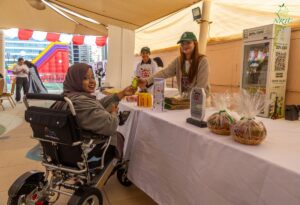
Our collaboration with the Al Noor Training Centre for People of Determination is part of a broader commitment to inclusion, health, and community engagement. It is a journey we are proud to continue — thoughtfully, consistently, and with heart.To the Al Noor team, our volunteers, and every family who shared the day with us — thank you for reminding us what truly matters.

From farm to table, across borders and beyond. 53 years of excellence in fresh produce.


© 2025 All rights reserved.