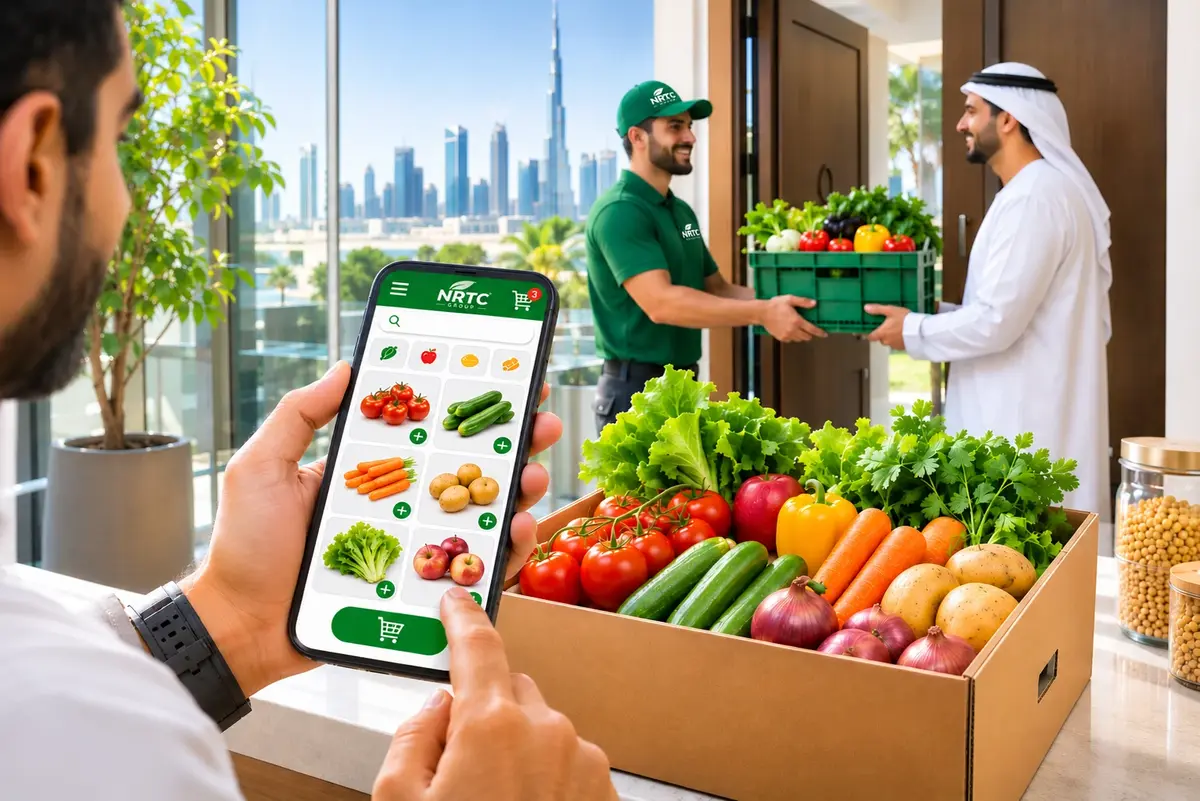
Placing an order for online sabji in the UAE takes a few taps. Any app will confirm the delivery and tell you when the driver is nearby. The hard part is finding a supplier whose vegetables still look good when they reach your loading dock.
If you stock a supermarket, run a hotel kitchen or feed hundreds of guests at an event, the questions you ask before ordering matter more than the app you order on. This guide gives you those questions.
What “Fresh” Really Means When You Order Online Sabji
“Farm fresh” is a label, not a guarantee. Freshness is won or lost in the cold chain, which has four stages:
- Pre-cooling at the farm or packhouse
- Refrigerated transport to the distribution hub
- Chilled storage on arrival
- Temperature-controlled delivery to you
Vegetables start losing quality the moment one link breaks, and an early break is the hardest to fix. So when a supplier says their produce is “kept cold,” ask them to explain each stage.
- Certifications to ask for: Look for HACCP compliance, ISO 22000 and phytosanitary certificates from the country of origin. For fresh-cut produce, ISO 22000 or FSSC 22000 matters even more, because cutting removes the natural protective skin and adds contamination risk. Ask for current documents before your first order. A supplier who can’t produce them has answered your question.
- Import frequency: Ask how often they import and how old the stock is on delivery. A supplier bringing in large volumes daily will usually hold stock for less time than one importing weekly.
Retail App or Wholesale Supplier?
A household shopper and a procurement manager need different things.
Retail delivery apps have low minimums, which suit home orders. For a business, they often mean limited variety, no volume pricing and no firm freshness commitments. Wholesale suppliers ask for larger minimums, but you get steady quality, scheduled deliveries and someone to hold accountable.
Typical buyer needs look like this:
- Supermarkets: often 100 to 500 kg per item category
- Hotel kitchens: daily delivery across dozens of items
- Caterers: flexible volumes tied to event bookings
Lead times differ too: Retail apps usually offer same-day or next-day delivery on small orders. Wholesale suppliers more often work on 24 to 72 hours, with a standing order and an agreed cut-off for changes. Your kitchen then doesn’t depend on what’s available in an app that morning.
Consider fresh-cut: Pre-cut vegetables save prep time, standardise portions and help during busy service. Before ordering, check the supplier’s sanitising method, storage temperature, shelf life after cutting and batch traceability.
What Different Buyers Should Prioritize?
- Supermarkets need consistent daily stock across many lines. Check import frequency, cold-storage depth and whether one supplier can cover your whole range. Splitting orders across several suppliers creates gaps in cold-chain accountability.
- Hotels and restaurants care most about consistency. Different sizing or an unannounced substitution mid-week causes real problems. Agree on grades for each item, a clear substitution policy and a named contact for urgent changes.
- Caterers deal with swings from 200 covers one week to 2,000 the next. Negotiate flexible order windows, standing orders with adjustment clauses and access to fresh-cut options. A 30-day review period at the start lets you test consistency before signing a longer contract.
The Five Questions to Ask Before You Order Online Sabji
- How often do you import vegetables, daily or weekly?
- Can you document the cold chain from source to delivery?
- Which certifications do your produce and facilities hold?
- What are your minimum order quantity and lead time for a first order?
- What happens if quality falls short on delivery?
A clear answer with paperwork is a good sign. If you get vague replies, walk away.
Why Buyers Choose NRTC Group
Platforms are easy to find. But the operational depth involved in daily operations and business continuity is harder, and that’s where NRTC Group stands out.
- Experience: We’ve supplied fresh produce across the Middle East since 1973.
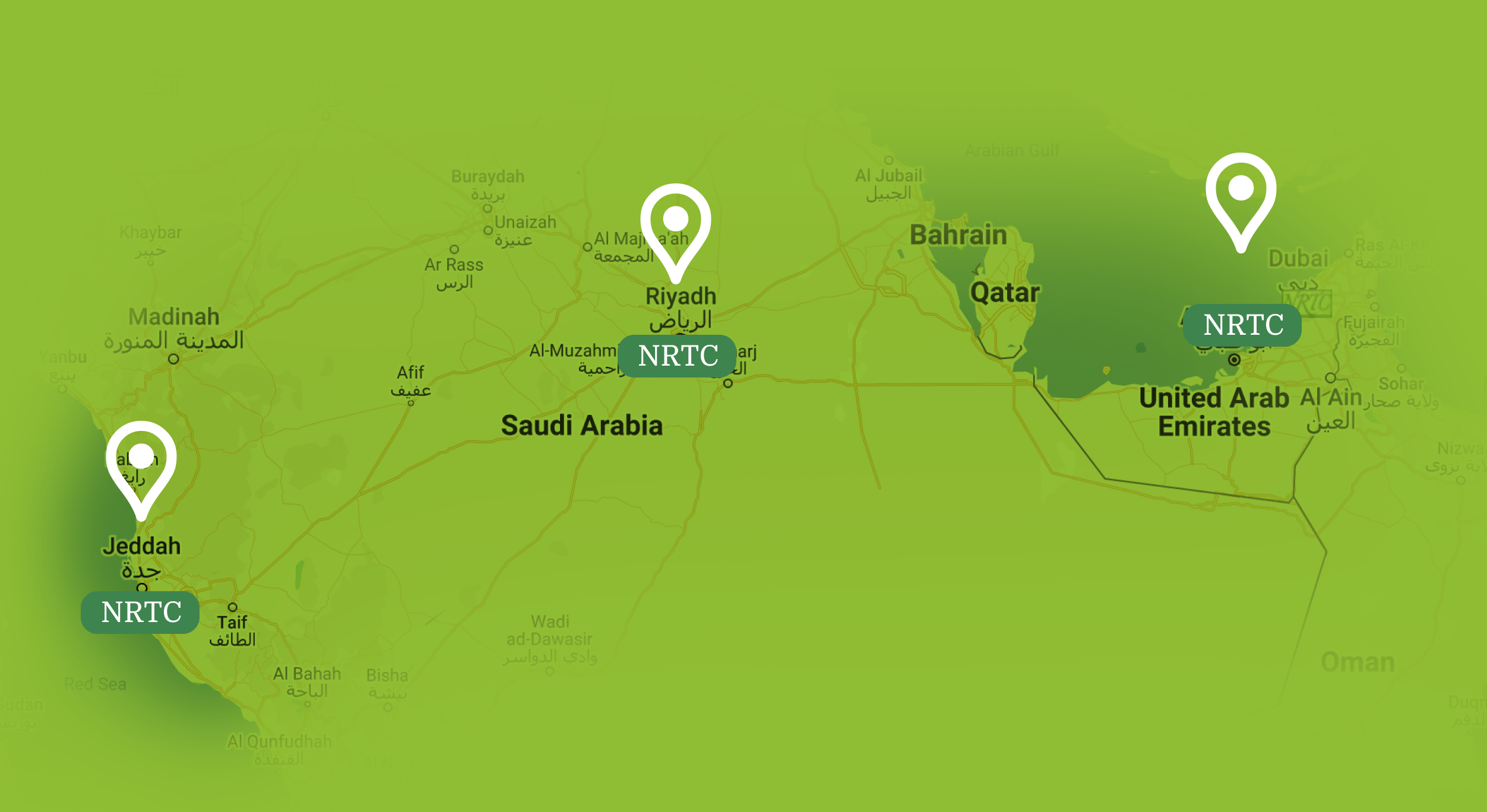
- Scale: We import over 400 tonnes daily from Lebanon, Turkey, Egypt, Saudi Arabia, Oman, Morocco and Jordan, using land, sea and air transport.
- Cold chain: Our 11 chiller sites and 35 temperature-controlled rooms keep produce at the right temperature from arrival to dispatch.
- Range: Fresh vegetables and fruits, fresh cuts and an organic range, all from one supplier.
Using one supplier means one cold chain and one point of accountability. It’s also easier to set up recurring deliveries: agree a standing schedule, fix delivery windows to match your receiving hours and name a contact on both sides. Then review the first cycle for freshness, accuracy and communication before committing longer.
To see how we grade produce, read our guide on how fruits and vegetables are graded for quality in the UAE. Our tips on choosing fresh fruits and vegetables are useful for your receiving team as well.
Conclusion
The app you use to order online sabji hardly matters if the supplier behind it can’t keep the cold chain intact. Check freshness standards, ask for documents and put the five questions to every supplier before your first delivery.
NRTC Group has supplied UAE buyers for over five decades. Contact our team with your volumes, delivery schedule and product needs, and we’ll tell you what we can do.
Frequently Asked Questions about Ajman Market
1. Can businesses order online sabji in bulk in the UAE?
Yes. Wholesale suppliers like NRTC Group take bulk and recurring orders, with scheduled delivery.
2. How do I know online sabji is actually fresh?
Ask about import frequency, stock age on delivery and cold-chain documentation. Don’t rely on “farm fresh” claims.
3. Is fresh-cut produce a good option for caterers?
It can be. It cuts prep time and standardises portions, as long as the supplier can show hygiene and traceability records.