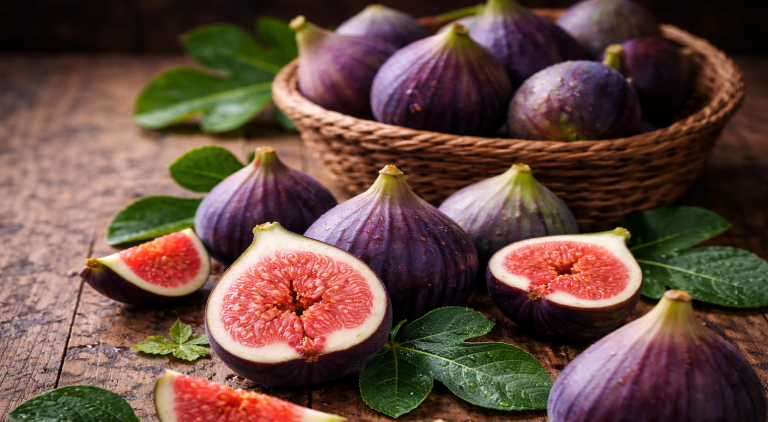
If you’ve been overlooking figs at your local supermarket or dismissing them as something that belongs only in a grandparent’s pantry, you’re missing out on one of nature’s most extraordinary superfruits. The fig — known in Arabic as “At-Teen” (التين) — carries centuries of cultural weight across the Middle East.
It is mentioned in sacred texts, celebrated in ancient mythology, and prized for its remarkable nutritional density. Today, as the global wellness movement continues to surge, figs are experiencing a well-deserved renaissance.
In Dubai and the wider GCC region, figs hold a uniquely special place. From the old souks of Deira to the gleaming aisles of premium supermarkets in Jumeirah, fresh and dried figs have found their way into the Emirati kitchen and onto the menus of the city’s world-class restaurants. Yet many residents still underestimate just how powerful this small, soft fruit really is.
In this post, we unravel everything you need to know about figs: what they are, where they grow, their nutritional profile, health benefits, and the best ways to eat them.
What Is a Fig? World’s Oldest Cultivated Fruit
The fig (Ficus carica) is the edible fruit of a deciduous tree or large shrub belonging to the Moraceae family. Native to the Mediterranean region and western Asia, it is one of the oldest cultivated plants in human history, with archaeological evidence tracing its domestication back at least 6,000 years — predating even wheat and barley cultivation in some regions.
Despite being commonly referred to as a fruit, the fig is technically a syconium: a hollow, fleshy receptacle that contains hundreds of tiny inverted flowers inside it. This unique botanical structure gives the fig its characteristic soft, jammy interior and seed-studded texture. When you bite into a ripe fig, those tiny crunchy bits are not seeds in the conventional sense but rather the plant’s miniature flowers.
Figs range from the size of a small plum to a large walnut. Their skin can be green, yellow, brown, red, or deep purple depending on the variety, and their interior flesh ranges from pale pink to deep crimson. The flavour of a perfectly ripe fig is unlike any other fruit — an intense, honey-like sweetness with floral and earthy undertones, and a complexity that deepens as the fruit dries.
There are over 750 recognised varieties of the edible fig. The most commonly consumed worldwide include:
- Black Mission – Deep purple-black skin with rich, sweet, almost berry-like flesh. The most widely available commercial variety.
- Brown Turkey – Mild and less sweet, with brownish-purple skin. Excellent for cooking and fresh eating alike.
- Calimyrna (Lob Injir) – Large, nutty-flavoured figs with greenish-yellow skin, famous in Turkey’s Aegean region.
- Kadota – Yellow-green skin with milder sweetness. Often used for canning and preserves.
- Adriatic – Light green skin with pink flesh, exceptionally sweet, and often used in fig jam.
- Lebanese & Syrian varieties – Including Byadi, Barada, and Souadi — prized across the Levant for their complex flavour profiles.
Where Are Figs Grown?
Figs thrive in warm, dry climates with long, hot summers and mild winters — conditions most closely resembling the Mediterranean and the broader Middle Eastern belt. The fig tree is remarkably resilient; it can grow in soil ranging from light sand to heavy clay and even rocky terrain, and it is highly drought-tolerant once established.
Today, figs are cultivated commercially in approximately 50 countries across six continents. The leading producers account for the vast majority of global output:
- Turkey
- Eygpt
- Morocco, Algeria and Tunisia
- Iran
- Lebanon and Syria
- Brazil
- Other Countries: Greece, Spain, Saudi Arabia, the United States (California) and Italy
Nutritional Profile Of Figs
Figs may be small, but their nutritional profile is exceptionally impressive. Whether consumed fresh or dried, figs are packed with essential vitamins, minerals, dietary fibre, and a rich array of antioxidants that set them apart from many other fruits.
| Nutrient | Per 100g (Fresh) | Per 100g (Dried) |
| Calories | ~74 kcal | ~249 kcal |
| Carbohydrates | ~19 g | ~63 g |
| Dietary Fiber | ~2.9 g | ~9.8 g |
| Protein | ~0.8 g | ~3.3 g |
| Fat | ~0.3 g | ~0.9 g |
| Potassium | ~230 mg | ~680 mg |
| Calcium | ~35 mg | ~162 mg |
| Magnesium | ~17 mg | ~68 mg |
| Iron | ~0.4 mg | ~2.0 mg |
| Copper | ~0.07 mg | ~0.29 mg |
| Vitamin B6 | ~0.11 mg | ~0.11 mg |
| Vitamin K | ~4.7 mcg | ~15.6 mcg |
| Vitamin C | ~2 mg | ~1.2 mg |
Health Benefits of Figs: What makes it special
1. Exceptional Digestive Support
Figs have long been used as a traditional remedy for constipation and digestive discomfort across the Middle East, Mediterranean, and South Asia. The scientific evidence supports this folk wisdom. The combination of soluble and insoluble fibre in figs helps to soften and add bulk to stools, promotes regular bowel movements, and feeds the beneficial bacteria in the gut microbiome — functioning as a natural prebiotic.
A clinical study involving 150 people with irritable bowel syndrome with constipation (IBS-C) found that participants who consumed approximately four dried figs (45g) twice daily experienced significant reductions in symptoms, including pain, bloating, and constipation, compared to a control group. Figs also contain digestive enzymes that help the body break down proteins and other macronutrients more efficiently.
2. Cardiovascular Health
Figs may play a meaningful role in protecting the heart. Their high potassium content helps regulate blood pressure by counterbalancing the effects of excess dietary sodium. The significant fibre content of figs helps lower LDL (bad) cholesterol levels while supporting healthy blood lipid profiles overall. Animal and in vitro studies have also found that fig extract may help raise HDL (good) cholesterol and reduce triglycerides.
The antioxidant polyphenols in figs — particularly in darker-skinned varieties like Black Mission — help combat oxidative stress and inflammation, two major drivers of cardiovascular disease. Regular consumption of high-antioxidant foods like figs has been associated with improved markers of cardiovascular health in population studies.
3. Blood Sugar Management
Despite their natural sweetness, fresh figs have a moderate glycaemic index (approximately 35–40 for fresh figs), meaning they cause a more gradual rise in blood sugar than many processed snacks or refined sugars. Their fibre content slows the absorption of sugars into the bloodstream, making them a smarter sweet option for those monitoring their blood glucose.
Research has found that beverages containing high doses of fig fruit extract demonstrated a lower glycaemic index than those without fig extract.
Additionally, preliminary animal studies suggest that fig extract may help improve glucose tolerance, insulin sensitivity, and fasting blood glucose levels — effects that researchers partly attribute to the presence of abscisic acid in the fruit.
4. Bone Strength and Density
Figs are one of the rare plant foods that provide a meaningful combination of calcium, potassium, and magnesium — three minerals that work synergistically to build and maintain bone density. Studies suggest that a potassium-rich diet can improve bone health and reduce bone turnover, while calcium is essential for the structural integrity of bones. This combination makes figs particularly valuable for those at risk of osteoporosis, including post-menopausal women and older adults.
5. Skin Health and Anti-Ageing
The vitamins A and C in figs, combined with their antioxidant polyphenols, contribute to healthy, radiant skin. Antioxidants help neutralise free radicals that damage skin cells and accelerate ageing. A clinical study involving children with allergic dermatitis found that a cream made from dried fig fruit extract applied twice daily was more effective at treating symptoms than a standard hydrocortisone cream, suggesting meaningful anti-inflammatory properties in the fruit.
Figs also contain vitamin B6 and iron, both of which are important for hair health — B6 supports keratin production, and iron helps carry oxygen to hair follicles, promoting growth and reducing shedding.
6. Weight Management and Satiety
The high fibre content of figs is a significant contributor to feelings of fullness and satiety, helping to naturally reduce overall caloric intake. Research using data from the National Health and Nutrition Examination Survey (NHANES) found that dried fruit consumption was associated with lower body mass index (BMI) and smaller waist circumference in the population studied. Figs’ ability to satisfy sweet cravings while delivering fibre and micronutrients makes them an excellent replacement for processed sweets and desserts.
7. Rich in Antioxidants and Anti-Inflammatory Compounds
Figs are packed with a variety of polyphenols, including quercetin, rutin, chlorogenic acid, and anthocyanins — compounds that have demonstrated significant antioxidant and anti-inflammatory activity in laboratory studies. These compounds help protect cells from oxidative damage, which has been linked to chronic diseases including cancer, cardiovascular disease, and neurodegeneration.
8. Traditional and Emerging Therapeutic Uses
For millennia, fig leaves, fruit, and latex have been used in traditional medicine systems across the Middle East and Mediterranean. Contemporary research has begun to validate some of these traditional uses. Studies on fig leaf extract have suggested potential benefits for blood sugar regulation in type 1 diabetics (one study found that daily fig leaf tea consumption reduced insulin needs by approximately 12%), antibacterial properties, anti-ulcer effects, and liver support. While much of this research remains at the preliminary stage, it points toward a rich pharmacological potential in the fig plant beyond the fruit alone.
Where to Buy Fresh and Dried Figs in Dubai?
NRTC Fresh, is the direct-to-consumer e-commerce platform of the NRTC Group. Available via the website at nrtcfresh.com and through the mobile app, NRTC Fresh offers a curated selection of fresh and dried figs alongside hundreds of other premium produce items. You get same-day delivery across Dubai, with free delivery on orders above AED 80.
- You can order from here – https://nrtcfresh.com/categories/fruits/911?page=1
- For bulk orders, get in touch with us – https://nrtcgroup.com/contact-us/
Conclusion: Time to Rediscover the Fig
The fig is one of humanity’s oldest companions — a fruit that has nourished civilisations, inspired sacred texts, and sustained generations of people across the most ancient of trading routes. In Dubai today, it is more accessible than ever, thanks to the sophisticated supply chains, refrigerated logistics, and digital grocery platforms that bring the finest figs from farms across Turkey, Brazil, Egypt, Lebanon, and Morocco to your home within hours.
Whether you reach for a plump, fresh fig sliced over your morning labneh, snack on a handful of dried Turkish figs as a mid-afternoon energy boost, or discover the magic of a fig and halloumi salad at one of Dubai’s acclaimed restaurants, you are tapping into a tradition of nourishment that spans millennia. Rich in fibre, potassium, calcium, antioxidants, and a remarkable range of phytochemicals, the fig is not merely a fruit — it is a wellness powerhouse.
If you are in Dubai, you are in luck! We have spent over 50 years perfecting the art of delivering farm-fresh produce in this extraordinary city — the sweet, nourishing fig has never been easier to bring to your table.
Order now > https://nrtcfresh.com/categories/fruits/911?page=1
Buy in bulk > https://nrtcgroup.com/contact-us/
s and vegetables is one simple way to invest in your long-term health — naturally.