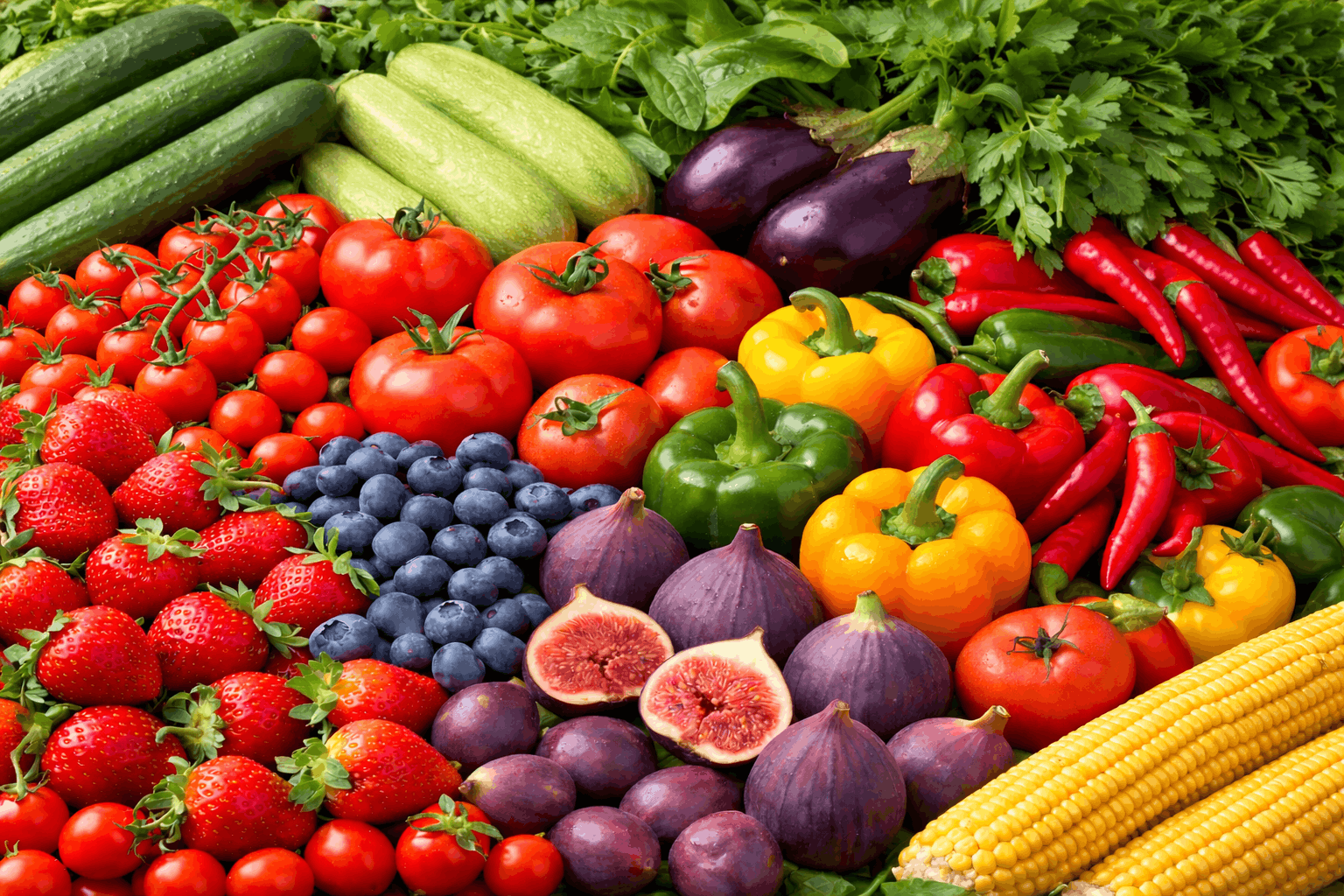
When most people think of the UAE, towering skyscrapers and golden deserts come to mind — not lush green farms. Yet the truth is far more fascinating. The UAE has quietly become a rising hub of agricultural innovation, producing a remarkable variety of vegetables and fruits grown in controlled environment farms, greenhouses & open fields throughout the winter months.
Thanks to the UAE’s temperate growing season — running from October through April — local farms across Dubai, Abu Dhabi, Sharjah, and Al Ain flourish with fresh seasonal produce. Whether grown in hydroponic towers, polytunnel greenhouses, net houses or traditional open-air plots, the quality of locally grown fruits and vegetables has never been better.
But why buy UAE-Grown produce? Locally grown produce means shorter travel distances, better freshness, reduced carbon footprint, and direct support for UAE farmers and producers. When you buy from local farmers and distributors, you are investing in a more sustainable and food-secure future for the region.
In this guide, we explore 9 remarkable vegetables and fruits currently in season across the UAE: their stories, their taste profiles, and the impressive nutritional facts that make each one a powerhouse addition to your plate. If you’re searching for the freshest vegetables and fruits grown in UAE this season.
1. Crisp Cucumbers: Hydration Heroes of UAE Gardens
Cucumbers are among the most popular vegetables and fruits grown in UAE this season, flourishing in shaded tunnels or hydroponics due to the region’s heat. They’re harvested year-round but peak in winter for their juicy crunch.
Nutritional Highlights:
- Over 95% water content, making them ideal for hydration.
- Rich in vitamin K (16% DV per cup) for bone health.
- Provides antioxidants like beta-carotene to fight inflammation.
Cucumbers are naturally low in calories and rich in hydrating properties. Vitamin K supports bone health and blood clotting, while potassium helps regulate blood pressure. The silica in cucumber skin also promotes healthy skin and joint tissue.
Slice cucumbers into salads or pickle for a refreshing UAE-style snack—low-calorie at just 16 kcal per cup!
2. Juicy Tomatoes and Cherry Tomatoes: Vitamin C Powerhouses
Tomatoes and their smaller cherry cousins are staples among vegetables and fruits grown in UAE, grown extensively in Al Ain and greenhouse hubs. Winter’s lower humidity boosts their sweetness and yield.
Nutritional Highlights (per medium tomato):
- High in vitamin C (28% DV) for immune support.
- Lycopene antioxidant linked to heart health.
- Good source of potassium (292 mg) for blood pressure control.
Tomatoes are one of the richest dietary sources of lycopene, a powerful antioxidant linked to reduced risk of heart disease and certain cancers. Vitamin C boosts immunity, while potassium supports cardiovascular health. Interestingly, lycopene becomes more bioavailable when tomatoes are cooked.
Cherry tomatoes add pop to kebabs; both varieties shine in fresh salsas. Goes very well with the Pita Bread, grown in red & yellow variants.
3. Versatile Zucchini & Koosa/Marrow : A Low-Calorie UAE Favorite
Zucchini, or courgette, or locally known as koosa/marrow thrives as one of the vegetables and fruits grown in UAE in cooler seasons, often in vertical farms to save space.
Nutritional Highlights (per cup cooked):
- Extremely low in calories (27 kcal) yet fiber-rich (2.5g).
- Packed with vitamin C (35% DV) and manganese for metabolism.
- Contains lutein for eye health.
Zucchini & its local cousin Koosa/Marrow are extremely low in calories yet surprisingly rich in Vitamin C and folate, making it a favourite in weight-management diets. Manganese plays a role in bone formation and metabolism, while Vitamin B6 supports brain health and energy production. It’s high water and fibre content also promote healthy digestion.
Grill or spiralize into “zoodles” for a light, local meal. Light on calories, but amazingly good for your taste buds.
4. Leafy Greens: Nutrient-Dense Winter Greens in UAE
Leafy greens like spinach, kale, rocket and lettuce flourish among vegetables and fruits grown in UAE during this season, protected from frost in greenhouses.
Nutritional Highlights (per cup raw spinach):
- Iron powerhouse (2.7 mg, 15% DV) for energy.
- Folate (194 mcg, 49% DV) for cell growth.
- Vitamins A and K for vision and clotting.
Leafy greens are nutritional powerhouses. Spinach alone provides an exceptional dose of Vitamin K, essential for bone health and clotting, and Vitamin A, critical for immune function and vision. Rocket leaves are a highly nutritious, low-calorie, nutrient-dense leafy green rich in vitamins K, A, and C, as well as calcium and potassium. The iron and folate content make leafy greens especially important for pregnant women and those with anaemia. Calcium supports strong bones and teeth.
Toss into smoothies or fatoush salad for an iron boost, or try some Indian curries like Palak Paneer or Saag with your Rotis and Breads.
5. Eggplants: Meaty Texture with Antioxidant Punch
Eggplants (aubergines) are prolific vegetables and fruits grown in UAE, loving the warm soil even in winter.
Nutritional Highlights (per cup cooked):
- Nasunin antioxidant protects brain cells.
- Fiber (2.5g) aids digestion; low calories (35 kcal).
- Manganese (10% DV) supports bones.
Eggplants contain nasunin, a potent anthocyanin antioxidant found in the purple skin that has been shown to protect brain cell membranes from damage and may have anti-ageing properties. The high fibre content supports digestive health and helps regulate cholesterol levels, while potassium contributes to healthy blood pressure.
Perfect for baba ganoush or mirza ghasemi-inspired dishes. Can be a very tasty option if you wish to try to replace meat with a vegetarian meal.
6. Multi-Coloured Capsicums & Fiery Chilli Peppers: Spice and Colour from the UAE Harvest
Multi-coloured capsicums and fiery chilli peppers brighten the list of vegetables grown in the UAE, cultivated in greenhouses, pots, and open fields for year-round flavour and nutrition.
Capsicums — available in green, red, yellow, and orange — are harvested at different maturity stages, with red varieties offering the highest antioxidant levels. Chilli peppers, ranging from mildly warm to intensely hot, add depth and heat to regional and international cuisines.
Nutritional Highlights (per 100g):
Capsicums:
- Vitamin C powerhouse (up to 150–200% DV in red varieties) for immune support.
- Vitamin A and beta-carotene for vision and skin health.
- Natural antioxidants like lutein and zeaxanthin for eye protection.
Chilli Peppers:
- Over 143mg of Vitamin C (more than 150% DV).
- Capsaicin supports metabolism, circulation, and pain relief.
- Vitamin B6 aids nerve function and energy metabolism.
Low in calories yet rich in nutrients, both capsicums and chillies are hydration-friendly vegetables suited to the UAE climate and modern farming systems.
Slice capsicums into salads or grills for sweetness and crunch. Add fresh chillies to curries, salsas, and stir-fries — or dry them for bold UAE-style harissa blends.]
7. Sweet Strawberries: Juicy Berries Thriving in UAE
Strawberries are a delightful fruit among vegetables and fruits grown in UAE this season, cultivated in hydroponics in Ras Al Khaimah.
Nutritional Highlights (per cup):
- Vitamin C leader (149% DV) for collagen.
- Manganese (28% DV) for blood sugar control.
- Ellagic acid fights cancer cells.
Strawberries are outstanding sources of Vitamin C and polyphenol antioxidants, particularly anthocyanins and ellagic acid, which have been associated with reduced inflammation and lower risk of chronic diseases. Their natural sugar content is moderate despite their sweetness, and the fibre content helps moderate blood sugar spikes.
Enjoy fresh or in yogurt for a post-workout treat.
8. Antioxidant-Rich Blueberries: A UAE Greenhouse Gem
Blueberries, imported seeds, and local success, join vegetables and fruits grown in the UAE via controlled farming.
Nutritional Highlights (per cup):
- Anthocyanins for brain health and anti-aging.
- Fiber (3.6g) and vitamin C (24% DV).
- Low glycemic index at 57 kcal.
Blueberries are consistently ranked among the top superfoods globally, primarily due to their exceptionally high anthocyanin content. These powerful antioxidants cross the blood-brain barrier, where research suggests they may improve memory, reduce cognitive decline, and support overall brain health. Vitamin K contributes to bone density, while manganese supports metabolic function.
Blend into acai bowls with local dates for dessert instead of ice cream. You’ll love it!
9. Luxurious Figs: Ancient UAE Delicacy
Figs ripen sweetly as vegetables and fruits grown in UAE in winter orchards, a nod to the region’s history.
Nutritional Highlights (per 2 figs):
- Fiber bomb (5g) for gut health.
- Calcium (53 mg, 5% DV) and potassium for bones.
- Polyphenols reduce inflammation.
Figs are among the most calcium-rich fruits available, making them valuable for bone health particularly in populations that do not consume dairy. Their high natural fibre content — including both soluble and insoluble types — supports gut health and regularity. Potassium helps offset sodium’s effects on blood pressure, while magnesium plays a role in muscle function and sleep quality.
Tastes best when you stuff it with nuts or eat it fresh with cheese.
How NRTC Sources Fresh Seasonal Vegetables & Fruits from Local Farmers
NRTC plays a key role in bringing vegetables and fruits grown in UAE from farm to your plate. We partner directly with local farmers in areas like Al Ain, Sweihan, and Ras Al Khaimah, prioritizing seasonal, sustainably grown produce like the ones listed above.
-
- Direct Farmer Partnerships (Mahsool): NRTC works with over 100 UAE farmers, ensuring fair prices and quality checks at harvest.
- Cold Chain Logistics: Produce is picked at peak ripeness, transported in refrigerated trucks within hours to maintain freshness—no wilting or nutrient loss.
- Traceability & Sustainability: QR codes on packaging let you track from farm to store; they support water-efficient hydroponics amid UAE’s desert climate.
- Store Availability: Find these at NRTC outlets across Dubai, Abu Dhabi, and beyond, often within 24 hours of picking.
This farm-to-fork model supports UAE food security while delivering the freshest vegetables and fruits grown in UAE.
Check out our range of products here – https://nrtcgroup.com/our-products/
Conclusion: Eat Local, Live Well
The variety and quality of vegetables and fruits grown in the UAE this season are a testament to the ingenuity, dedication, and vision of Emirati farmers, agricultural pioneers and distributors who have transformed desert land into productive, thriving food gardens.
From the hydrating crunch of a locally grown cucumber to the ancestral sweetness of an Al Ain fig, each item on this list represents not only excellent nutrition but also a living connection to the land of the UAE.
Whether you are managing your health, exploring new flavours, or simply want the freshest possible produce on your table, choosing locally grown vegetables and fruits in the UAE is always the right decision.
Also Read:
Seasonal Fresh Fruits Guide: What’s Ripe Now in the GCC & Egypt – https://nrtcgroup.com/seasonal-fresh-fruits-guide-whats-ripe-now-in-the-gcc-and-egypt/