There’s a particular kind of disappointment that comes from getting home, unpacking your grocery bag, and realizing that the “fresh” tomato you picked is already going soft on the inside. If you’ve been there, you’re not alone; figuring out what’s actually fresh at a glance is trickier than it sounds.
This guide breaks down why freshness is such a moving target, how to spot the real deal when you’re shopping, and how NRTC keeps its produce genuinely fresh from source to shelf.
Why Finding Fresh Fruits & Vegetables Is a Challenge
On paper, buying fresh produce should be simple – walk in, pick it up, take it home.
In practice, a lot works against you.
Produce starts losing nutrients and quality the moment it’s harvested, and by the time it reaches a store shelf, it’s often already been through multiple handling points – farm, distributor, warehouse, transport, display. Every one of those stops is a chance for quality to slip if temperature control, timing, or handling isn’t managed properly. In a hot climate like the UAE’s, that risk multiplies fast; produce left even briefly outside a cold chain can wilt or spoil within hours.
Add to that the fact that a lot of fruits and vegetables are imported over long distances, and it’s easy to see why “fresh” on a label doesn’t always mean fresh on your plate. Add to that inconsistent supplier quality, and shoppers are often left guessing.
How to Know If the Fruits & Vegetables You’re Buying Are Fresh?
A few reliable checks can save you from a lot of guesswork at the store:
- Look at the skin, not just the color. Fresh produce has taut, unblemished skin. Wrinkles, soft spots, or dullness usually mean it’s past its best.
- Give it a gentle squeeze. Fruits like mangoes or avocados should yield slightly to pressure but not feel mushy. Vegetables like cucumbers or eggplants should feel firm, not spongy.
- Check the stem end. For fruits like tomatoes or citrus, a green, intact stem is a good sign; a dried-out or missing stem often means it’s been sitting around.
- Smell it. Ripe, fresh produce usually has a subtle, natural aroma – overly strong or slightly fermented smells are a red flag.
- Weight matters. Fresh fruits and vegetables tend to feel heavier than they look, since they’re still holding their natural water content.
- Check the leaves, if attached. For leafy greens or vegetables sold with stems (like carrots or radishes), crisp, vibrant leaves usually indicate recent harvest.
Hacks to Find Fresh Fruits and Vegetables in Dubai
Living in Dubai comes with its own quirks when it comes to shopping fresh – here’s what tends to work:
- Shop early in the day. Most markets and supermarkets restock in the morning, so early shoppers get first pick before shelves are picked over.
- Visit specialty produce markets over generic supermarkets. Dedicated fruit and vegetable markets often turn over stock faster than large chain stores.
- Buy what’s in season locally or regionally. Seasonal produce travels shorter distances and spends less time in transit, which usually means better freshness.
- Ask about delivery days. Many suppliers and stores have fixed days when fresh stock arrives – timing your shop around this makes a real difference.
- Choose suppliers with visible cold chain practices. If a supplier can’t explain how they keep produce cold from farm to delivery, that’s worth questioning.
- Order online from trusted sources. Reputable online grocers often source directly and deliver same-day, cutting out the extra handling steps that happen in traditional retail.
How NRTC Makes Sure Customers Get Fresh Fruits and Vegetables All the Time
This is really where the difference between “fresh-looking” and “actually fresh” gets made – in the infrastructure most customers never see.
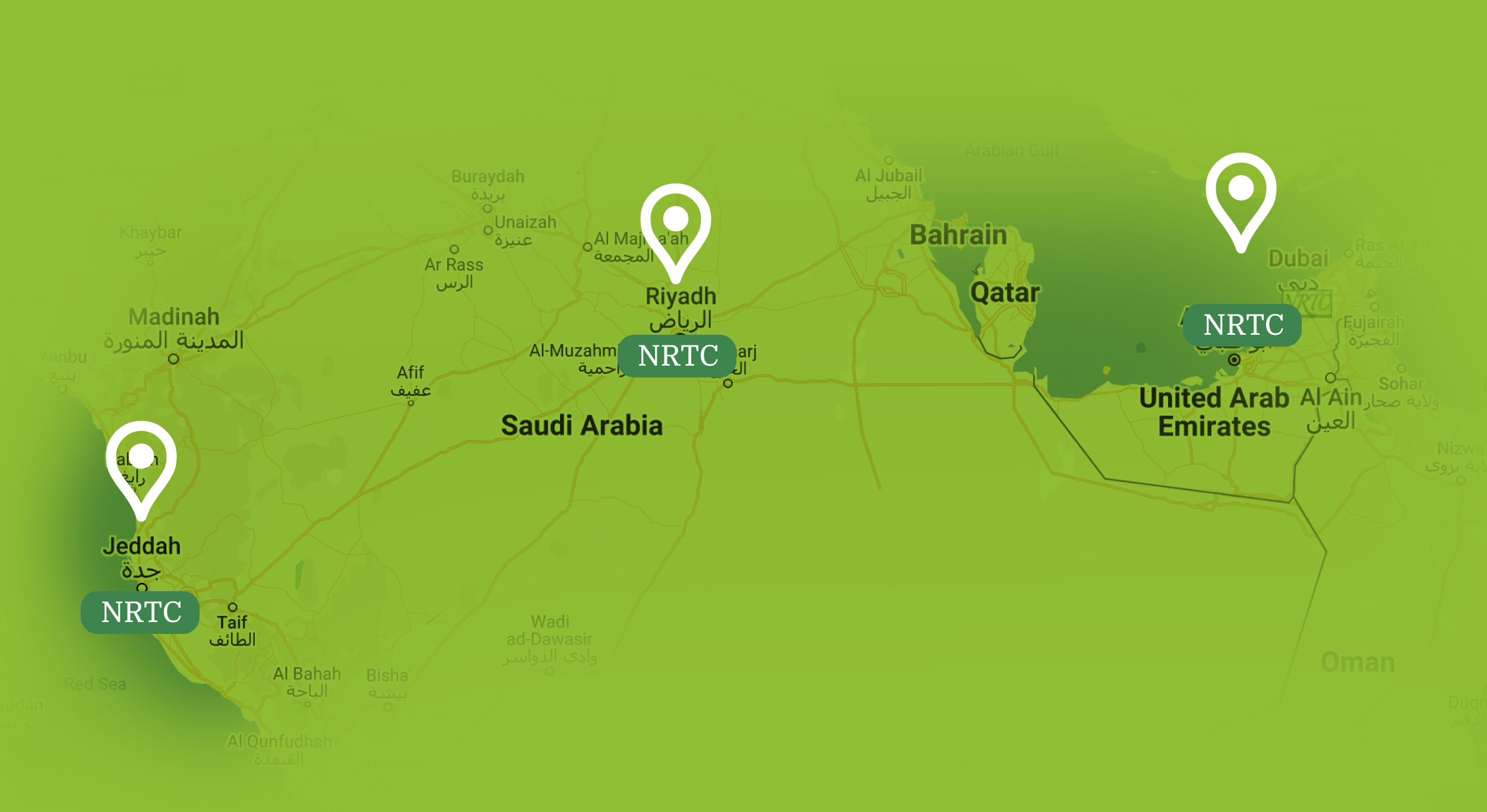
NRTC runs a 100,000 sq ft cold storage facility in Nadd Al Hamar, housing 35 international-standard cold rooms with a combined capacity of 20,000 tonnes. Every room is calibrated for the specific humidity and temperature needs of different produce types, which is a big part of why shelf life holds up so much better than with generic storage.
Getting produce from that facility to a customer’s door relies on a logistics fleet of 300+ chiller-equipped vehicles, all Dubai Municipality-approved and HACCP-calibrated, running routes across the UAE and into neighboring GCC markets. That’s not a small detail – a broken cold chain at any single point, even for an hour, can undo everything upstream.
Quality control runs in parallel with all of this. NRTC’s operations follow ISO 22000-2005 standards and HACCP principles, with a dedicated quality team tracking produce through a full traceability system – meaning every batch can be tracked back to its source if needed. Combined with a sourcing network of 55 global trading partners spanning the Middle East, Africa, Europe, Australia, North America, and South Asia, the result is a supply chain built specifically to protect freshness at every handoff, not just at the final delivery point.
Conclusion
Freshness isn’t just about what a fruit or vegetable looks like on the shelf – it’s the result of everything that happened before it got there: how it was harvested, stored, transported, and handled. Knowing what to look for helps you shop smarter, but working with a supplier that’s actually built its operations around freshness takes the guesswork out entirely.
Ready to taste the difference? For direct, single orders, shop at nrtcfresh.com. For bulk or business orders, get in touch through nrtcgroup.com.