Vegetables & Fruits Grown in UAE During This Season

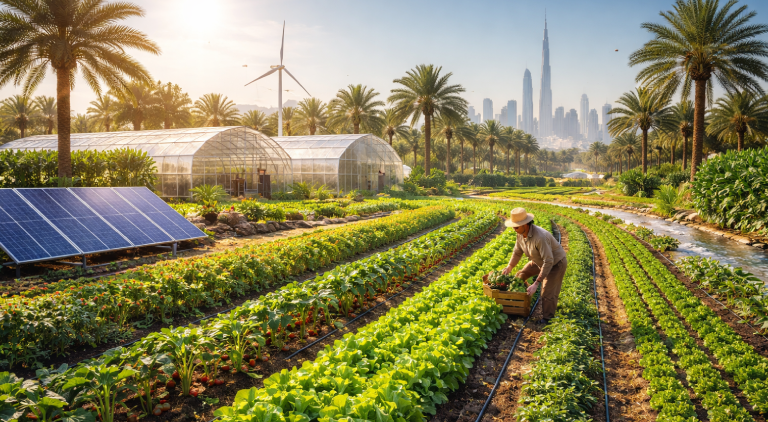
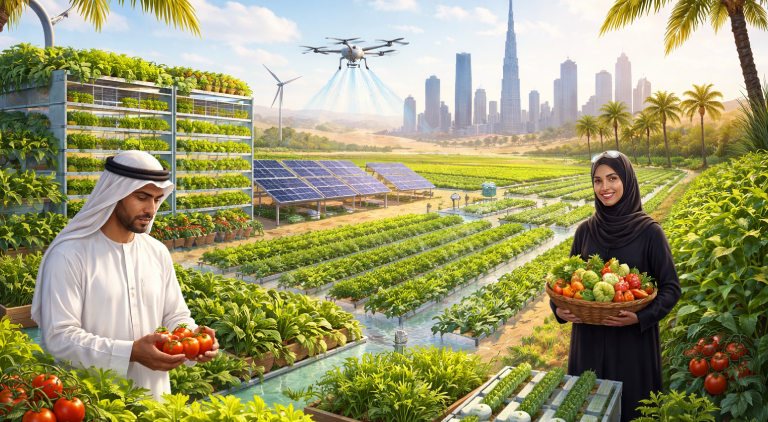
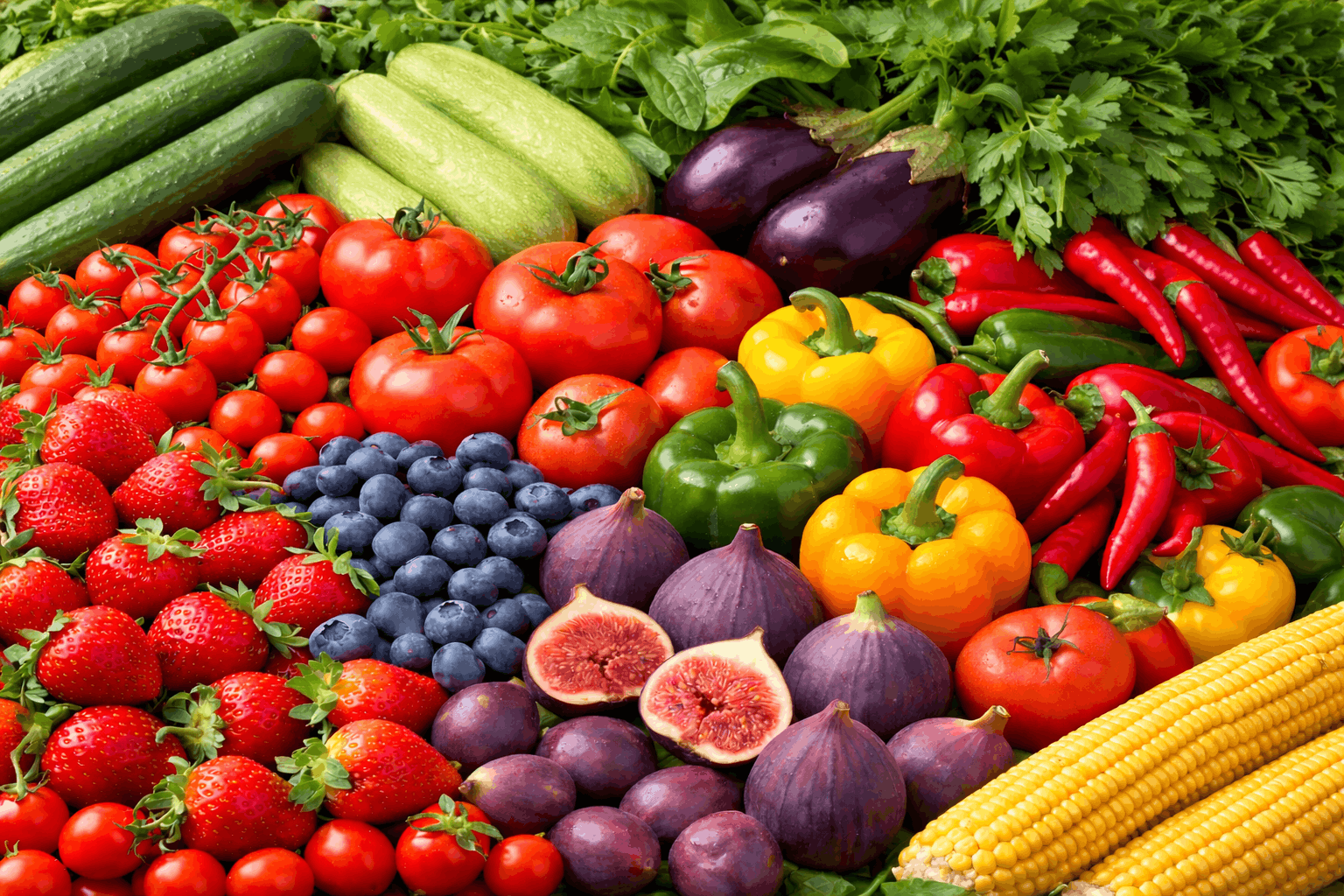
When most people think of the UAE, towering skyscrapers and golden deserts come to mind — not lush green farms. Yet the truth is far more fascinating. The UAE has quietly become a rising hub of agricultural innovation, producing a remarkable variety of vegetables and fruits grown in controlled environment farms, greenhouses & open fields throughout the winter months.

Thanks to the UAE’s temperate growing season — running from October through April — local farms across Dubai, Abu Dhabi, Sharjah, and Al Ain flourish with fresh seasonal produce. Whether grown in hydroponic towers, polytunnel greenhouses, net houses or traditional open-air plots, the quality of locally grown fruits and vegetables has never been better. 

But why buy UAE-Grown produce? Locally grown produce means shorter travel distances, better freshness, reduced carbon footprint, and direct support for UAE farmers and producers. When you buy from local farmers and distributors, you are investing in a more sustainable and food-secure future for the region.

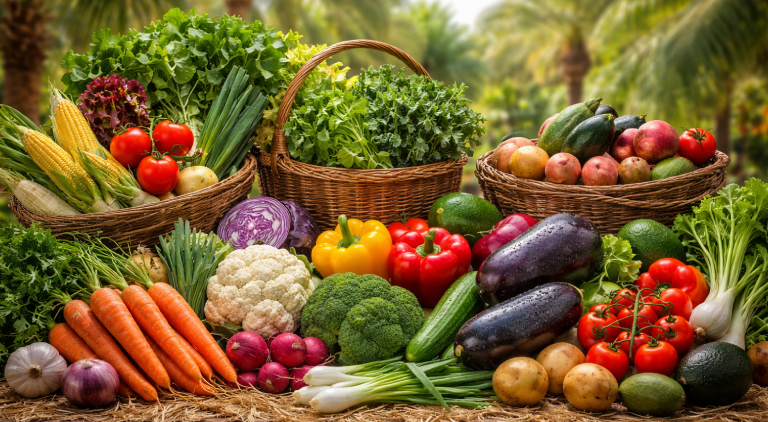
In this guide, we explore 9 remarkable vegetables and fruits currently in season across the UAE: their stories, their taste profiles, and the impressive nutritional facts that make each one a powerhouse addition to your plate. If you’re searching for the freshest vegetables and fruits grown in UAE this season.

1. Crisp Cucumbers: Hydration Heroes of UAE Gardens

Cucumbers are among the most popular vegetables and fruits grown in UAE this season, flourishing in shaded tunnels or hydroponics due to the region’s heat. They’re harvested year-round but peak in winter for their juicy crunch.

Nutritional Highlights:

  • Over 95% water content, making them ideal for hydration.
  • Rich in vitamin K (16% DV per cup) for bone health.
  • Provides antioxidants like beta-carotene to fight inflammation.

Cucumbers are naturally low in calories and rich in hydrating properties. Vitamin K supports bone health and blood clotting, while potassium helps regulate blood pressure. The silica in cucumber skin also promotes healthy skin and joint tissue.

Slice cucumbers into salads or pickle for a refreshing UAE-style snack—low-calorie at just 16 kcal per cup!

2. Juicy Tomatoes and Cherry Tomatoes: Vitamin C Powerhouses

Tomatoes and their smaller cherry cousins are staples among vegetables and fruits grown in UAE, grown extensively in Al Ain and greenhouse hubs. Winter’s lower humidity boosts their sweetness and yield.

Nutritional Highlights (per medium tomato):

  • High in vitamin C (28% DV) for immune support.
  • Lycopene antioxidant linked to heart health.
  • Good source of potassium (292 mg) for blood pressure control.

Tomatoes are one of the richest dietary sources of lycopene, a powerful antioxidant linked to reduced risk of heart disease and certain cancers. Vitamin C boosts immunity, while potassium supports cardiovascular health. Interestingly, lycopene becomes more bioavailable when tomatoes are cooked.

Cherry tomatoes add pop to kebabs; both varieties shine in fresh salsas. Goes very well with the Pita Bread, grown in red & yellow variants.

3. Versatile Zucchini & Koosa/Marrow : A Low-Calorie UAE Favorite

Zucchini, or courgette, or locally known as koosa/marrow thrives as one of the vegetables and fruits grown in UAE in cooler seasons, often in vertical farms to save space.

Nutritional Highlights (per cup cooked):

  • Extremely low in calories (27 kcal) yet fiber-rich (2.5g).
  • Packed with vitamin C (35% DV) and manganese for metabolism.
  • Contains lutein for eye health.

Zucchini & its local cousin Koosa/Marrow are extremely low in calories yet surprisingly rich in Vitamin C and folate, making it a favourite in weight-management diets. Manganese plays a role in bone formation and metabolism, while Vitamin B6 supports brain health and energy production. It’s high water and fibre content also promote healthy digestion.

Grill or spiralize into “zoodles” for a light, local meal. Light on calories, but amazingly good for your taste buds.

4. Leafy Greens: Nutrient-Dense Winter Greens in UAE

Leafy greens like spinach, kale, rocket and lettuce flourish among vegetables and fruits grown in UAE during this season, protected from frost in greenhouses.

Nutritional Highlights (per cup raw spinach):

  • Iron powerhouse (2.7 mg, 15% DV) for energy.
  • Folate (194 mcg, 49% DV) for cell growth.
  • Vitamins A and K for vision and clotting.

Leafy greens are nutritional powerhouses. Spinach alone provides an exceptional dose of Vitamin K, essential for bone health and clotting, and Vitamin A, critical for immune function and vision. Rocket leaves are a highly nutritious, low-calorie, nutrient-dense leafy green rich in vitamins K, A, and C, as well as calcium and potassium. The iron and folate content make leafy greens especially important for pregnant women and those with anaemia. Calcium supports strong bones and teeth.

Toss into smoothies or fatoush salad for an iron boost, or try some Indian curries like Palak Paneer or Saag with your Rotis and Breads.

5. Eggplants: Meaty Texture with Antioxidant Punch

Eggplants (aubergines) are prolific vegetables and fruits grown in UAE, loving the warm soil even in winter.

Nutritional Highlights (per cup cooked):

  • Nasunin antioxidant protects brain cells.
  • Fiber (2.5g) aids digestion; low calories (35 kcal).
  • Manganese (10% DV) supports bones.

Eggplants contain nasunin, a potent anthocyanin antioxidant found in the purple skin that has been shown to protect brain cell membranes from damage and may have anti-ageing properties. The high fibre content supports digestive health and helps regulate cholesterol levels, while potassium contributes to healthy blood pressure.

Perfect for baba ganoush or mirza ghasemi-inspired dishes. Can be a very tasty option if you wish to try to replace meat with a vegetarian meal.

6. Multi-Coloured Capsicums & Fiery Chilli Peppers: Spice and Colour from the UAE Harvest

Multi-coloured capsicums and fiery chilli peppers brighten the list of vegetables grown in the UAE, cultivated in greenhouses, pots, and open fields for year-round flavour and nutrition.

Capsicums — available in green, red, yellow, and orange — are harvested at different maturity stages, with red varieties offering the highest antioxidant levels. Chilli peppers, ranging from mildly warm to intensely hot, add depth and heat to regional and international cuisines.

Nutritional Highlights (per 100g):

Capsicums:

  • Vitamin C powerhouse (up to 150–200% DV in red varieties) for immune support.
  • Vitamin A and beta-carotene for vision and skin health.
  • Natural antioxidants like lutein and zeaxanthin for eye protection.

Chilli Peppers:

  • Over 143mg of Vitamin C (more than 150% DV).
  • Capsaicin supports metabolism, circulation, and pain relief.
  • Vitamin B6 aids nerve function and energy metabolism.

Low in calories yet rich in nutrients, both capsicums and chillies are hydration-friendly vegetables suited to the UAE climate and modern farming systems.

Slice capsicums into salads or grills for sweetness and crunch. Add fresh chillies to curries, salsas, and stir-fries — or dry them for bold UAE-style harissa blends.]

7. Sweet Strawberries: Juicy Berries Thriving in UAE

Strawberries are a delightful fruit among vegetables and fruits grown in UAE this season, cultivated in hydroponics in Ras Al Khaimah.

Nutritional Highlights (per cup):

  • Vitamin C leader (149% DV) for collagen.
  • Manganese (28% DV) for blood sugar control.
  • Ellagic acid fights cancer cells.

Strawberries are outstanding sources of Vitamin C and polyphenol antioxidants, particularly anthocyanins and ellagic acid, which have been associated with reduced inflammation and lower risk of chronic diseases. Their natural sugar content is moderate despite their sweetness, and the fibre content helps moderate blood sugar spikes.

Enjoy fresh or in yogurt for a post-workout treat.

8. Antioxidant-Rich Blueberries: A UAE Greenhouse Gem

Blueberries, imported seeds, and local success, join vegetables and fruits grown in the UAE via controlled farming.

Nutritional Highlights (per cup):

  • Anthocyanins for brain health and anti-aging.
  • Fiber (3.6g) and vitamin C (24% DV).
  • Low glycemic index at 57 kcal.

Blueberries are consistently ranked among the top superfoods globally, primarily due to their exceptionally high anthocyanin content. These powerful antioxidants cross the blood-brain barrier, where research suggests they may improve memory, reduce cognitive decline, and support overall brain health. Vitamin K contributes to bone density, while manganese supports metabolic function.

Blend into acai bowls with local dates for dessert instead of ice cream. You’ll love it!

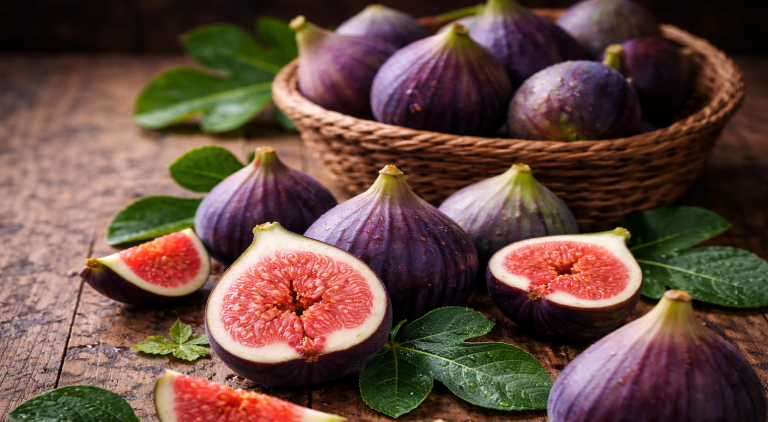
9. Luxurious Figs: Ancient UAE Delicacy

Figs ripen sweetly as vegetables and fruits grown in UAE in winter orchards, a nod to the region’s history.

Nutritional Highlights (per 2 figs):

  • Fiber bomb (5g) for gut health.
  • Calcium (53 mg, 5% DV) and potassium for bones.
  • Polyphenols reduce inflammation.

Figs are among the most calcium-rich fruits available, making them valuable for bone health particularly in populations that do not consume dairy. Their high natural fibre content — including both soluble and insoluble types — supports gut health and regularity. Potassium helps offset sodium’s effects on blood pressure, while magnesium plays a role in muscle function and sleep quality.

Tastes best when you stuff it with nuts or eat it fresh with cheese.

How NRTC Sources Fresh Seasonal Vegetables & Fruits from Local Farmers

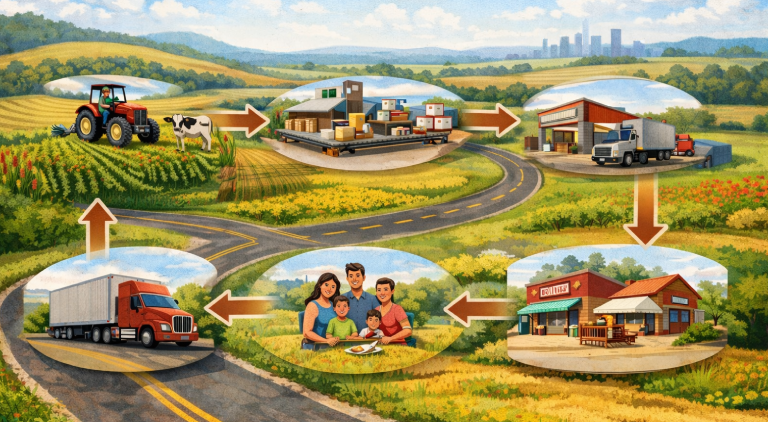
NRTC plays a key role in bringing vegetables and fruits grown in UAE from farm to your plate. We partner directly with local farmers in areas like Al Ain, Sweihan, and Ras Al Khaimah, prioritizing seasonal, sustainably grown produce like the ones listed above.

    • Direct Farmer Partnerships (Mahsool): NRTC works with over 100 UAE farmers, ensuring fair prices and quality checks at harvest.
    • Cold Chain Logistics: Produce is picked at peak ripeness, transported in refrigerated trucks within hours to maintain freshness—no wilting or nutrient loss.
    • Traceability & Sustainability: QR codes on packaging let you track from farm to store; they support water-efficient hydroponics amid UAE’s desert climate.
    • Store Availability: Find these at NRTC outlets across Dubai, Abu Dhabi, and beyond, often within 24 hours of picking.

This farm-to-fork model supports UAE food security while delivering the freshest vegetables and fruits grown in UAE.

Check out our range of products here – https://nrtcgroup.com/our-products/ 


Conclusion: Eat Local, Live Well

The variety and quality of vegetables and fruits grown in the UAE this season are a testament to the ingenuity, dedication, and vision of Emirati farmers, agricultural pioneers and distributors who have transformed desert land into productive, thriving food gardens. 

From the hydrating crunch of a locally grown cucumber to the ancestral sweetness of an Al Ain fig, each item on this list represents not only excellent nutrition but also a living connection to the land of the UAE.

Whether you are managing your health, exploring new flavours, or simply want the freshest possible produce on your table, choosing locally grown vegetables and fruits in the UAE is always the right decision.


Also Read:

Seasonal Fresh Fruits Guide: What’s Ripe Now in the GCC & Egypt – https://nrtcgroup.com/seasonal-fresh-fruits-guide-whats-ripe-now-in-the-gcc-and-egypt/ 
Vegetables & Fruits Grown in UAE During This Season

The Sweet Superfruit You've Been Ignoring

If you’ve been overlooking figs at your local supermarket or dismissing them as something that belongs only in a grandparent’s pantry, you’re missing out on one of nature’s most extraordinary superfruits. The fig — known in Arabic as “At-Teen” (التين) — carries centuries of cultural weight across the Middle East. 

It is mentioned in sacred texts, celebrated in ancient mythology, and prized for its remarkable nutritional density. Today, as the global wellness movement continues to surge, figs are experiencing a well-deserved renaissance. 

In Dubai and the wider GCC region, figs hold a uniquely special place. From the old souks of Deira to the gleaming aisles of premium supermarkets in Jumeirah, fresh and dried figs have found their way into the Emirati kitchen and onto the menus of the city’s world-class restaurants. Yet many residents still underestimate just how powerful this small, soft fruit really is.

In this post, we unravel everything you need to know about figs: what they are, where they grow, their nutritional profile, health benefits, and the best ways to eat them.

What Is a Fig? World’s Oldest Cultivated Fruit

The fig (Ficus carica) is the edible fruit of a deciduous tree or large shrub belonging to the Moraceae family. Native to the Mediterranean region and western Asia, it is one of the oldest cultivated plants in human history, with archaeological evidence tracing its domestication back at least 6,000 years — predating even wheat and barley cultivation in some regions. 

Despite being commonly referred to as a fruit, the fig is technically a syconium: a hollow, fleshy receptacle that contains hundreds of tiny inverted flowers inside it. This unique botanical structure gives the fig its characteristic soft, jammy interior and seed-studded texture. When you bite into a ripe fig, those tiny crunchy bits are not seeds in the conventional sense but rather the plant’s miniature flowers. 

Figs range from the size of a small plum to a large walnut. Their skin can be green, yellow, brown, red, or deep purple depending on the variety, and their interior flesh ranges from pale pink to deep crimson. The flavour of a perfectly ripe fig is unlike any other fruit — an intense, honey-like sweetness with floral and earthy undertones, and a complexity that deepens as the fruit dries. 

There are over 750 recognised varieties of the edible fig. The most commonly consumed worldwide include: 

  • Black Mission – Deep purple-black skin with rich, sweet, almost berry-like flesh. The most widely available commercial variety. 
  • Brown Turkey – Mild and less sweet, with brownish-purple skin. Excellent for cooking and fresh eating alike. 
  • Calimyrna (Lob Injir) – Large, nutty-flavoured figs with greenish-yellow skin, famous in Turkey’s Aegean region. 
  • Kadota – Yellow-green skin with milder sweetness. Often used for canning and preserves. 
  • Adriatic – Light green skin with pink flesh, exceptionally sweet, and often used in fig jam.
  • Lebanese & Syrian varieties – Including Byadi, Barada, and Souadi — prized across the Levant for their complex flavour profiles.

Where Are Figs Grown?

Figs thrive in warm, dry climates with long, hot summers and mild winters — conditions most closely resembling the Mediterranean and the broader Middle Eastern belt. The fig tree is remarkably resilient; it can grow in soil ranging from light sand to heavy clay and even rocky terrain, and it is highly drought-tolerant once established. 

Today, figs are cultivated commercially in approximately 50 countries across six continents. The leading producers account for the vast majority of global output:

  • Turkey
  • Eygpt
  • Morocco, Algeria and Tunisia
  • Iran
  • Lebanon and Syria
  • Brazil
  • Other Countries: Greece, Spain, Saudi Arabia, the United States (California) and Italy

Nutritional Profile Of Figs

Figs may be small, but their nutritional profile is exceptionally impressive. Whether consumed fresh or dried, figs are packed with essential vitamins, minerals, dietary fibre, and a rich array of antioxidants that set them apart from many other fruits.

Nutrient Per 100g (Fresh) Per 100g (Dried)
Calories ~74 kcal ~249 kcal
Carbohydrates ~19 g ~63 g
Dietary Fiber ~2.9 g ~9.8 g
Protein ~0.8 g ~3.3 g
Fat ~0.3 g ~0.9 g
Potassium ~230 mg ~680 mg
Calcium ~35 mg ~162 mg
Magnesium ~17 mg ~68 mg
Iron ~0.4 mg ~2.0 mg
Copper ~0.07 mg ~0.29 mg
Vitamin B6 ~0.11 mg ~0.11 mg
Vitamin K ~4.7 mcg ~15.6 mcg
Vitamin C ~2 mg ~1.2 mg

Health Benefits of Figs: What makes it special

1. Exceptional Digestive Support

Figs have long been used as a traditional remedy for constipation and digestive discomfort across the Middle East, Mediterranean, and South Asia. The scientific evidence supports this folk wisdom. The combination of soluble and insoluble fibre in figs helps to soften and add bulk to stools, promotes regular bowel movements, and feeds the beneficial bacteria in the gut microbiome — functioning as a natural prebiotic.

A clinical study involving 150 people with irritable bowel syndrome with constipation (IBS-C) found that participants who consumed approximately four dried figs (45g) twice daily experienced significant reductions in symptoms, including pain, bloating, and constipation, compared to a control group. Figs also contain digestive enzymes that help the body break down proteins and other macronutrients more efficiently.

2. Cardiovascular Health

Figs may play a meaningful role in protecting the heart. Their high potassium content helps regulate blood pressure by counterbalancing the effects of excess dietary sodium. The significant fibre content of figs helps lower LDL (bad) cholesterol levels while supporting healthy blood lipid profiles overall. Animal and in vitro studies have also found that fig extract may help raise HDL (good) cholesterol and reduce triglycerides.

The antioxidant polyphenols in figs — particularly in darker-skinned varieties like Black Mission — help combat oxidative stress and inflammation, two major drivers of cardiovascular disease. Regular consumption of high-antioxidant foods like figs has been associated with improved markers of cardiovascular health in population studies.

3. Blood Sugar Management

Despite their natural sweetness, fresh figs have a moderate glycaemic index (approximately 35–40 for fresh figs), meaning they cause a more gradual rise in blood sugar than many processed snacks or refined sugars. Their fibre content slows the absorption of sugars into the bloodstream, making them a smarter sweet option for those monitoring their blood glucose.

Research has found that beverages containing high doses of fig fruit extract demonstrated a lower glycaemic index than those without fig extract. 

Additionally, preliminary animal studies suggest that fig extract may help improve glucose tolerance, insulin sensitivity, and fasting blood glucose levels — effects that researchers partly attribute to the presence of abscisic acid in the fruit.

4. Bone Strength and Density

Figs are one of the rare plant foods that provide a meaningful combination of calcium, potassium, and magnesium — three minerals that work synergistically to build and maintain bone density. Studies suggest that a potassium-rich diet can improve bone health and reduce bone turnover, while calcium is essential for the structural integrity of bones. This combination makes figs particularly valuable for those at risk of osteoporosis, including post-menopausal women and older adults.

5. Skin Health and Anti-Ageing

The vitamins A and C in figs, combined with their antioxidant polyphenols, contribute to healthy, radiant skin. Antioxidants help neutralise free radicals that damage skin cells and accelerate ageing. A clinical study involving children with allergic dermatitis found that a cream made from dried fig fruit extract applied twice daily was more effective at treating symptoms than a standard hydrocortisone cream, suggesting meaningful anti-inflammatory properties in the fruit.

Figs also contain vitamin B6 and iron, both of which are important for hair health — B6 supports keratin production, and iron helps carry oxygen to hair follicles, promoting growth and reducing shedding.

6. Weight Management and Satiety

The high fibre content of figs is a significant contributor to feelings of fullness and satiety, helping to naturally reduce overall caloric intake. Research using data from the National Health and Nutrition Examination Survey (NHANES) found that dried fruit consumption was associated with lower body mass index (BMI) and smaller waist circumference in the population studied. Figs’ ability to satisfy sweet cravings while delivering fibre and micronutrients makes them an excellent replacement for processed sweets and desserts.

7. Rich in Antioxidants and Anti-Inflammatory Compounds

Figs are packed with a variety of polyphenols, including quercetin, rutin, chlorogenic acid, and anthocyanins — compounds that have demonstrated significant antioxidant and anti-inflammatory activity in laboratory studies. These compounds help protect cells from oxidative damage, which has been linked to chronic diseases including cancer, cardiovascular disease, and neurodegeneration.

8. Traditional and Emerging Therapeutic Uses

For millennia, fig leaves, fruit, and latex have been used in traditional medicine systems across the Middle East and Mediterranean. Contemporary research has begun to validate some of these traditional uses. Studies on fig leaf extract have suggested potential benefits for blood sugar regulation in type 1 diabetics (one study found that daily fig leaf tea consumption reduced insulin needs by approximately 12%), antibacterial properties, anti-ulcer effects, and liver support. While much of this research remains at the preliminary stage, it points toward a rich pharmacological potential in the fig plant beyond the fruit alone.

Where to Buy Fresh and Dried Figs in Dubai?

NRTC Fresh, is the direct-to-consumer e-commerce platform of the NRTC Group. Available via the website at nrtcfresh.com and through the mobile app, NRTC Fresh offers a curated selection of fresh and dried figs alongside hundreds of other premium produce items. You get same-day delivery across Dubai, with free delivery on orders above AED 80. 

Conclusion: Time to Rediscover the Fig

The fig is one of humanity’s oldest companions — a fruit that has nourished civilisations, inspired sacred texts, and sustained generations of people across the most ancient of trading routes. In Dubai today, it is more accessible than ever, thanks to the sophisticated supply chains, refrigerated logistics, and digital grocery platforms that bring the finest figs from farms across Turkey, Brazil, Egypt, Lebanon, and Morocco to your home within hours.

Whether you reach for a plump, fresh fig sliced over your morning labneh, snack on a handful of dried Turkish figs as a mid-afternoon energy boost, or discover the magic of a fig and halloumi salad at one of Dubai’s acclaimed restaurants, you are tapping into a tradition of nourishment that spans millennia. Rich in fibre, potassium, calcium, antioxidants, and a remarkable range of phytochemicals, the fig is not merely a fruit — it is a wellness powerhouse.

If you are in Dubai, you are in luck! We have spent over 50 years perfecting the art of delivering farm-fresh produce in this extraordinary city — the sweet, nourishing fig has never been easier to bring to your table. 

Order now > https://nrtcfresh.com/categories/fruits/911?page=1

Buy in bulk > https://nrtcgroup.com/contact-us/

s and vegetables is one simple way to invest in your long-term health — naturally.

Organic Fruits and Vegetables in Dubai – Where to Shop

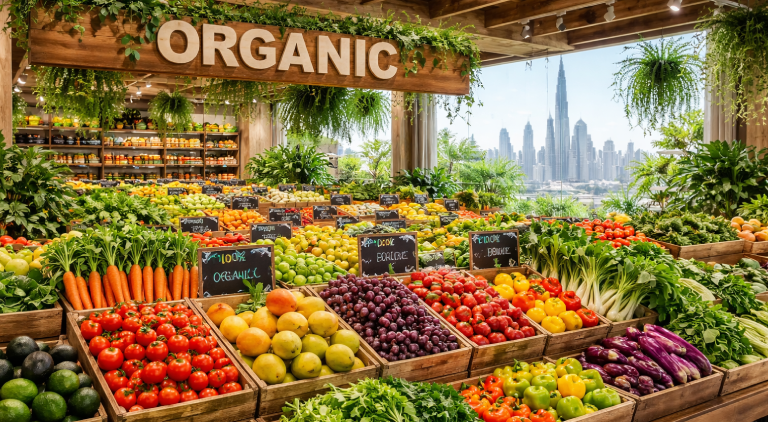
Living in Dubai means craving fresh, vibrant produce amid skyscrapers and endless brunches, but not all fruits and veggies are created equal. 

Organic fruits and vegetables in Dubai stand out as the real game-changer for health nuts and flavor chasers alike, think richer tastes without the chemical aftertaste. Let’s dive into why they’re different, their health perks, that unbeatable taste factor, and where to buy them.

Organic Fruits and Vegetables – How are they different?

Organic fruits and vegetables skip synthetic pesticides, herbicides, and fertilisers, and are grown using natural methods like crop rotation and composting. This results in cleaner produce with diverse soil microbes boosting natural defenses, unlike conventional farming’s chemical-heavy approach that can leave residues. 

In Dubai’s import-driven market, organic certification (like EU Organic or USDA) ensures rigorous standards, often from UAE farms or trusted imports—meaning heirloom tomatoes that burst with flavor, not uniformity bred for shipping. ​

Health Benefits of Switching to Organic Fruits and Vegetables

Switching to organic fruits and vegetables slashes pesticide exposure by up to 30 to 90% (Source: Healthline) reducing risks of inflammation, hormone issues, and long-term conditions like certain cancers. Organic options pack 40% more antioxidants—vitamins C and E, polyphenols (Source: Healthline), helping combat pollution and heat stress for stronger immunity and glowing skin. 

Over time, this switch supports gut health via prebiotics from healthier soils, improving digestion, mood, and even heart health through lower cadmium levels. Families see sustained energy, fewer allergies, and better chronic disease prevention—vital in our fast-paced expat life.

The Taste Factor: Fresher and More Flavorful

Ever bite into a conventional strawberry that’s mostly water? Organic produce tastes superior because natural growing amps up sugars, acids, and volatiles—think juicy mangoes with tropical zing or carrots with earthy sweetness. 

Without chemical interference, flavors develop fully, making salads pop and smoothies sing. ​ In blind tests, people consistently pick organic for taste, and in Dubai’s humid climate, faster farm-to-table chains preserve that crispness longer.

Long-Term Wins for Your Health and Lifestyle

Switching builds resilience: enhanced nutrients fight aging, support weight management, and cut inflammation for longevity. Environmentally, organic farming conserves UAE’s precious water and soil, aligning with sustainable living amid desert challenges. ​

Years in, you’ll notice sharper focus, vibrant energy, and fewer doctor visits—plus, it’s budget-smart as prices drop with local scaling.

NRTC and Ripe Organic: Top Spot to Shop in Dubai

NRTC, Dubai’s fresh produce leader, powers organic fruits and vegetables in Dubai through its subsidiary Ripe Organic—your ultimate one-stop for certified goodies. Shop from our physical farm stores, pop-ups at Ripe Market, or order online for same-day/next-day delivery of crisp kale, sweet berries, and exotic dragon fruit. 

We source our produce directly from trusted local organic farms and carefully selected global partners, ensuring premium quality at affordable prices. With our easy-to-use ordering app and free delivery options, getting fresh organic fruits and vegetables in Dubai is simple and hassle-free. 

Beyond farm-fresh produce, you can also shop for organic dairy and everyday pantry staples, making it effortless for busy Dubai residents to enjoy healthy living without compromising on convenience or quality.

Check out our range of organic fruits and vegetables here – https://nrtcgroup.com/our-products/ 

Quick Tips to Start Shopping Organic

  1. Check labels for certifications and “UAE Organic.” 
  2. Start small: Swap one item weekly, like organic spinach for salads. 
  3. Use apps and marketplaces to get great deals – Start here: https://nrtcfresh.com

Final Thoughts

Healthy eating isn’t about perfection — it’s about better choices. Whether you start with organic leafy greens, seasonal fruits, or a full weekly organic basket, small changes can make a big impact over time. 

In a city that never slows down, choosing organic fruits and vegetables is one simple way to invest in your long-term health — naturally.


Also Read:

Your Guide to Buying Organic Vegetables in Dubai – https://nrtcgroup.com/your-guide-to-buying-organic-vegetables-in-dubai/ 

Mazraati by NRTC: Revolutionizing the UAE’s Farm-to-Fork Supply Chain

A quick overview:

Mazraati is NRTC’s first-of-its-kind digital platform, connecting farmers, packhouses, logistics partners, and buyers in one seamless ecosystem — set to truly revolutionize UAE’s Farm-to-Fork supply chain.


Picture a tomato. It starts its life on a farm in the UAE, gets picked, sorted, boxed, loaded onto a truck, moved through a warehouse, and finally lands on a supermarket shelf or in a restaurant kitchen. Simple enough on paper. But in reality, that journey has long been riddled with blind spots — missing data, temperature fluctuations, manual errors, and a frustrating lack of accountability at every handoff. 

Fresh produce gets lost, degraded, or wasted, and nobody knows exactly where things went wrong. That’s the problem we set out to fix with the launch of Mazraati.

What Is Mazraati?

Unveiled at Gulfood Green 2026, Mazraati — Arabic for “my farm” — is a first-of-its-kind Farm-to-Fork digital platform developed by NRTC in partnership with Etheral IT Solutions. 

At its core, it’s a single, unified digital ecosystem that connects every stakeholder in the fresh-food value chain: farmers, packhouses, quality-control teams, cold-chain logistics providers, warehouses, and end buyers. 

The ambition behind it is straightforward but powerful: give everyone in the chain real-time visibility from the moment produce is harvested to the moment it’s delivered. No more guesswork. No more manual paperwork slowing things down. No more unexplained losses.

A Problem, Decades in the Making

The UAE’s agri-food supply chain has historically been fragmented. Farms, packhouses, logistics companies, and buyers have each operated in their own silos, with limited visibility into what’s happening at the next step. The result? Quality losses, food waste, and inefficiency at scale — all happening quietly, and often repeatedly, because there was no system to catch it. 

Mohammed Alrifai, Group CEO of NRTC, put it plainly: “For decades, the Farm-to-Fork model in the region has been constrained by fragmented systems and limited traceability. Mazraati directly addresses these gaps by digitizing the entire journey of produce, starting at the farm and extending through logistics, quality control, and delivery.

It’s a problem that might sound technical, but its consequences are deeply human — farmers who don’t get fairly compensated because quality disputes can’t be resolved with data, restaurants that struggle to plan menus because they can’t predict stock quality, and consumers who end up with produce that’s past its prime. 

Mazraati is built to address all of it – consistently and coherently.

How It Works and Why It’s Different?

Mazraati isn’t just an app — it’s an operational backbone. The platform automates vehicle routing and crate movement, monitors temperature in real time, and manages packhouse receiving through QR-based verification. 

When produce is inspected, AI-supported quality grading is applied on the spot, meaning quality decisions are consistent, traceable, and data-backed rather than left to the judgment of any one individual. Transit losses are digitally recorded, creating a clear and honest picture of where things go wrong. 

What makes Mazraati particularly thoughtful is how it’s been designed to serve everyone in the chain, not just one party. Farmers gain digital visibility into the quantities they’ve supplied, the quality grades assigned to their produce, and QC outcomes — along with payment tracking that builds trust and removes disputes. Logistics partners benefit from automated route planning, real-time monitoring, and crate-level traceability that makes loss prevention actionable. 

And finally, the buyers get early visibility into incoming stock quality and quantities, which transforms how they plan demand and set prices.

The Bigger Picture: Food Security and Sustainability

For a country like the UAE — which imports a significant portion of its food and has made food security a national priority — a platform like Mazraati carries strategic weight beyond supply-chain efficiency. 

By strengthening local farm networks and providing the infrastructure to scale them, NRTC is building the kind of resilient, transparent food system that the UAE’s long-term food security goals require. 

The platform also captures ESG data at the farm level — tracking environmental and social performance metrics that can support sustainability reporting and responsible sourcing decisions. In a region where corporate sustainability commitments are increasingly scrutinized, this kind of built-in measurement is not a nice-to-have; it’s becoming essential. 

We plan to onboard more than 260 farmers onto the platform by 2027, building on its growing network of local farm acquisitions — including Ripe Organic, Mahsool, and other UAE-based production ventures. The breadth of the NRTC ecosystem, which includes entities like Mirak, Al Hashemeya Farms, and Taaza, gives Mazraati a real-world testing ground at a scale that few platforms ever get at launch.

The Road Ahead

The UAE has made remarkable strides in food technology, vertical farming, and agri-innovation over the past decade. But the supply chain connecting local producers to local consumers has often been the weakest link — and the one that’s hardest to fix, because it involves so many different parties with different interests and different systems.

In essence, Mazraati is not just digitizing workflows — it’s redefining how food is cultivated, tracked, distributed, and delivered across the UAE, marking a new era in smart, data-driven agriculture and sustainable supply-chain innovation.


Also Read:

NRTC Group Strengthens Organic Food Leadership with Acquisition of Ripe Organic – https://nrtcgroup.com/nrtc-group-strengthens-organic-food-leadership-with-acquisition-of-ripe-organic/ 

Seasonal Fresh Fruits Guide: What’s Ripe Now in the GCC & Egypt

The UAE’s climate creates ideal conditions for enjoying premium fresh fruits and seasonal fruits at their peak. Fresh, locally available seasonal produce offers superior flavor, nutritional value, and cost-effectiveness compared to imported alternatives. Whether you are in Saudi Arabia, Kuwait, the UAE, Qatar, Bahrain, or Oman, timing your buys right means peak ripeness and minimal imports.

So, why Go Seasonal for Fresh Fruits in the GCC & Egypt region? Eating seasonal fresh fruits isn’t just about taste—though that’s definitely a bonus. It’s actually a smart choice for your wallet and your health.

When you buy fruits that are in season, you’re getting produce that hasn’t travelled halfway around the world to reach your table. This means fewer food miles, which is better for the environment. Plus, you’ll notice the savings—seasonal fruits typically cost 20-30% less than their out-of-season counterparts.

But here’s the real treat: the flavor. Seasonal fruits picked at peak ripeness have that perfect crunch, natural sweetness, and juiciness that imported, early-picked fruits just can’t match. You’ll taste the difference in every bite.

Winter in the region (December through February) is when citrus season really hits its stride, along with other cool-weather favorites.

What’s Ripe Now In GCC & Egypt: January Fresh Fruits Edition

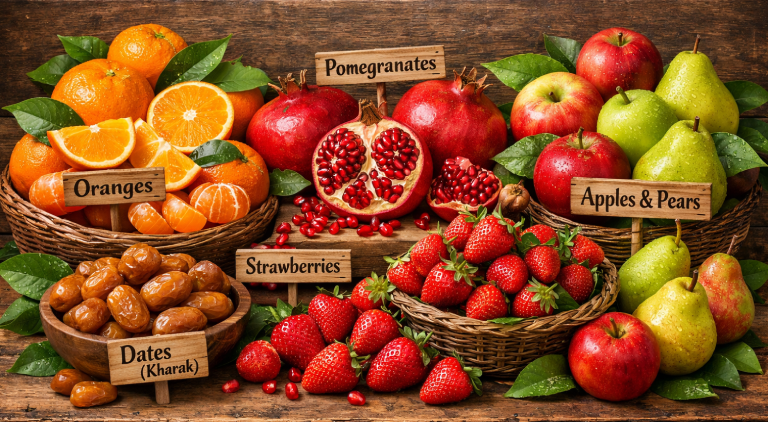
1. Oranges and Mandarins: 

Oranges edge out in vitamin C and fiber, aiding heart health and skin vitality, while mandarins deliver more vitamin A for eye health. Both promote hydration with high water content and antioxidants that fight inflammation.

Both fruits deliver folate for cell health, calcium for bones (55mg in oranges), and flavonoids like hesperidin that fight inflammation. Their low calories (47-53 per 100g) and high water content promote hydration and satiety.

Daily intake lowers cholesterol, stabilizes blood sugar, and reduces chronic disease risk through citric acid, which prevents kidney stones.

Check out the ‘Top 5 Citrus Fruits To Eat In UAE

2. Pomegranates: 

Those gorgeous ruby-red seeds aren’t just beautiful; they’re packed with antioxidants. Al Ain farms produce some wonderful pomegranates right now. Toss the seeds into your salads for a sweet-tart crunch.

High in folate (38µg, 10% DV), vitamin K (16µg, 14% DV), and copper (0.2mg, 18% DV), pomegranates aid blood cell formation, bone health, and iron absorption. Their fiber promotes digestive regularity and satiety.

Check out the ‘Top health benefits of Pomegranate

3. Strawberries: 

January brings sweet strawberries from Jordan at their absolute best. If you’re looking to support local sustainability, check out the hydroponically grown UAE strawberries too—they’re fresh, delicious, and have a much smaller carbon footprint.

Regular consumption combats oxidative stress, reduces inflammation linked to chronic diseases, and supports heart health by lowering LDL cholesterol. Studies associate strawberries with improved blood sugar control and brain function due to their polyphenol content.

Check out our article ‘Strawberry – A sweet, super fruit

4. Dates (Kharak variety): 

Kharak dates, also known as dry or black dry dates (Chuara), are nutrient-dense dried fruits from the date palm, prized for their sweet chewiness and health benefits. Rich in B vitamins (like B6 at 15% DV), copper (40% DV), and antioxidants such as polyphenols, Kharak dates support bone strength with calcium and magnesium while aiding heart health by regulating blood pressure. 

Consuming 2-4 pieces daily, ideally soaked overnight, provides sustained energy without spiking blood sugar (GI 43-55) and enhances immunity with selenium. These dates combat fatigue, improve stamina, and act as a natural winter warmer due to their body-heating properties.

5. Apples and Pears: 

Crisp apples and pears are at their prime right now. Try pairing them with some local yogurt for a simple, satisfying snack.

Apples provide 2.4g fiber, 14% DV vitamin C, and quercetin to fight inflammation per 100g, while pears offer 3.1g fiber (higher soluble type), more copper and folate, and vitamin K for blood clotting. Pears edge in minerals like iron and magnesium.

Daily consumption lowers cholesterol, aids weight control, and reduces chronic disease risk—pears excel for gut regularity, apples for lung health. Their polyphenols support brain function and skin vitality.

Insider Tip: Want seasonal fresh fruits and the best prices? Head to markets like Dubai’s Fruit & Veg Souq early in the morning (OR) order from NRTC Fresh. You’ll find the best selection and quality.

NRTC: From Farm to Your Plate with Unmatched Freshness

NRTC sources the finest fresh fruits and seasonal fruits straight from trusted UAE, GCC, and Egypt farmers, ensuring a seamless journey from harvest to your plate without compromising freshness or quality.

With cutting-edge cold-chain logistics, real-time tracking, and direct farmer partnerships, NRTC delivers peak-ripe produce—like winter citrus and strawberries—at wholesale prices for businesses and homes. Our commitment to minimal handling and sustainable practices means every bite bursts with flavor and nutrition, making us your reliable partner in the UAE’s vibrant fruit scene.

Your Guide to Buying Organic Vegetables in Dubai

Your Guide to Buying Organic Vegetables in Dubai

Your Guide to Buying Organic Vegetables in Dubai

If you’ve walked through any supermarket in Dubai lately, you’ve probably noticed the growing sections dedicated to organic produce. The shelves are packed with vibrant greens, colorful peppers, and root vegetables, all bearing that coveted “organic” label. 

But what does it actually mean when we talk about organic vegetables in Dubai? And more importantly, is the rising demand for organic vegetables, popularity amongst the nutritionists, and the premium price tag really worth it?

This detailed post covers what makes organic vegetables stand out, their advantages over conventional options, key differences in production, tips for spotting authentic ones, and a spotlight on sourcing excellence from NRTC Group.

What Exactly Are Organic Vegetables?

Here’s the thing about organic vegetables: they’re not a different species or some genetically modified superfood. They’re regular vegetables grown using methods that work with nature rather than against it. Think of it as farming the way your great-grandparents might have done it, but with modern knowledge and certification standards. 

Organic farming means growing vegetables without synthetic pesticides, chemical fertilizers, or genetically modified organisms (GMOs). Instead, farmers use natural compost, crop rotation, and biological pest control to nurture their crops. It’s a more hands-on, time-intensive process that requires patience and expertise. 

In Dubai and around the UAE, where extreme heat and sandy soil pose unique challenges, organic farming requires even greater dedication. Farmers here have mastered techniques like controlled greenhouse environments and innovative irrigation systems to produce quality organic vegetables year-round.

How Vegetables Are Certified Organic In UAE?

In the UAE, organic certification is governed by standards set by local authorities and international bodies. For vegetables to be classified as organic, farms must follow strict guidelines for at least three years before their first harvest can be certified. This transition period ensures that the soil is free from prohibited substances and that the farming system is truly organic. 

Certification bodies conduct regular inspections of farms, examining everything from soil health to water sources, seed origins to pest management practices. Farmers maintain detailed records of every input used on their crops. It’s like a paper trail that proves every tomato and cucumber was grown according to organic standards. 

Organic certification in the UAE ensures vegetables meet strict standards for chemical-free farming and sustainability. The Emirates Authority for Standardization and Metrology (ESMA), now part of the Ministry of Industry and Advanced Technology (MoIAT), oversees the national organic program via the ESMA Organic UAE label.

Organic Vegetables vs Regular Vegetables

Beyond the farming methods, there are tangible differences you can observe between organic and conventional vegetables. Some of them include: 

1. Growing Methods: 

Conventional farms rely heavily on synthetic fertilizers to boost growth quickly. Organic farms build healthy soil using compost, manure, and natural amendments. This creates a living ecosystem beneath the surface where beneficial microorganisms thrive. 

2. Pest Management: 

While conventional farmers might spray synthetic pesticides at the first sign of bugs, organic farmers use companion planting, beneficial insects like ladybugs, and natural deterrents. It’s a chess game with nature rather than an all-out chemical war. 

3. Appearance: 

Here’s something interesting: organic vegetables often look more “real.” They might not be perfectly uniform in size or color. You might find a slightly oddly shaped zucchini or a tomato with minor blemishes. That’s not a flaw, it’s authenticity. Conventional produce is often bred and treated for appearance above all else. 

4. Shelf Life: 

Organic vegetables typically have a shorter shelf life because they’re not treated with preservatives or waxes. That cucumber will start to soften faster, which actually tells you it’s fresh and natural. 

5. Price: 

Let’s not dance around it. organic vegetables cost more. In Dubai, you might pay 20-30% more than conventional produce. But consider what you’re paying for: cleaner farming practices, better working conditions for farmers, environmental stewardship, and potentially better nutrition.

How to Spot Genuine Organic Vegetables in Dubai?

With the growing demand for organic produce, knowing how to identify the real deal is essential. Here’s your practical guide: 

1. Look for Certification Labels:

This is your first line of defense. Genuine organic vegetables will have certification logos clearly displayed. Look for USDA Organic, EU Organic leaf, Soil Association, or local UAE organic certifications. These aren’t just stickers; they represent verified farming practices. 

2. Examine the Appearance:

Remember what I said about organic vegetables looking more natural? They shouldn’t be waxed to a glossy shine or perfectly identical to each other. Some variation in size and color is normal and actually a good sign. 

3. Know Your Source:

In Dubai, buying from reputable suppliers makes all the difference. Established organic retailers and farmers’ markets are your best bet. Ask questions: Where was this grown? Who certified it? How long has the farm been organic? 

4. Read the Packaging:

If vegetables come pre-packaged, read the label carefully. It should clearly state “certified organic” along with the certifying body. Vague terms like “natural” or “pesticide-free” don’t mean organic unless there’s proper certification. 

5. Trust Your Senses:

Organic vegetables often have a stronger, more authentic aroma. Fresh organic herbs, for instance, should smell intensely fragrant. The texture should feel natural, not coated or artificially enhanced.

NRTC: From Farm to Your Plate with Unmatched Freshness

NRTC sources the finest fresh fruits and seasonal fruits straight from trusted UAE and GCC farmers, ensuring a seamless journey from harvest to your plate without compromising freshness or quality. 

With cutting-edge cold-chain logistics, real-time tracking, and direct farmer partnerships, NRTC delivers peak-ripe produce—like winter citrus and strawberries—at wholesale prices for businesses and homes. Our commitment to minimal handling and sustainable practices means every bite bursts with flavor and nutrition, making us your reliable partner in the UAE’s vibrant fruit scene.

Our Final Thoughts

If you’re convinced about organic vegetables but wondering how to make the transition, here’s our practical advice: Start small. 

You don’t need to overhaul your entire grocery list overnight. Begin with the “Dirty Dozen” vegetables that typically have the highest pesticide residues when grown conventionally: spinach, bell peppers, tomatoes, and cucumbers are good starting points. 

Shop smart during sale seasons. Many retailers offer promotions on organic produce. Stock up on items that store well or can be frozen. Connect with the organic community in Dubai. 

If you are looking for organic vegetables in Dubai, there are farmers’ markets, organic food groups on social media or order from trusted retailers like NRTC Fresh or for bulk B2B orders, get in touch with us.

5 Exotic Fruits in UAE That You Should Try

5 Exotic Fruits in UAE That You Should Try

5 Exotic Fruits in UAE That You Should Try

The UAE’s thriving fresh produce market has become a paradise for fruit enthusiasts. Whether you’re a health-conscious foodie or simply curious about trying something new, these five exotic fruits are making waves in local supermarkets and speciality stores or on NRTC Fresh across Dubai, Abu Dhabi, and beyond.

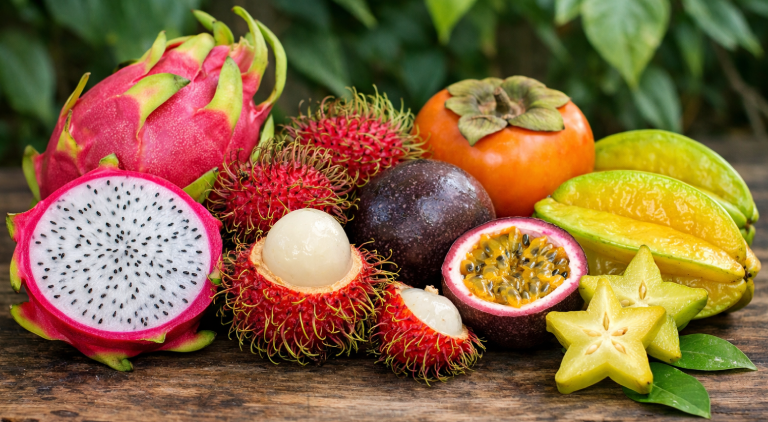
1. Dragon Fruit (Pitaya)

With its vibrant pink skin and speckled white or magenta flesh, dragon fruit looks like something straight out of a fantasy novel. But don’t let its exotic appearance intimidate you—this tropical beauty has a subtle, mildly sweet taste that’s refreshing on hot UAE days.

Nutritional Benefits: Dragon fruit is packed with vitamin C, fiber, and antioxidants that support immune health and digestion. It’s also incredibly low in calories (just 60 calories per 100g), making it perfect for anyone watching their weight. The black seeds contain omega-3 and omega-9 fatty acids that promote heart health.

2. Rambutan

Think of rambutan as lychee’s quirky cousin. This Southeast Asian gem is covered in soft, hair-like spines (its name literally means “hairy” in Malay) and reveals translucent, sweet flesh once you crack it open. The taste? Imagine a grape with floral notes and a hint of tropical sweetness.

Nutritional Benefits: Rambutans are rich in vitamin C, copper, and manganese. A single serving provides nearly 40% of your daily vitamin C needs, boosting collagen production and skin health. The fruit also contains iron for improved blood circulation and small amounts of calcium for bone strength.

3. Passion Fruit

Passion fruit might be small, but it delivers a powerful punch of tangy, tropical flavor. Cut one open, and you’ll find golden, jelly-like pulp filled with edible seeds that pop in your mouth. It’s tart, it’s sweet, and it’s absolutely addictive.

Nutritional Benefits: This little powerhouse is loaded with vitamin A, vitamin C, and dietary fiber. The high fiber content (about 2g per fruit) aids digestion and keeps you feeling full longer. Passion fruit also contains beneficial plant compounds called polyphenols, which have anti-inflammatory properties and support heart health.

4. Persimmon

Often overlooked, persimmons are autumn’s hidden treasure. These glossy orange fruits look like tomatoes but taste like a blend of mango, apricot, and honey. The Fuyu variety (the flat, squat one) can be eaten crisp like an apple, while Hachiya persimmons are best enjoyed when soft and jam-like.

Nutritional Benefits: Persimmons are an excellent source of vitamins A and C, with one medium fruit providing over 50% of your daily vitamin A needs—crucial for eye health and immune function. They’re also rich in antioxidants like beta-carotene and lutein, plus minerals such as potassium and manganese that support metabolism and bone health.

5. Starfruit (Carambola)

Slice a starfruit crosswise and you’ll instantly see how it got its name—each piece forms a perfect five-pointed star. This waxy, yellow-green fruit has a crisp texture similar to a grape and a flavor that’s been described as a cross between apple, pear, and citrus.

Nutritional Benefits: Starfruit is exceptionally low in calories (only 31 per 100g) but high in vitamin C and fiber. It contains powerful antioxidants including quercetin and gallic acid, which combat inflammation and oxidative stress. The fruit is also a good source of copper, which helps maintain healthy blood vessels and nerves.

Ready to Try?

The UAE’s diverse food scene means you don’t have to travel far to taste the world’s most interesting fruits. Next time you’re at the grocery store, skip the usual suspects and reach for something exotic or try NRTC Fresh now. Your taste buds—and your body—will thank you.

These fruits aren’t just Instagram-worthy; they’re nutritional powerhouses that can add variety, flavor, and essential vitamins to your daily diet. So go ahead, embrace your adventurous side, and discover your new favorite fruit today.

Sustainable Farming In UAE: How is NRTC Revolutionizing It?

Sustainable Farming In UAE: How is NRTC Revolutionizing It?

Sustainable Farming In UAE: How is NRTC Revolutionizing It?

In a region where water scarcity and extreme climate conditions pose significant challenges to agriculture, we are rewriting the narrative of sustainable farming using state-of-the-art farms in Egypt’s Wadi El Natrun to tables across the UAE and beyond. 

With over five decades of experience in the fresh produce industry, we are bringing the innovation and environmental stewardship to go hand in hand while creating a more food-secure future for the Middle East with every piece of produce that represents our dedication to excellence, sustainability and food security for generations to come.

A New Chapter in Regional Food Security

Our commitment to sustainable agriculture reached a milestone with the recent acquisition of Al Hashemeya Farms in Egypt’s Wadi El Natrun region. This strategic expansion represents far more than just increased production capacity—it’s a testament to the company’s vision of delivering farm-fresh produce directly from field to table while maintaining the highest standards of environmental responsibility.

Spanning over 10,000 acres of fertile farmland, this state-of-the-art facility has transformed the landscape of regional agriculture. The farm cultivates an impressive 1.8 million fruit trees and produces thousands of tonnes of yield annually, growing more than diverse crop varieties that meet the evolving demands of consumers across the UAE and beyond.

Where Innovation Meets Nature

At the heart of our revolutionary approach is the seamless integration of cutting-edge technology with time-tested agricultural wisdom. We pride in sustainable farming by implementing practices that not only boost productivity but also protect the environment for future generations. Some of the best practices we follow include:

1. Solar-Powered Irrigation: Energy-Efficient Water Management

Water conservation is paramount in the arid climate of the Middle East, and we have addressed this challenge head-on with solar-powered irrigation systems. By harnessing the abundant sunshine that characterizes the region, the company has created an energy-efficient water management system that reduces reliance on conventional power sources while ensuring optimal hydration for crops.

This innovative approach serves a dual purpose: it significantly reduces the carbon footprint of farming operations while maximizing water efficiency—a critical consideration in an area where every drop counts. The solar infrastructure transforms a natural resource into a sustainable power source, creating a closed-loop system that exemplifies modern agricultural best practices.

2. Precision Farming: Growing Smarter, Not Harder

We employ precision farming techniques that leverage data analytics, sensors, and advanced monitoring systems to optimize every aspect of crop production. This scientific approach allows farmers to make informed decisions about irrigation schedules, fertilizer application, and pest management, minimizing waste and maximizing yield quality.

Center pivot irrigation systems—visible throughout the farm’s expansive acreage—ensure uniform water distribution while conserving resources. This technology represents the marriage of efficiency and effectiveness, delivering the right amount of water exactly where and when it’s needed.

3. Advanced Farming Techniques: Setting Industry Standards

NRTC’s commitment to innovation extends to its machinery and harvesting methods. The farm boasts the only olive harvester in Egypt, a specialized piece of equipment that revolutionizes the olive collection process. This advanced harvesting technology ensures fruit integrity while significantly reducing labor requirements and harvest time, demonstrating how mechanization can enhance both productivity and produce quality.

Our Sustainable Practices That Make a Difference

1. Eco-Friendly Farming Philosophy

Sustainability at NRTC isn’t just a buzzword—it’s embedded in every operational decision. Our eco-friendly practices encompass soil health management, integrated pest management systems, and biodiversity conservation efforts that protect the delicate ecosystems surrounding agricultural operations.

By prioritizing organic and sustainable growing methods, we ensure that produce is not only fresh and nutritious but also free from harmful chemicals and pesticides. This commitment resonates with health-conscious consumers who increasingly demand transparency about how their food is grown.

2. Strengthening the Supply Chain

The integration of Al Hashemeya Farms into NRTC’s operations has created a more resilient and efficient supply chain. By controlling production from seed to shelf, we can guarantee freshness, maintain quality standards, and reduce the environmental impact associated with long-distance transportation.

This vertical integration also enhances regional food security—a critical consideration for the UAE and neighboring countries importing significant portions of their fresh produce. By establishing robust agricultural operations within the region, we contribute to greater self-sufficiency and reduce vulnerability to global supply chain disruptions.

3. Trusted Partnerships: Collaboration Driving Sustainable Growth

We recognize that sustainable agriculture requires collaboration across the entire value chain. That’s why we have built trusted partnerships with suppliers, distributors, retailers, and consumers, creating an ecosystem that supports sustainable practices at every level.

These relationships extend beyond mere business transactions — it represents a shared commitment to environmental stewardship, quality assurance, and the advancement of agricultural innovation throughout the region.

A Bounty of Premium Produce

The diverse range of crops cultivated at our farms reflects both the versatility of their agricultural approach and the sophistication of their growing systems. Some of them include:

  • Mangoes: Multiple varieties including Crimson, Keitt, and Naomi, each cultivated to achieve optimal sweetness and texture.
  • Dates: Traditional Barhi date palms that connect the farm to the region’s agricultural heritage while meeting modern quality standards.
  • Citrus: An extensive citrus program featuring Adalia lemons, grapefruits, and various mandarin varieties including Mikhal and Morcket, as well as Valencia oranges renowned for their juice quality.
  • Olives: Specialized varieties such as Arbequina and Arbosana, grown using advanced cultivation techniques and harvested with cutting-edge equipment.
  • Grapes: Both green and red grape varieties that demonstrate the farm’s ability to produce delicate fruits in challenging climatic conditions.

This diversity not only meets varied consumer preferences but also promotes crop rotation and soil health—fundamental principles of sustainable agriculture.

The NRTC Difference: 53 Years of Excellence

What sets us apart in the competitive landscape of agricultural production is our unwavering commitment to quality, sustainability, and innovation. With 53 years of experience in the fresh produce industry, we have developed an unparalleled understanding of what it takes to grow premium crops while respecting environmental boundaries.

From farm to table, across borders and beyond, our operations demonstrate that commercial success and environmental responsibility are not mutually exclusive. Instead, they’re complementary forces that drive long-term value creation for all stakeholders — from farmers and employees to consumers and communities.

Our final take on sustainable farming in UAE

As climate change intensifies and global food security becomes an increasingly pressing concern, the agricultural innovations pioneered by our farms offer a roadmap for the future. Our approach will prove that with the right combination of technology, expertise, and commitment, it’s possible to produce abundant, high-quality food while minimizing environmental impact.

Our continued investment in sustainable practices, renewable energy and precision agriculture signals our intention to remain at the forefront of agricultural innovation. As we expand our operations and refine the methods, we will not just be growing crops — our ambition steers towards building a more sustainable future for the entire region.

Sustainability & Food Security In The UAE

Sustainability & Food Security In The UAE

Sustainability & Food Security In The UAE

Sustainability and food security are essential priorities for the UAE. The country is facing a growing population, an expanding tourism sector, and a rising food service industry. With limited farmland, scarce water resources, and a heavy reliance on food imports, ensuring a steady, safe, and sustainable food supply is both a national challenge and a strategic goal.

Food sourcing and distribution companies are crucial for strengthening the UAE’s food system. Companies like NRTC Group adopt responsible sourcing practices, efficient logistics, and sustainable partnerships, which significantly contribute to long-term food security and environmental health.

Understanding Food Security in the UAE

Food security means a nation can provide consistent access to enough, safe, and nutritious food for its people. 

In the UAE, several key factors influence food security:

  • Limited domestic agricultural production
  • Dependence on global food supply chains
  • Climate challenges like water shortages and high temperatures
  • Rapid population growth & urbanization further complicate this issue.

To tackle these challenges, the UAE has put long-term strategies in place. These focus on making supply chains more resilient, diversifying sources, cutting down on food waste, and encouraging sustainable practices.

The Role of Sustainability in Food Security

Sustainability and food security are closely linked. A sustainable food system meets today’s food needs without jeopardizing future generations’ access to safe and nutritious food.

Key sustainability principles include:

  • Responsible sourcing
  • Efficient use of resources
  • Reducing food loss and waste
  • Environmentally friendly logistics
  • Ethical and transparent supply chains

For food sourcing companies, sustainability is essential for long-term stability and trust.

How Food Sourcing Companies Contribute to Food Security

Food sourcing and distribution companies connect global producers with local markets. Their work includes more than just procurement; they help stabilize supply, maintain quality, and lessen disruptions.

1. Diversified Global Sourcing

By sourcing fresh produce and food products from different countries and regions, companies reduce reliance on any single market. This diversification protects the UAE from supply shortages caused by climate events, geopolitical issues, or logistical problems.

NRTC Group uses a strong global sourcing network to ensure year-round availability of fresh produce while maintaining quality.

2. Supporting Sustainable Farming Practices

Partnering with farms that embrace sustainable and ethical agricultural methods helps preserve soil health, water resources, and biodiversity. Sustainable farming also enhances crop resilience and productivity over time.

Food sourcing companies can encourage sustainability by:

  • Working with certified growers
  • Promoting responsible water use
  • Supporting eco-friendly farming techniques

3. Efficient Cold Chain and Logistics Management

One major challenge in food security is food loss during transportation and storage. Effective cold-chain systems are critical for keeping food fresh, extending its shelf life, and minimizing waste.

By investing in temperature-controlled storage and transport, companies like NRTC Group help ensure food reaches the market safely and promptly.

4. Reducing Food Waste Across the Supply Chain

Food waste directly impacts sustainability and food security. Sourcing companies can lessen waste through:

  • Accurate demand forecasting
  • Optimized inventory management
  • Better packaging and handling
  • Timely distribution to customers

Minimizing waste saves resources and enhances supply efficiency and affordability.

5. Ensuring Food Safety and Quality Standards

Food security isn’t just about availability; it’s also about safety and quality. Strong quality control systems, traceability, and adherence to international safety standards are crucial.

Food sourcing companies ensure:

  • Consistent product quality
  • Compliance with UAE regulations
  • Transparency and traceability from farm to market

This builds trust among retailers, food service providers, and consumers.

NRTC Group’s Contribution to Sustainability and Food Security

As a leading fresh produce sourcing and distribution company in the UAE, NRTC Group plays an important role in bolstering the country’s food supply chain.

Key Contributions Include:

  • Global sourcing from reliable and responsible growers
  • Long-term partnerships with farms and suppliers
  • Investment in cold storage and logistics infrastructure
  • Strong quality assurance and food safety measures
  • Support for organic and sustainably grown produce

By aligning its operations with sustainability goals, NRTC Group helps ensure consistent food availability while reducing environmental impact.

Supporting the UAE’s Vision for a Sustainable Food System

The UAE’s emphasis on food security highlights the importance of innovation, collaboration, and sustainability. Food sourcing companies are vital partners in reaching these goals by linking global supply with local demand responsibly and efficiently.

Through strategic sourcing, sustainable practices, and reliable distribution, companies like NRTC Group contribute to:

  • Stable food availability
  • Reduced environmental impact
  • Greater resilience to global supply disruptions

Conclusion

Sustainability and food security are essential for the UAE’s long-term growth and resilience. As food demand continues to rise, creating a reliable, efficient, and sustainable supply chain is crucial.

Food sourcing companies play an important role in this effort. Through responsible sourcing, effective logistics, waste reduction, and solid quality standards, NRTC Group helps ensure a secure and sustainable food future for the UAE, benefiting businesses, communities, and the environment.

NRTC Group Strengthens Organic Food Leadership with Acquisition of Ripe Organic

NRTC Group Strengthens Organic Food Leadership with Acquisition of Ripe Organic

NRTC Group Strengthens Organic Food Leadership with Acquisition of Ripe Organic

NRTC Group, a leading player in fresh produce sourcing, distribution, and farm-to-fork operations in the UAE and surrounding region, has announced its acquisition of Ripe Organic.

This homegrown organic food brand is recognized for its clean-label products and strong trust among consumers.

This acquisition is a major step in NRTC Group’s long-term growth plan. It will expand its presence in the growing organic and sustainable food market. 

It also reinforces the company’s commitment to food security, support for local agriculture, and high-quality products in retail, B2B, and e-commerce channels. 

Expanding the Organic Footprint in the UAE

As part of the agreement, NRTC Group has acquired the Ripe Organic brand along with its product range, trademark, and e-commerce assets. This integration allows NRTC to reach into the fast-growing organic and clean-label market. This segment is fueled by increasing demand for healthier, traceable, and sustainably sourced food.

With this acquisition, NRTC will work with over multiple local organic farms throughout the UAE. This effort strengthens its farm-to-fork network and provides a wider variety of organic fruits, vegetables, and grocery items to consumers while ensuring quality and traceability.

Enhancing Consumer Experience and Digital Reach

A central focus of the acquisition is to improve Ripe Organic’s digital and e-commerce capabilities. NRTC plans to upgrade the existing platform to provide:

  • Better user experience
  • Quicker fulfillment and delivery
  • Improved logistics integration
  • More home-delivery options

These upgrades aim to give customers in the UAE easy access to organic products, whether shopping online or through expanding retail networks.

Supporting Local Farms and Food Security

This acquisition also supports the UAE’s broader Food Security Strategy 2051, which emphasizes the need for resilient, sustainable, and diverse food supply chains. By enhancing relationships with local organic farms and incorporating them into NRTC’s logistics and distribution system, the Group helps boost agricultural collaboration and ensures long-term supply stability. 

Farmers will benefit from better demand planning, increased market access, and lasting commercial relationships. Retailers, HORECA partners, and digital commerce platforms will gain access to consistent quality standards and a larger selection of certified organic products.

Innovation and Future Growth

The acquisition opens up significant opportunities for innovation in the organic sector for NRTC Group. Future plans include:

  • Expanding organic fruits, vegetables, and grocery lines
  • Offering curated health boxes focused on wellness
  • Introducing subscription models for regular deliveries
  • Providing enhanced clean-label options to meet modern consumer preferences

These initiatives show NRTC Group’s goal to be at the forefront of changing food trends while also promoting sustainability, quality, and convenience for customers in the UAE and beyond.

A Win-Win for Consumers and the Ecosystem

For over a decade, Ripe Organic has promoted clean, sustainable, and healthy food choices for consumers in the UAE. Joining NRTC Group enables the brand to further this mission with enhanced operational scale, strong supply chain support, and bigger distribution reach.

From farm partnerships and digital commerce to retail and hospitality channels, this acquisition provides a complete upgrade in how organic products are sourced, delivered, and enjoyed. This change will benefit consumers, local farmers, and industry partners alike.

Looking Ahead

As NRTC Group brings Ripe Organic into its broader portfolio, the Group continues its commitment to sustainability, food resilience, and leadership in fresh and organic food markets. This strategic move not only meets consumer demand for healthier options but also strengthens the UAE’s food ecosystem, connecting commercial growth with national goals for a resilient and future-ready food system.