A Closer Look at NRTC Farm in Al Hashemeya, Egypt

A Closer Look at NRTC Farm in Al Hashemeya, Egypt

A Closer Look at NRTC Farm in Al Hashemeya, Egypt

A closer look at NRTC Group’s strategic agricultural hub

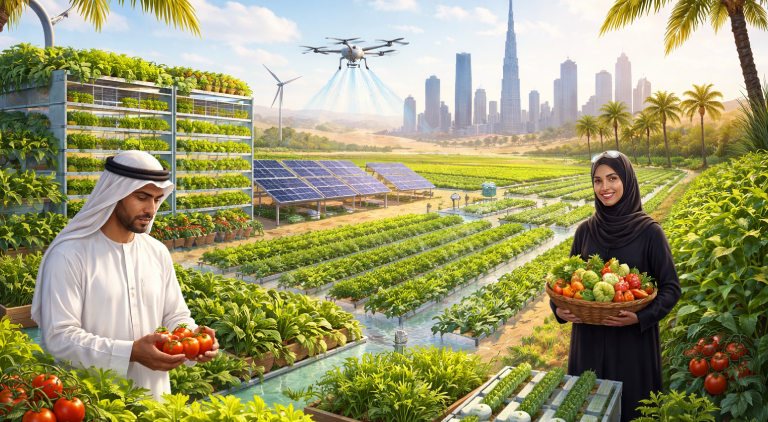
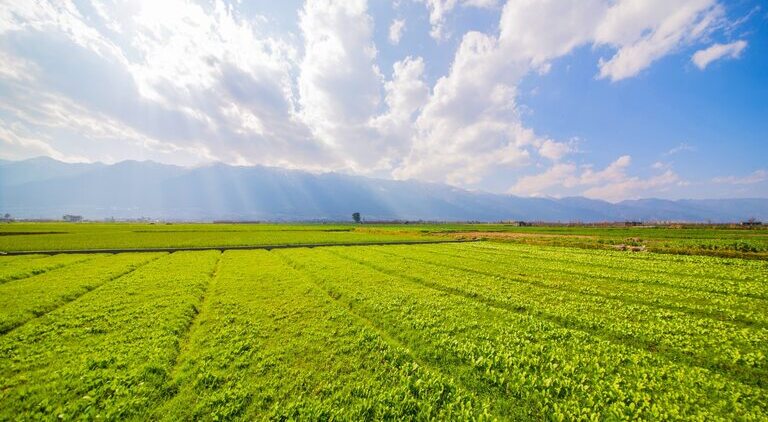
When we speak of “Our Farm in Al Hashemeya – Egypt”, we’re referring to a landmark estate now part of the NRTC Group’s growing footprint in upstream agriculture. This is not just another farm—it’s a 10,000-acre agricultural estate in Egypt’s Wadi El Natrun that now serves as a cornerstone for delivering premium produce across the region.

A Strategic Acquisition: The Backdrop

In a bold step, NRTC Group formally acquired the estate known as Al Hashemeya Farms, positioned to reshape how fresh produce is grown and delivered from farm to table. The estate spans approximately 10,000 acres, with roughly 70% under cultivation, making this a meaningful investment not just in land, but in food-security, quality control, and regional resilience.

This move allows NRTC to become vertically integrated: from sourcing and distribution of fresh fruit and vegetables to actually owning and managing the cultivation of premium crops at scale.

Our Farm in Al Hashemeya – What Makes It Special

Diverse Crops & Scale

At the heart of the farm’s significance is its crop portfolio and scale. It features over 2 million fruit trees and cultivates a diverse set of crops: citrus, mangoes, grapes, olives, dates, wheat and sugar beet, among others. The estate has the capacity to yield up to around 70,000 tonnes annually.

Modern Farming Techniques

What distinguishes the NRTC farms is its combination of modern techniques with large-scale cultivation:

  • Centre-pivot irrigation systems that optimise water use.
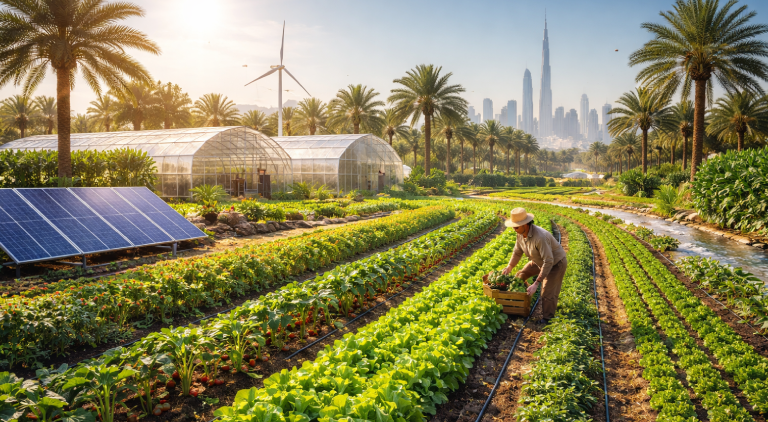
  • Solar-powered water infrastructure, reflecting sustainability at its core.
  • Precision‐farming practices and advanced harvesting equipment (including the “only olive harvester in Egypt” referenced on the farm page).

From Field to Fork Quality Control

Because NRTC owns the farms estate rather than simply sourcing produce from third parties, there’s greater transparency, better traceability and tighter control of quality—right from planting through harvesting, packing and distribution. This integration helps ensure the consumer is receiving produce that is fresher, more reliably supplied and subject to higher standards.

Why the Location Matters

Wadi El Natrun is one of Egypt’s agricultural hubs and offers significant advantages: climate suitability for certain fruit trees, access to export routes, and proximity to infrastructure. By locating the farm here, NRTC is better placed to serve Gulf Co‐operation Council (GCC) markets with greater consistency and lower transit times.

Additionally, this reflects a broader strategic imperative: food security in the region. With climate change, import risks, and supply-chain disruptions increasing, owning a large productive estate helps buffer against external shocks.

Our Farm in Al Hashemeya – Vision & Values

Sustainability at the Core

The farm page emphasises “sustainable practices like solar-powered irrigation and precision farming”. By adopting these practices, the farm is not only more environmentally responsible but also more resilient—less dependent on external power and water pressure or unpredictable supply chains.

Partnership & Trust

NRTC highlights “trusted partnerships” as part of the farm’s identity. It’s not simply a large estate, but a collaborative operation involving local farmers, agritech tools and logistics designed to deliver produce with reliability.

Innovation Meets Nature

The tagline “Where Innovation Meets Nature” (as stated on the farm page) is more than marketing: it underlines the combination of scale, tech and traditional agriculture. By leveraging modern harvesters, irrigation controls and solar power, the farm aims to produce at volume while maintaining high standards of quality.

Implications for Produce and Supply Chain

Owning this farm means that NRTC is able to better guarantee supply for its distribution channels. For buyers—whether retailers, hospitality, food-service or direct‐to‐consumer—this translates into:

  • Reliable availability of crops across seasons
  • Consistent quality, because the grower and distributor are aligned
  • Traceability from farm to shelf, enhancing consumer confidence
  • Reduced risk of disruption, as NRTC now controls the upstream portion of the chain

In the context of fresh produce in the UAE and GCC region, this offers a distinct advantage.

What It Means for You, the Consumer or Business Partner

If you’re sourcing fresh fruit or produce, or if you’re a consumer looking for quality produce, the farm in Al Hashemeya gives you several benefits:

  • Produce grown with advanced techniques and sustainable systems means better flavour, freshness and nutritional integrity.
  • Because NRTC oversees both farm and distribution, there may be shorter transit times and less handling stress on produce.
  • As a business partner, you may rely on a supplier who isn’t purely a middleman, but has direct control over production.
  • For regions like the UAE, which import a vast share of fresh produce, this kind of upstream investment means greater supply security, arguably fewer shortages or price spikes.

Looking Ahead: What the Farm in Al Hashemeya Signals

The acquisition and operation of this estate are not only about the farm itself—but also about the broader trend of agricultural investment, vertical integration and regional food system resilience. For NRTC, this is a foundational asset. For the region, it signals a shift toward controlling more of the supply chain. For you, as a consumer or business, it offers a potential quality and reliability leap.

In summary:

  • Under the banner “Our Farm in Al Hashemeya – Egypt”, NRTC Group is now growing produce at scale.
  • The estate combines modern farming tech with a wide crop range and sustainable practices.
  • The proximity of the farm to regional markets and its integration into NRTC’s distribution network makes it a strategic asset.
  • Whether you are sourcing produce or choosing what to put in your store or on your table, knowing the origin and the control behind it adds value.

Final Thoughts

The story of NRTC “Our Farms in Al Hashemeya – Egypt” is one of ambition, innovation and food-system foresight. By owning and operating this estate, NRTC is not just distributing fresh produce—it is growing it with intention, oversight and sustainability built in. For the region’s produce landscape—especially for businesses and consumers in the GCC—the result is potentially fresher, better-quality produce delivered with confidence.

From Farm to Home: Buy Organic Vegetables Online in Dubai

Organic Vegetables

Organic vegetables are more than a passing food trend. They are a commitment to healthier, more environmentally friendly farming practices, superior soil, purer water—and ultimately healthier people and a healthier planet. 

In this blog, we’ll explore what organic vegetables are, why they’re important, the types of organic vegetables, and how bulk production—especially by companies like NRTC—is changing the game. We’ll wrap up with how NRTC is moving from being just a distributor to also being a producer, and what this means for the future of organic produce.

What Is Organic Vegetables

Organic vegetables are produce that has not been raised with synthetic pesticides, chemical fertilizers, genetically modified organisms (GMOs), or irradiation. Rather, organic farming practices make use of natural fertilizers (such as compost and manure), rotating crops, companion planting, and biological pest controls. It’s not only to cultivate food; it’s to cultivate food the way that nature intended—improving soil health, saving water, preserving biodiversity, and minimizing pollution.

Key features of organic vegetables:

  • Grown in naturally fertile soil without artificial inputs.
  • No application of chemical pesticides or herbicides.
  • Non-GMO seeds or seedlings.
  • Soil health support practices: crop rotation, intercropping, composting.
  • Sustainable practices (water conservation, reduced tillage, etc.).

Why Organic Vegetables Matter

Health Benefits

Organic vegetables generally contain fewer residues of artificial chemicals. Some research indicates they might be higher in some nutrients, antioxidants, or phytochemicals. For individuals who are sensitive to pesticide exposure, organic vegetables provide reassurance.

Environmental Sustainability

  1. Soil health: Organic methods of farming construct soil organic matter, enhance structure, minimize erosion, and optimize nutrient cycling.
  2. Water quality: In the absence of synthetic inputs, there’s less likelihood of run-off contaminating waterways.
  3. Biodiversity: Organic farms are more likely to have a higher diversity of plants, insects, and wildlife.
  4. Lower carbon footprint: While organic yields might be lower, activities such as composting, cover cropping, and less use of synthetic fertilizers usually reduce greenhouse gas emissions per acre.

Food Security and Resilience

Against climate change, unstable weather, and supply chain interruption, organic agriculture may provide resilience. Healthy soils contain more water, retain nutrients more effectively, and bounce back more quickly after stress. Areas that invest in organic or sustainable agriculture tend to fare better under changing conditions.

Types of Organic Vegetables

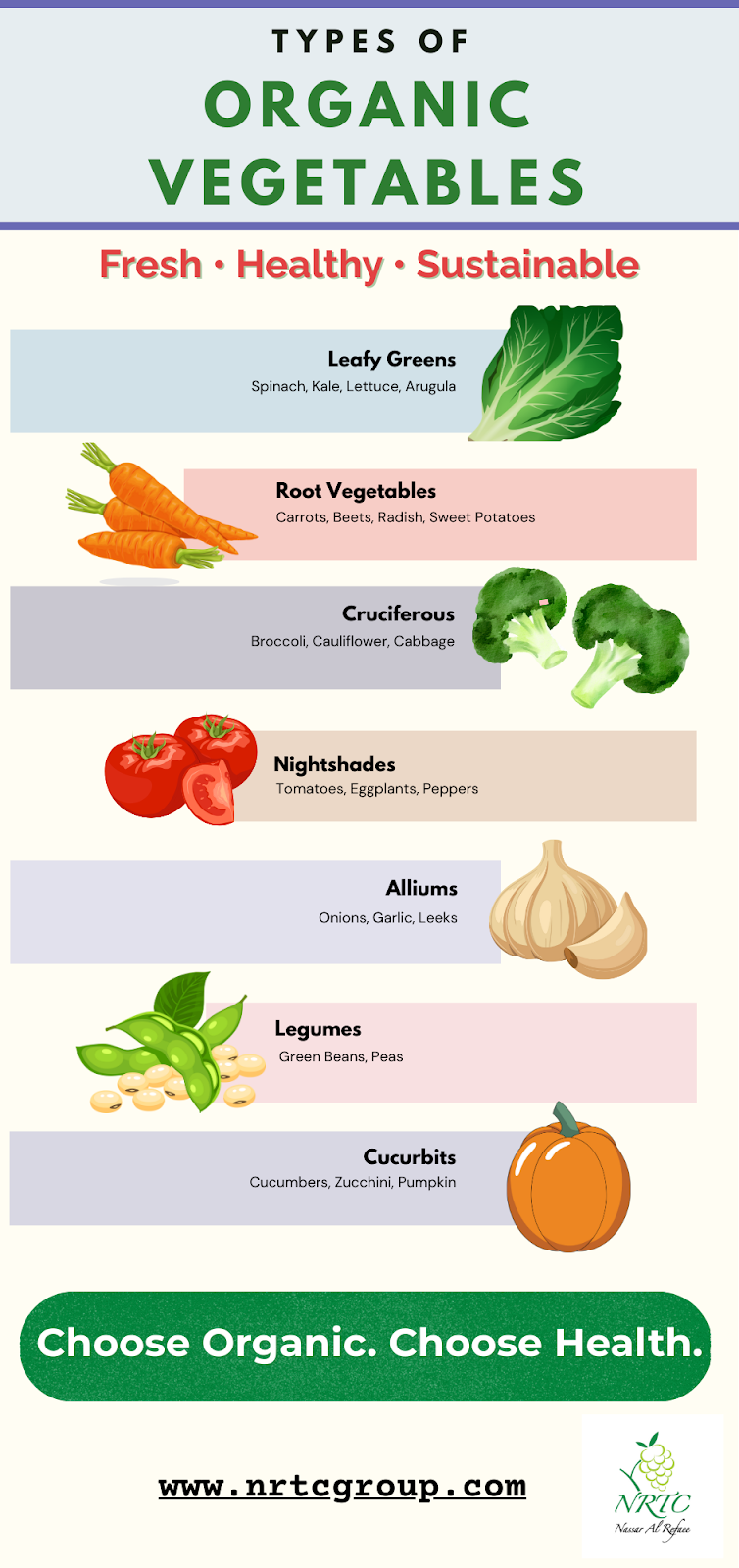
Organic vegetables exist in a variety of shapes, sizes, and forms. Some of the most common types/categories are:

Organic Vegetables Online in Dubai
All of these categories have varying nutrient content and growing requirements. Organic standards for certification guarantee that by category, the produce is grown to strict standards.

Bulk Produce of Organic Vegetables

When we speak of bulk produce, we mean large-scale organic vegetable cultivation and supply—sufficient to supply supermarkets, food service operations, and major buyers instead of farmers’ markets or local markets.

Bulk producers have unique challenges:

  • Ensuring consistency of quality (taste, size, freshness).
  • Providing supply stability across seasons.
  • Controlling organic input costs (organic fertilizers, pest management) which tend to be higher.
  • Dealing with logistics: cold storage, transport, packaging, traceability.
  • But mass production has its advantages as well:
  • Economies of scale allow for lower cost per unit.
  • Potential to make sustainable infrastructure investments—solar energy, drip irrigation, big composting units.
  • Capacity to minimize environmental footprint on a bigger level.
  • Improved contribution to enhancing food security by bringing healthy organic greens within reach. 

NRTC: From Distributor to Producer

A good instance of how a business ventured into the bulk organic vegetables business is that of NRTC. Although NRTC was classical in its reputation as a fresh produce distributor, its recent actions exhibit a tactical initiative for upstream integration. Based on their announcement:

  • NRTC purchased Al Hashemeya Farms in Egypt, which is one of the Middle East region’s largest privately owned agricultural estates. 
  • The farm covers approximately 10,000 acres, with advanced infrastructure—solar-powered water systems, center-pivot irrigation, etc.
  • It has a potential yield capacity of up to 70,000 tonnes.

By owning and operating farms, NRTC has end-to-end control—from how the vegetables are farmed, to harvested, to delivered. This can lead to tighter control over quality, improved traceability, more secure supplies, and potentially superior prices for customers because there are fewer middlemen. It also enables investment in sustainable farming practices at scale.

Conclusion with NRTC

Organic vegetables aren’t merely a niche play—they are a key component of sustainable agriculture, public health, and environmental protection. As demand increases, so too does the imperative for stable, large-scale, sustainable producers. Businesses such as NRTC illustrate the model shift: from distribution alone to farming, from reliance on outside suppliers to having farms of their own, and from splintered supply chains to vertically integrated models.

When organizations take action at each step—soil, seed, water, harvest, distribution—not only do they enhance quality and safety, but also make organic vegetables accessible and affordable. For consumers, it translates into fresher, healthier fruits and vegetables. For communities and the planet, it translates into a better environment, resilience, and long-term food security.

Sustainable Farming: A Paradigm Shift in Agriculture for a Greener Climate in the UAE

Sustainable Farming

Sustainable Farming guarantees the accessibility of food, the well-being of the environment, and the welfare of society. With the UAE focused on food imports and an arid climate, the more logical course of action would be to pursue more sustainable agriculture. In this blog post, we will analyze sustainable farming in the UAE and its key architectures and frameworks, case studies, advantages, renewable energy possibilities, the importance of local and organic food production, government frameworks, and the role of organizations like NRTC Group catering to this transformation. 

What Is Sustainable Farming?

Sustainable farming (or agriculture) involves the responsible and rational use of soil, water, and biodiversity, and maintaining socio-economic balance. In the case of UAE, the sustainability relates to scarce potable water, high temperatures, limited land, and food insecurity. As cited in reports, a number of water conservation irrigation systems, pest bio-management, crop rotation, and other eco-friendly farming techniques are being adopted in a bid to reduce the use of the environment. 

Sustainable Farming in the UAE: NRTC Strategies

Unique technologies have emerged and been adopted to enhance more sustainable farming practices across the UAE: 

  1. Hydroponics- Growing plants in nutrient solutions without soil, which uses much less water and allows production in controlled environments. 
  2. Vertical Farming- Plants are grown in stacked layers; ideal to maximize output on limited land, and allows water and energy to be saved while growing year-round. 
  3. Aquaponics- The pairing of fish farming with the growing of plants. Plants gain nourishment through the fish waste and create a closed loop. 
  4. Precision Irrigation and Smart Sensors- The incorporation of drip irrigation, automated systems, and moisture sensors delivers water to a specific area and at a specific time. 

Sustainable Farming Examples

The use of hydroponic systems alongside greenhouses dramatically lowers the land and water use of the sophisticated sustainable farming practice. 

Vertical farming in peri-urban and urban zone allows the growing of fresh produce proximal to the city. 

The practice of aquaponics allows fish and vegetables to be grown on the same farm, optimizing the resources and maximizing the outputs. 

The Importance of Sustainable Farming

In UAE and similar arid regions, water and resources are limited and must be preserved. These sustainable farming techniques like precision irrigation and hydroponics preserve resources.

Benefits of Sustainable Farming

Conservation of Water and Natural Resources – Saving Water Is Vital in water-scarce regions such as the UAE. Precision irrigation and hydroponics are excellent methods for achieving this. 

Increased Food Self-sufficiency – Increased production for the local market reduces the need for imports. 

Natural and Ecological Balance – Reduction in the rate of soil erosion; lesser use of chemicals for pest control; an increase in overall biodiversity.

Economic Sustainability – Lower operational expenses due to significant conservation of water and energy; added opportunity of charging a higher price for organic and local produce.

Community Gains – Increased employment opportunities; enhanced training; improvement in the availability of nutritious food.

Renewable Energy Solutions

In the UAE, several innovations are promising. To achieve full sustainability in agriculture, energy issues must also be addressed.

Solar Energy Systems – Solar energy, especially in hot climates, can be used to power irrigation pumps, greenhouses, and lighting. 

Wind Energy Systems – Moderate Windy Coastal Areas can use small to medium Wind Turbines as a complement to solar power. 

Bioenergy and Biofuels – The production of biogas or biofuels using agricultural waste or by-products helps to minimize waste and close the cycle. 

Encouraging the production of Organic and Local Food

Increasing the number of farmers’ markets so people can buy local organic products directly. 

Establishing retail agreements whereby supermarkets and local shops give preference to local, organic products.

Culinary experiences—restaurants, food festivals—cooking with local, organic ingredients, raising consciousness.  

Government Actions and Policies Advocating for Sustainability within the UAE

The UAE government has designed and implemented several strategies and policies at the macro level intended to promote the practice of sustainability agriculture.  

National policy frameworks such as the National Food Security Strategy and the UAE Green Agenda articulate objectives of reducing dependence on imports, enhancing land-use efficiency, and ensuring sustainability of these functions over the long term.  

Micro and regional policy measures: financial subsidies, low-interest loans, and tax incentives for early adopters of innovative technologies for sustainable agriculture and agribusiness practices.  

Investments in R&D, education, and training to develop site-specific technologies appropriate to the UAE’s climate (saline soils and high temperatures).  

Transforming and Revitalizing Sustainable Agriculture with NRTC Group

The NRTC Group is one of the major players in the agricultural and food supply for the UAE, and as such, has the potential to spearhead the sustainable farming revolution. Below are some of the ways they can do so.  

Investments in local hydroponic or vertical farms to grow fresh vegetables and thus reduce imports and the overall carbon footprint.  

Collaboration with agri-tech companies to implement smart irrigation, sensors, renewable energy, and biogas systems.

“Providing training and logistical assistance with supportive access to markets while integrating organic and local producers into their supply shack to strengthen their supply chains.

Representing and/or partnering with the government on certain policies and perhaps on the use of certain incentives within the sFS agri-food system to promote integration of sustainable practices on their farms as well as in their supply chains and retail activities.”

Conclusion

Undoubtedly, the most viable form of agriculture that the UAE can practice, given the climatic and physical constraints of the deserts in the country, the limited availability of fresh water, and the over-dependence on imported food, is sustainable farming. Employing and integrating modern farming techniques such as hydroponics, vertical farming, and aquaponics, coupled with the deployment of renewable energy and government initiatives to promote organic farming, is imperative. It is the collective duty of the NRTC Group, policymakers, agri-food system researchers, and farmers to take the lead in transforming the agricultural practices to support the country’s greening efforts.

Why Blueberries Are a Superfood You Should Eat Every Day

Blueberries

Blueberries, known as “nature’s superfood”, are tiny, sweet, and full of an impressive nutritional load. From their bright color to their sour-sweet flavor, blueberries have captured the hearts of health-aware people all over the globe. Full of vitamins, antioxidants, and dietary fiber, they are not only a tasty fruit but also a powerful friend in maintaining general well-being.
In this blog, we’ll explore the different types of blueberries, their incredible health benefits, and why they hold such an important place in our daily diets. We’ll also highlight how trusted suppliers like NRTC Group play a key role in delivering fresh, high-quality blueberries to consumers.

Types of Blueberries

Blueberries come in different varieties, each offering a unique taste, size, and growing condition. The four main types include:

1. Highbush Blueberries

These are the most widely available type of blueberries available in stores around the globe. Highbush blueberries are bigger, juicier, and suitable for temperate climates. They are well-suited for fresh eating, smoothies, and desserts.

2. Lowbush Blueberries

Also referred to as “wild blueberries,” these are smaller but have a more concentrated flavor than highbush varieties. They thrive in colder climates and tend to be utilized in jams, baked products, and frozen packs owing to their stronger flavor.

3. Rabbiteye Blueberries

Native to the southeast United States, Rabbiteye blueberries are bigger and do well in warmer climates. They are rugged, durable, and ideal for long-term storage or shipping.

4. Half-High Blueberries

Half-high blueberries are a hybrid of highbush and lowbush varieties and possess the cold hardiness of lowbush combined with the size and taste of highbush and thus are ideal for both commercial production and home gardens.

Health Benefits of Blueberries

Including blueberries in your diet gives your body a daily dose of wellness. Here are some of their major health advantages:

1. Full of Antioxidants

Blueberries are full of antioxidants, especially anthocyanins, which account for the rich blue color. The antioxidants neutralize free radicals in the body, lowering oxidative stress and the ageing process.

2. Good for Heart Health

Daily intake of blueberries is associated with a lowered risk of heart disease. Blueberries assist in decreasing bad cholesterol (LDL), enhance the health of arteries, and maintain healthy blood pressure.

3. Enhances Brain Function

Research indicates that the antioxidants in blueberries can slow down aging of the brain and enhance memory. They are commonly called “brain berries” due to their potential for enhancing cognitive functioning.

4. Digestion Aid

With their rich content in fibre, blueberries ensure good digestion and can help to avoid constipation. A high-fibre diet also ensures good gut health in the long term.

5. Immune System

Rich in vitamins C and K and other nutrients, blueberries contribute to making the immune system stronger so that the body gets better protection against diseases.

6. Weight Management Support

Low in calories but rich in nutrients, blueberries make a great snack for individuals seeking to lose or maintain weight. They are good in satisfying the sweet tooth without introducing unwanted sugars.

The Significance of Blueberries in Healthy Living

In today’s fast-paced world, it’s easy to overlook the importance of natural, nutrient-rich foods. Blueberries provide an easy and tasty way to bridge that gap. Whether eaten fresh, blended into a smoothie, tossed in a salad, or added to desserts, blueberries add both flavor and nutrition to meals.

They are versatile enough to be consumed by individuals of all ages—from children requiring necessary vitamins for growth to adults who want to ensure good health. Blueberries are also highly endorsed by nutritionists and dieticians as a “daily fruit” due to their wide range of health benefits.

NRTC Group: Providing Fresh and Quality Blueberries

Where obtaining the best and freshest fruits is concerned, the NRTC Group is a name that comes to mind. Being one of the top fresh fruit and vegetable suppliers, NRTC Group makes sure customers receive top-class blueberries direct from reputable farms.

By placing quality, freshness, and timely delivery at the forefront, NRTC Group is instrumental in making nutrient-dense fruits such as blueberries readily available to homes, restaurants, and retailers. Its dedication to excellence means that consumers can fully realize the flavor and health benefits of blueberries with no compromise.

Conclusion

Blueberries are small in stature, but their health benefit are huge. With several types to select from, numerous health benefits to offer, and phenomenal culinary versatility, blueberries well deserve to be called a “superfruit.”

Thanks to suppliers like NRTC Group, enjoying fresh and nutrient-rich blueberries has never been easier. So, the next time you’re looking for a snack or a healthy addition to your meal, remember to reach for these little blue gems—they’re as good for your taste buds as they are for your body.

Strawberry – A Sweet and Super Fruited

Strawberry

Globally loved due to its taste and bright red colour, strawberries are perhaps one of the best fruits. Strawberries are delightful to eat along with smoothies or desserts, they have a lot of nutritional benefits as well. Known as the “queen of berries,” this fruit is as versatile as it is healthy.

NRTC Group has earned its reputation as a trusted source for fresh fruits and vegetables, including premium-quality strawberries. Their consistent supply makes them a go-to choice for families, cafes, and hotels throughout Dubai and the UAE.

Strawberry – Nutritional Benefits

When thinking of deserts or sweetened fruits, strawberries seem to make the picture. Yet most do not know that strawberries are a mega source of vitamins, minerals, and are packed with antioxidants making them a superfruit.  

High in Vitamin C 

Strawberries, rich in Vitamin C, are incredibly beneficial for one’s health, a single serving contains more Vitamin C than an orange. Vitamin C helps the body defend against diseases while also helping in maintaining and preserving the skin’s health. Vitamin C also helps in collagen production, which keeps skin youthful and glowing.

High in Antioxidants 

As a member of the antioxidant family, strawberries are rich in anthocyanins and ellagic acid which fights free radicals in the body. Studies show that these antioxidants are capable of reducing inflammation, improving heart health, and protecting against chronic diseases.

Good for Heart Health 

Studies show that taking strawberries repeatedly can improve cholesterol levels and lower blood pressure which then results to improving cardiovascular health as a whole. In addition to that, the potassium content in strawberries also helps improve blood pressure levels.

Supports Weight Management

Strawberries are a perfect snack for weight watchers as they are low in calories and high in fiber. They contribute to feeling full, enhance the process of digestion, and can be taken without guilt in smoothies, salads, and yogurt.

Culinary uses of strawberries

With their sweet flavor and adaptability, strawberries are certainly a desired ingredient in many kitchens around the world. They can be eaten for breakfast, lunch, and dinner, and are a major ingredient in a lot of different recipes.

Strawberries in Breakfast

Strawberries are widely known to enhance a variety of breakfast items. They can be added to pancakes as a topping, serve as a side for cereal, or they can be blended to make a refreshing juice which is perfect for breakfast.

Strawberry Desserts 

Strawberry desserts are loved all around the world. From creamy cheesecakes and indulgent ice creams to freshly baked tarts, these treats owe their irresistible sweetness and flavor to the freshness of strawberries.

Smoothies and Other Beverages 

Both children and adults seem to enjoy strawberry smoothies and shakes ever so much. They have a unique tangy and sweet taste that can be enjoyed with yoghurt, milk, and other fruits.

Farming Strawberries and Supply Dubai

The modern approach to agriculture and the constant need for fresh fruit and vegetables in Dubai have helped to elevate the status of strawberries and made them vital to the local market. It has ensured the best strawberries in the market.

The NRTC Group has existed for more than 50 years. It is one of the first companies to import fresh fruit and vegetables to the United Arab Emirates. The NRTC Group has developed itself over the years by forming good relationships with many of the world’s reliable strawberry and fruit farms. The prime aim is to provide fresh fruit to the customers. Therefore, it is a farm-to-table service and has direct access to farm fruit. The supplies include: retail chains, restaurants and households. All of it is through online access, making it easy for every customer to access and get strawberry any day and time.  

Why NRTC Group strawberries?

The strawberries are guaranteed to be fresh upon delivery. NRTC Group strawberry quality control processes ensure every direct supply fruit is fresh and has optimum flavor.  

Renowned for quality, NRTC Group has over 40 years of experience and is well known for a perfect supply of fruit and vegetables.  

All customers whether for business or personal use are ensured by NRTC Group to get swift, dependable supply delivery to any point in Dubai or the United Arab Emirates.

Conclusion

 In addition to being tasty, strawberries are highly nutritious as well. They improve the heart’s health, and the skin’s radiance, and are infact, a superfruit that should be in every home! For the people of Dubai, where quality and freshness are paramount, NRTC Group guarantees year-round availability of the premium strawberries. 

So the next time you need a sweet treat that’s healthy, remember, strawberries from NRTC Group will satisfy your craving while promoting your well-being.

Beetroot: The Superfood Full of Nutrition

Beetroot

Beetroot is perhaps one of the most nutrient-dense vegetables there is. Along with improving the taste and even the appearance of your meals, it also offers countless health benefits. With the increasing demand for fresh and organic vegetables, suppliers like NRTC Group are making sure that the vibrantly colored root vegetable is available for households in the most nutritious and pure form.  

What Makes Beetroot a Nutritional Powerhouse  

  • Beetroot is fresh, earthy, sweet, and packed with:  
  • Important vitamins such as Vitamin C, Folate, and Iron.  
  • Powerful antioxidants like Betalains, which reduce inflammation.  
  • Dietary fiber that enhances digestion.  
  • Natural dietary nitrates that improve heart health and energy levels.  

Incorporating beetroot in your diet is a guaranteed way to improve your physical and mental health.  

Leading Health Benefits of Beetroot

  1. Boosts Heart Health  
    Studies indicate that beetroot enhances blood circulation and helps in blood pressure regulation due to its unique nitrates.  
  2. Enhances Stamina and Energy  
    Fitness enthusiasts and athletes swore by it for a reason; beetroot juice significantly improves stamina and endurance and shortens recovery time.  
  3. Supports Digestive Health  
    Beetroot contains high amounts of fiber which aids in the smooth functioning of the gut, making digestion effortless and efficient.
  4. Beetroot for Brain Function
    Enhanced blood circulation leads to sharper focus, improved memory, and a decreased risk of cognitive decline. 

Beetroot and NRTC Group – A Commitment to Freshness

To maximize the potency of beetroot, the product needs to be fresh. This is why the NRTC Group Fresh Beetroot Supplier has built a reputation for trust. NRTC Group is known to practice timely sourcing and sustainable supply chains which enable consumers to receive fresh and nutrient rich produces like beetroot. 

How to Enjoy Beetroot in Your Diet

  • Juices and smoothies – A delicious way to energize and start your day.
  • Salads and roasts – Venture beyond your usual boring meals by adding crunch and color.
  • Soups and curries – An earthy flavor that boost the taste and nutrition of your meals. 

Enhancing your meals with beetroot helps you gain the maximum nutrition value.

Conclusion

NRTC Group has made fresh and high quality beetroot easy to access, and with this, one can get the multitude of health benefits. Eating beetroot aids heart health, boosts energy levels, betters digestion and brain function, making beetroot a true superfood. With beetroot, one can living healthier and feeling stronger.

Wholesale Fruits Vegetables – Timeliness and Value for Every Enterprise

Wholesale Fruits and Vegetables

In this modern era of fast-paced food supply and demand, access to fruits and vegetables is of great value to restaurants, retailers, and catering enterprises. The purchase of fresh produce in bulk reduces expenses and ensures quality. This is the reason trusted suppliers like NRTC Group exist, delivering fresh and grade A produce to meet the standards of businesses and customers.

The Rising Need for Wholesale Fruits and Vegetables

Due to the increase of health-conscious customers, restaurants and retailers are now on the lookout for fresh and healthy ingredients. The demand for fruits and vegetables is on the rise due to –

  1. Reduced Expenses: There is a reduction in expenses incurred when purchasing in bulk.
  2. Supply Reliability: Fixed supply of seasonal and exotic produce.
  3. Quality: Reduced Supply chain issues means improved product quality.

For any business to thrive in the competitive environment, wholesale distributors are not optional, but a requirement.

Why Choose Wholesale Fruits and Vegetables from NRTC Group

For over a decade, NRTC Group has been a pioneer in the distribution of produce, vegetables, and fruits, and is still an active distributor of wholesale fruits and vegetables in UAE and beyond. Maintaining fruitful relations with local and overseas farms helps their customers.

  • Farm-fresh quality and a taste like no other
  • Comprehensive selection of fruits and vegetables for every requirement
  • Streamlined logistical operations for prompt distribution
  • Sourcing methods that meet environmental standards

NRTC Group is still a preferred ally for restaurants, hotels, and catering companies, marrying quality and value, to helping them manage seamless operations.

Benefits of Partnering with NRTC Group for Wholesale Fruits and Vegetables

  • Comprehensive Surveillance – Quality at every stage is maintained, from the field operations to the point of delivery.
  • Extensive Supply Chain – Never running out of stock and always having fresh stock is guaranteed for all clients.
  • Market Leading Prices – Never having to worry about hefty loses and always maximimizing profits while retaining the produce’s quality is guaranteed.
  • Market Leader – One of the most popular names in the wholesale produce industry for the freshness and the quality of the services offered.

How Wholesale Fruits and Vegetables Can Transform Your Business

Whether you are a small-scale restaurant owner or a manager in a big retail outlet, the strategic wholesale fruits and vegetables market has a lot to offer. The introduction of fresh fruits and vegetables into the menu not only improves the quality of food served but reduces the customer attrition rate because the supply meets the rising demand for healthy food alternatives.

Final Thoughts

The right wholesale fruits and vegetables supplier can make a difference, and NRTC Group can be that supplier with a promise of partnership, delivering unmatched freshness, quality, and trust.

NRTC Group: The Go-To Premium Vegetables Supplier in Dubai

Every flavorful dish starts with produce that’s crisp, nourished, and healthy. From home to award-winning restaurants, soaring hotels, to busy kitchens, trusting the right vegetable supplier in Dubai isn’t just convenient, it’s vital. NRTC Group has earned a reputation for delivering farm-fresh vegetables that elevate meals and meet the most exacting standards for freshness, quality, and speed.

Why a Dependable Vegetable Partner Matters in Dubai

With the emirate recognized as a culinary center, the appetite for high-quality vegetables stretches from five-star kitchens to delivery boxes. No operation can afford delays, dull produce, or hidden costs. The vegetable supplier in Dubai delivers the benefits that every chef, manager, and home cook expects:

Absolutely Fresh – We source from carefully selected local and global farms.

Steady Availability – Seasonal gems and exotic finds, every day.

True Cost Savings – Wholesale pricing, every time, with no trade-off in quality.

Rapid Logistics – Temperature-controlled fleets navigating the city’s any-time hustle.

NRTC Group has woven every one of these attributes into the heartbeat of its service, assuring that your kitchens or storage always brim with premium, freshly harvested veggies.

NRTC Group – Premier Source of Fresh Vegetables in Dubai

Throughout Dubai’s evolving market, NRTC Group has remained a guiding light in the fresh produce sector. As a vegetable supplier preferred by distinguished establishments across the UAE, we offer the following core strengths:

Comprehensive Selection

We stock everything from daily essentials—like onions, tomatoes, and cucumbers— to specialty exotic vegetables, meeting the diverse demands of wholesale and retail channels in one stop.

Guaranteed Farm-to-Table Quality

Every vegetable is sourced directly from trusted farms, preserving peak nutritional content and authentic flavour. Deliveries reach customers with the same freshness experienced shortly after harvest.

Technology-Enhanced Logistics

Our next-generation cold storage and distribution centres are calibrated to uphold peak quality during temperature-sensitive transit, serving restaurants, hotels, and groceries with uniform excellence.

Attractive Wholesale Economics

By coupling quality with competitive bulk prices, we deliver predictable value, earning preference from businesses of all sizes that operate in Dubai’s dynamic wholesale environment.

Built-in Client Trust

Decades of partnerships with figures in food and beverage, retail, and hospitality affirm our reputation. NRTC Group has been and remains Dubai’s vegetables supplier of choice, woven into the fabric of the city’s culinary success.

Serving Diverse Sectors in Dubai

  1. Restaurants and Hotels – Consistent, bulk shipments to meet daily kitchen demands.
  2. Supermarkets and Retailers – Fast replenishment of both everyday and out-of-season produce.
  3. Catering Services – Customised wholesale packages that scale for banquets and conferences.
  4. Households – Direct, competitively-priced produce orders through our user-friendly online store.

The Future of Vegetable Supplier in Dubai

As the emirate accelerates its digital agenda, NRTC Group reinforces that path with seamless online ordering and doorstep delivery of vegetables. This platform handles bulk requests for businesses and families, arranging precisely-timed drop-offs of freshly harvested goods.

Conclusion

Dubai’s first choice for reliable vegetable supplier sourcing is NRTC Group, offering unrivalled quality, absolute freshness, and proven dependability. Rooted in local produce traditions and powered by cutting-edge logistics, our service ensures every sector, from five-star hotels to family kitchens, receives vegetables that meet the highest standards, always delivered with meticulous handling. The pursuit of the ideal vegetable partner in Dubai ends at NRTC Group. Your vegetables, our commitment.

NRTC Group: Your Reliable Partner in The Wholesale Vegetable Market

In an era where time is everything, wholesale buyers demand nothing less than impeccably fresh vegetables that won’t break the budget. Whether restocking a bustling kitchen, a corner shop, or a home pantry, the need for dependable suppliers is clear. NRTC Group steps in as the benchmark for the wholesale vegetable market, delivering outstanding quality, cost-effectiveness, and prompt distribution, unwaveringly, day after day.

NRTC Group ranks among the UAE’s foremost players in the fresh produce landscape. Years of experience have sharpened our expertise in sourcing, trading, and moving fruits and vegetables. The name is now a badge of trust for hotels, restaurants, catering companies, grocery chains, and home cooks who refuse to compromise on quality. Through direct ties to growers and carefully chosen suppliers on every continent, NRTC guarantees farm-fresh vegetables at remarkably competitive wholesale rates.

What Makes NRTC the Go-To Source for Wholesale Vegetables?

NRTC knows that every purchase, whether for a single delivery or a sweeping re-supply, must deliver both economic sense and quality certainty. That’s the promise NRTC Group backs in every transaction:

Why NRTC Group Stands Out in Wholesale Vegetable Market

At NRTC, we know that every client, from corner grocers to multinational chains, demands unbeatable quality matched by competitive pricing. That’s why we lead the wholesale vegetable market. Let’s break it down:

1. Peak Freshness, Guaranteed

Our teams hand-select produce from nearby farms and vetted international growers, so every batch arrives at your dock at the height of ripeness.

2. Price Without Compromise

Through innovative logistics and bulk sourcing, we pass savings straight to you, helping your bottom line without sacrificing quality.

3. All You Need, One Source

From staple crops—onions, potatoes, and tomatoes—to the rarest imports, you find every size, color, and variety in our expansive warehouse.

4. Dependable, Timely Delivery

Our fleet of temperature-controlled vans and strategically located cold stores makes sure your order leaves and arrives fast, every time.

5. Proven Reliability Across Segments

Whether serving Michelin-star kitchens, large catering venues, or family meal kits, the NRTC brand stands for quality and respect for the client.

NRTC Group in the UAE Wholesale Vegetable Market

As one of the core pillars of the UAE’s booming trading landscape, the wholesale vegetable market requires precision and strategic foresight. NRTC Group meets that demand, seamlessly connecting growers to retailers, hotels, and meal processors across the Emirates.

With the continuous rise in demand for nutritious, naturally-sourced food, NRTC is broadening its distribution network, allowing wholesale buyers to seamlessly buy through in-person procurement.

Transforming the Wholesale Vegetable Landscape at NRTC

Recognizing the trend toward digital convenience, NRTC Group is pioneering wholesale vegetable commerce by integrating a streamlined ordering and delivery service for the UAE and beyond. This digital upgrade empowers purchasers and owners alike with:

  • Bulk quantities ordered with a few taps
  • Instant, clear visibility on live pricing
  • Precise delivery time slots that fit the schedule
  • Preserved quality and freshness, assured throughout the journey

Conclusion

In the UAE’s wholesale vegetable market, NRTC Group defines the gold standard in reliability, standard, and service. Restaurants, supermarkets, catering firms, and home buyers alike turn to NRTC for vegetables that are always crisp, transparently priced, and punctual at the door.

Merging long-established practices with forward-looking digital tools, NRTC Group is setting a new pace for sourcing and sending wholesale fruits and vegetables, proving every day that the freshest and healthiest choices are now well within reach for everyone.

Why Wholesale Vegetable Markets In Dubai Are Key to Its Food Supply

wholesale vegetable markets in dubai

When we think of Dubai, it’s always the huge buildings, skyscrapers, and futuristic innovations. However, behind this vast glamour lies a highly valuable and efficient system that keeps the city running smoothly and well-stocked, especially with fresh fruits and vegetables.

Although Dubai lacks extensive farmland and its climate is too hot for many crops, access to a wide variety of fruits and vegetables has never been an issue. This is where Dubai’s wholesale vegetable markets play a crucial role, serving as a vital pillar of the city’s food system.

Dubai’s food system

These markets play a crucial role in Dubai’s food system, catering to both bulk orders and everyday needs. They usually import a significant majority of food items from various global sources rather than traditional farming. Wholesale markets are an important destination for this imported produce because they act as a storage, sorting, and distribution hub across the city and beyond. These hubs receive tonnes of fruits and vegetables every day, and they are distributed to supermarkets, small grocery stores, restaurants, residential areas, and even roadside vendors. One fascinating aspect is that they are strategically located near transport hubs and logistics centers.

This system assures that, regardless of season or location, fresh vegetables, fruits, and other in-demand produce are available throughout the city.

High Volume & Variety

One of the most intriguing aspects of Dubai’s wholesale market is its vast variety and volume. On any given day, the market offers a wide selection of fresh fruits, vegetables, leafy greens, root vegetables, seasonal items, herbs, dairy products, and exotic varieties from Asia, Africa, and Europe.

Customers get the opportunity to choose from their varied collections, often at a lower price range than the retail stores. And the bulk availability benefits:

  • Restaurant owners
  • Small businesses
  • Exporters and resellers

These markets handle massive volumes. As per government statistics, Dubai’s fresh food markets collectively deal with over 1.7 million tonnes of produce annually, a large chunk of which comes from wholesale vegetable operations.

A big win for small retail owners

Dubai’s retail industry is huge, and everybody from the supermarkets to local corner stores, many of these small shops, completely rely on the wholesale food market to stock up. This pricing strategy allows them to stay competitive and cater to budget-conscious customers. By eliminating multiple stages of the supply chain process, the wholesale market provides direct access to produce at reasonable costs, resulting in a price drop that trickles down to end customers, allowing any variety of items to be affordable to people of all incomes.

Encourages Local Farming & Self-Reliance

While imports remain dominant, desert agriculture, hydroponics, and vertical farming have recently gained popularity. Dubai is making headway in supporting local farming, and the wholesale market has begun to incorporate local produce, giving it an economic edge over imports.

These new farming techniques are helping produce fresh vegetables locally in a controlled environment and giving small farmers a chance to sell their goods alongside imported items. This change is a huge step to improve food security and reduce the city’s dependency on imports.

Built for Demand Surges and Emergencies

A key strength of these wholesale markets in Dubai is their ability to provide under any circumstances, whether it’s religious festivals, sudden weather change, or any global disruption, their system is built to tackle any situation. During a recent global crisis, these wholesale markets managed to maintain a firm supply of fruits and vegetables despite the logistical bottlenecks, and this resilience mostly comes from the following factors:

  • Streamlined import procedure
  • Well-managed cold storage and warehouse
  • Solid local transport network

A Hub for Regional Distribution

Dubai’s wholesale vegetable markets not only serve the city but also function as a regional supply hub. Traders and resellers from nearby emirates and even other Gulf countries often purchase in bulk from these markets because of the variety, prices, and logistical convenience. This makes Dubai a key player in the regional food supply chain, strengthening its role as a global trading hub, not just for luxury goods but also for everyday essentials.

Why These Markets Are More Essential Than Ever

As Dubai’s population rises and more people seek fresh, healthy food, wholesale vegetable marketplaces become more important. These markets will continue to meet the city’s changing food demands, with a stronger emphasis on sustainability and local sourcing. They offer:

  • Access to affordable fruits and vegetables for all
  • Support for local farming enterprises
  • Efficient supply at peak demand periods.
  • A foundation for future food security measures.

In Dubai, where food is mostly imported, an efficient delivery system is vital for maintaining stable prices and filled stores. From storage to wholesale markets, every section of the supply chain works together to ensure that fresh vegetables or anything that matters arrive on time.

Conclusion

Wholesale vegetable markets in Dubai did not get the recognition they deserve, but they are doing the greater works behind the scenes. They happen to be the backbone of the city’s fresh food supply chain, supporting food security goals while also maintaining affordability.

As the city expands and evolves, these markets will always be an important piece of the puzzle, ensuring that every family, restaurant, and other store has access to an extensive range of vegetables, fruits, and other items.