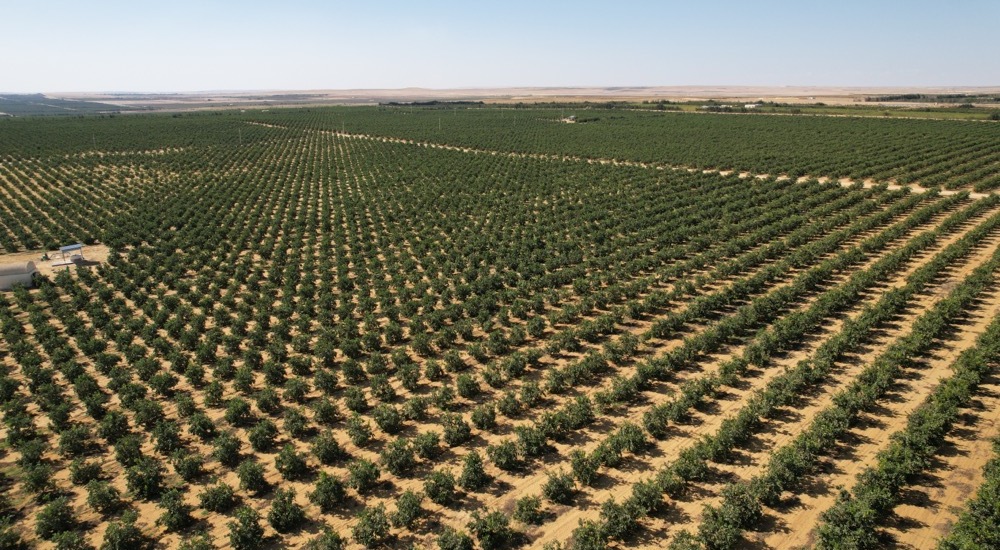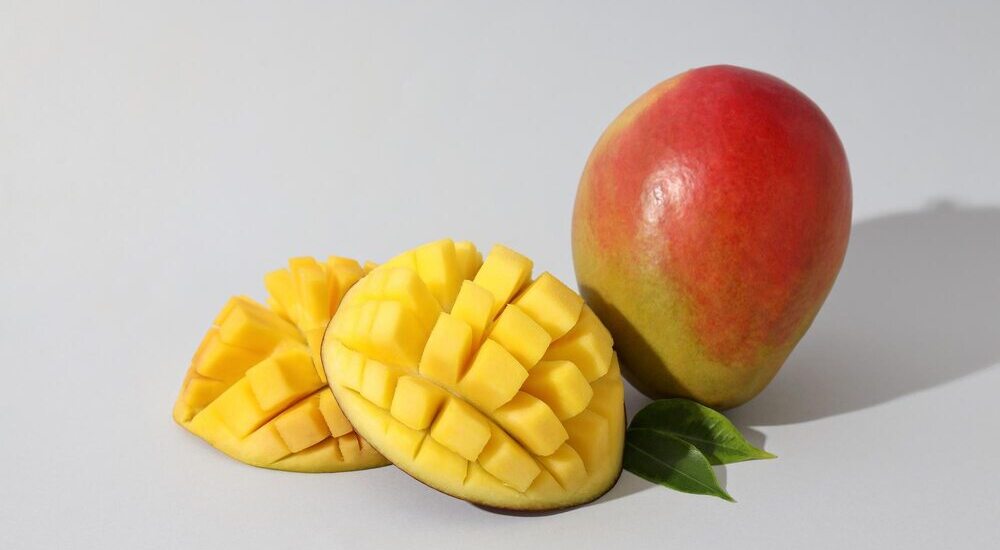
Mangoes, known as the “king of fruits” for good reason, are juicy, luscious, sweet, and full of sunshine—they would surely be the fruit of choice if summer had a delectable flavour. Its aromatic flavor and sunshine-like colour amaze everyone. This fruit makes people all over the world, whether they are enjoying a bowl of spicy raw mango pickle, a perfectly ripe Alphonso, or a glass of ice-cold mango juice.
People of all ages have long loved mangoes as a summertime treat. They have a rich history, amazing health benefits, and cultural significance, making them more than just a seasonal treat. The true query, though, is where we can find these delicious fruits without sacrificing their flavour or health advantages. That’s where NRTC comes in; it is a key food distribution brand in the sector, especially for businesses and grocery stores seeking bulk and organic mango supplies.
Now, let’s peel back the layers of the mangos and explore the world of mangos, along with their benefits, and why you should choose NRTc to get delicious mangos.
A Rich Slice of History
This fruit has a 4,000-year history and originated in the Indian subcontinent. It has been recorded in ancient sources as being loved by emperors and shared with saints. Over the ages, the mango seed moved around the world via trade routes, eventually taking root in tropical and subtropical regions in Africa, Asia, and the Americas.
Mangoes are now grown in more than 100 countries, with India still the leading producer. Famous kinds include Alphonso, Kesar, Langra, Dasheri, and Totapuri. They are popular on the market due to their flavor, texture, and fragrance.
The Many Faces of Mango
Mangoes come in a variety of sizes and flavors. Here are a few notable varieties:
- Alphonso (Hapus), it’s rich, creamy, and extremely sweet, and honestly, it’s a genuine delicacy.
- Kesar is bright orange pulp with a tangy flavor, and it is ideal for preparing sweets.
- Totapuri is well-known for its tanginess and is commonly used in juices and pickled vegetables.
- Langra is a juicy and aromatic variety and is highly popular in Northern India.
- Chaunsa mango, originating from Pakistan, is renowned for its golden yellow skin, intense sweetness, captivating aroma, and nearly fiberless flesh.
- Sindhri mango, also from Pakistan and often referred to as the “Honey Mango,” is prized for its delightful sweetness, bright yellow skin, and impressive shelf life, making it highly favored for export.
- Taimoor mango, a popular variety from Yemen, features a soft, creamy texture and rich natural sweetness.
- Rumani mango, another Yemeni variety, is celebrated for its excellent flavor and juicy texture, earning it the nickname “ice-cream mango.”
These kinds are in high demand in the hospitality, retail, and food and beverage industries, in addition to being sold for consumption. This is where NRTC makes a difference.
Why NRTC Is the Go-To for Wholesale Mangoes
If you need high-quality mangoes in bulk, NRTC offers one of the most reliable supply chains in the Middle East and outside. With over 50 years of experience in the fresh produce industry, NRTC sources mangoes from respected farms in India, Pakistan, Egypt, and around the world, ensuring freshness and consistency.
Whether you’re a wholesaler, restaurant, or grocery chain, NRTC delivers:
- Hand-picked, seasonal mango variety
- Strict quality control and clean packing
- Cold-chain logistics ensure maximum freshness
- Daily imports are needed to meet large-scale demand
Their dedication to quality and close contacts with producers make them an ideal partner for any fresh fruit business.
Health Benefits in Every Bite
Mangoes aren’t just tasty; they’re also nutritious. One cup of mango provides:
-
Improves your gut health
Fibre is the most important component in the human body, and mangoes are among the best sources. This fruit contains both soluble and insoluble fibre. Let’s understand these terms first. Soluble is a type of fibre that is a plant-based carbohydrate and that cannot be digested, and the latter does not break down in your digestive tract, adding weight to your stool, making it softer and more readily digested.
A high-fiber diet is gaining popularity because it effectively treats constipation and bloating, and the fiber feeds your friendly gut bacteria, improving digestion and maintaining a balanced gut microbiome. -
Supports eye and skin health with vitamin A
Vitamin A, as we all know, is an important nutrient for keeping clear vision, especially in low light. It contributes to the production of rhodopsin, a pigment required by your eyes to see clearly in low light. Without enough Vitamin A, you may have difficulty seeing at night or feel eye dryness and discomfort. Mangoes are high in this vital nutrient, which aids in protecting the surface of your eyes (the cornea) and keeps them moist and functioning properly. So, every luscious bite of mango not only tastes good, but also promotes healthy, sparkling eyes.
-
Promotes Cell Repair with Folate
Mangoes are high in folate (vitamin B9), a nutrient that is important for cell growth and repair. It is primarily for pregnant women because it promotes healthy fetal growth. Even after pregnancy, folate helps red blood cell production and DNA synthesis. Mangoes can help increase cell function.
-
Boost hair and skin health
Vitamins A, C, and E are antioxidants that are vital for healthy hair and skin. These vitamins aid to protect your skin from environmental damage. Many skin care products include these vitamins, which can be useful when applied directly to the skin. However, you require these nutrients in your diet, which mangoes supply.
Vitamins A, C, and E are vital elements for good skin, but they are best obtained from whole foods rather than supplements. High dosages of these vitamins from supplements can be dangerous and interact with medications. They also take longer to break down in the body and are less well absorbed as supplements. Eating mango gives you a healthy dosage of essential nutrients without the risk of taking pills.
-
Combats inflammation with powerful antioxidants
Mangiferin, a unique antioxidant found in both the fruit and the seed, is one of mango’s less well-known components. The compound has been found to lower inflammation, protect against oxidative stress, and enhance liver function. Mangoes help your body manage stress and stay balanced.
-
Promotes heart and brain health
Mangoes are rich in minerals like potassium and magnesium, which help manage blood pressure. Meanwhile, antioxidants promote brain function and protect against aging and oxidative damage. It’s no wonder that this fruit is popular all over the world, not only for its taste but also for the health benefits it provides.
Final Thoughts
Mangoes have been a popular fruit since ancient times and remain so today. Because of its distinct flavor and aroma, cultural diversity, and nutritional value, this fruit is among the most popular in the world. When it comes to choosing the best mangoes for your house or business, NRTC is the premier wholesale mango supplier. With a tradition of freshness and a commitment to quality, NRTC guarantees that every mango you buy is full of flavor, nutrition, and trust.