Top Health Benefits of Pomegranate: Why This Superfruit Belongs in Your Daily Diet

pomegranate

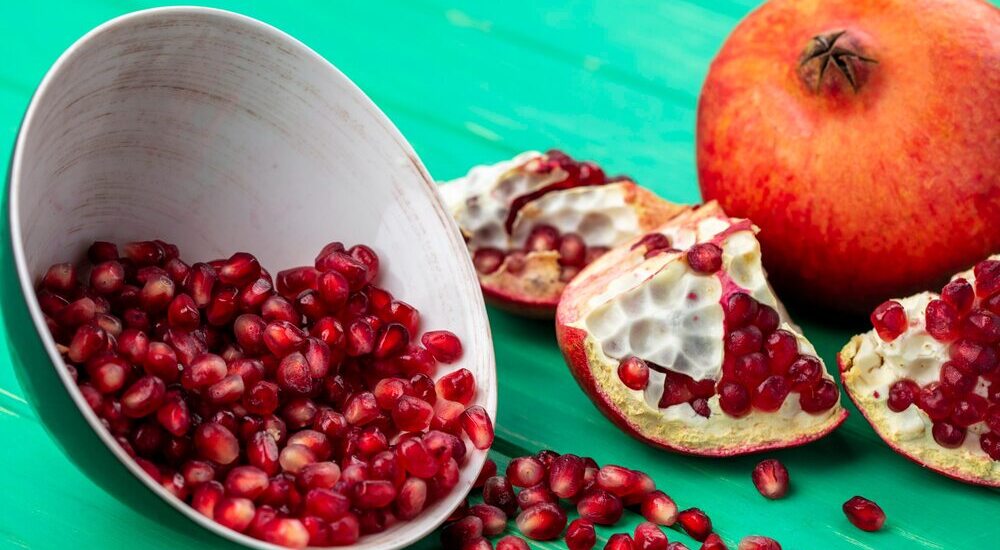
Nutritious food is a crucial component of a healthier lifestyle. The trick, however, is to make healthy eating choices. Always remember to listen to your body and eat mindfully. Some foods are truly remarkable in every way, like the pomegranate, with its bursting crimson seeds and nutritional bounty. It’s more than just a gorgeous fruit; it’s packed with nutrients.

One pomegranate provides more than 40% of your daily vitamin C needs, and it’s rich in antioxidants. Moreover, it is an essential supplement for everyone aiming to support their immunity and reduce oxidative stress, and live a healthier life. Now let’s take a look at the great reasons for gorging on this amazing fruit!

A Nutritional Powerhouse

To begin with, these lovely little fruits are low in calories and fat, yet packed with essential vitamins and minerals. They are loaded with fibre, vitamins, and minerals and are that healthy boost without the guilt!

Rich in Antioxidants

But the central magic of the pomegranate lies in its striking colour, which actually talks about the presence of high antioxidants. Your body’s armor, punicalagins, anthocyanins, and hydrolyzable tannins. These powerful compounds get to work, shielding your cells from the harm caused by free radicals, unstable molecules that contribute to aging and some chronic diseases. Pomegranates mitigate these health hazards and keep the disease away, to keep your cells healthy!

Anti-inflammatory properties

Pomegranates are well-known for their anti-inflammatory and antioxidant benefits. Chronic inflammation is a stealthy enemy, often lurking behind life-threatening diseases such as heart disease, type 2 diabetes, and some cancers. Studies have shown that pomegranates can lower inflammation, so they might be a natural and tasty way to defend your long-term health.

Anticancer properties

According to the latest research, pomegranates may have powerful anticancer properties (Source: https://www.intechopen.com/chapters/76671). While further research is needed, preliminary results suggest that they can slow tumour growth and prevent cancer cells from spreading. This intriguing field of research demonstrates that this fruit has an exciting future in modern medicine.

Heart Health Hero

Your heart will thank you for adding pomegranates to your diet. They are known to promote cardiovascular health by reducing blood pressure, which is a key component in heart disease prevention. They can help prevent plaque buildup in the arteries, allowing your circulatory system to operate more efficiently.

Supporting Urinary and Oral Health

Pomegranates are a wonderful natural remedy for kidney stones. The fruit’s distinctive nature can aid in the prevention of painful stones and boost urinary tract health. Pomegranates are high in microbial activity. They include natural antibacterial properties that actively attack harmful microbes. This makes them especially beneficial for oral hygiene, as they attack bacteria that cause bad breath and tooth decay.

Boosting Performance and Brain Power

If you are an athlete or simply want to improve your physical performance, pomegranate should be your go-to choice. According to research, they can improve exercise endurance and post-workout recovery, allowing your body to heal faster and stronger. Furthermore, ellagitannins in pomegranates assist both your body and your brain. These chemicals have the potential to improve brain function and protect against neurological disorders like Alzheimer’s and Parkinson’s.

Digestive Aid

Finally, do not underestimate the digestive health benefits. Pomegranates, with their high fiber content, promote gut health by promoting the growth of beneficial bacteria, resulting in improved digestion and overall gut wellness.

So, the next time you see this exquisite fruit, realize it’s more than just a delicacy. The pomegranate shows nature’s incredible ability to pack major health benefits into a single, attractive package. It has grown in prominence over time, from ancient rituals to modern research. Include this ruby jewel in your diet, and it will improve your health and lead to a better life.

Top 08 Reasons To Have More Vegetables and Fruits

vegetable and fruits

The way we eat has changed drastically, and along with it, the emergence of lifestyle diseases has also increased. The food we are eating now is filled with preservatives, chemicals, and harmful additives that not only make us weaken our immune system but also bring in number of health complications.

And now the only way to maintain a healthy lifestyle is to have a healthy diet, and one factor to note is that today eating healthy has become one of the things among best things to keep us healthy, wired, right?  The impact of poor food habits on our well-being is terrifying. Obesity, heart disease, diabetes, and other metabolic diseases have been rapidly increasing in recent years, which comes as no surprise.

The list of diseases just keeps growing, and if we don’t want to find ourselves added to that list, it’s time to start aligning our diet with nature. That means making room for more vegetables and fruits in the meals we have every day, simple, wholesome food that the human bodies crave.

You’re probably thinking, Why should one have more vegetables and fruits to be healthy? Don’t worry; we’ve got you covered. We’ve compiled a list of the top ten reasons why incorporating fruits and vegetables into your daily diet is one of the best things you can do for your health.

  • 1. Vegetables and fruits are a great source of vitamins and minerals

    All the vegetables and fruits are usually loaded with vitamins like A, C, and E they also come with magnesium, zinc, phosphorus, and folic acid. One of the most important minerals for your health is potassium, and avocados, sweet potatoes, bananas, prunes, and even tomato paste puree are a great source of this mineral.

    Vitamin A is an essential nutrient content which is essential for vision, immunity, and skin health. Rich fruits and vegetables include carrots, sweet potatoes, spinach, kale, red bell peppers, pumpkin, mangoes, cantaloupe, watermelon, apricots, and papaya.

    Furthermore, fruits and vegetables are high in vitamins and minerals, dietary fiber, and a variety of beneficial non-nutrient substances such as plant sterols, flavonoids, and other antioxidants, and eating a variety of fruits and vegetables helps to ensure that you get enough of many of these essential nutrients.

  • 2. Protect against cancer and reduce the risk of non-communicable diseases

    Many vegetables and fruits include phytochemicals, which are biologically active substances that may help protect against some diseases. This means that including them in your diet can reduce your risk of type 2 diabetes, stroke, heart disease, high blood pressure, and cancer. Cruciferous vegetables, such as broccoli, cabbage, collards, and watercress, are linked to lower cancer risk.

    Reduced fruit and vegetable consumption is associated with poor health and an increased risk of noncommunicable diseases (NCDs). According to the World Health Organization, as of August 2023, 3.9 million deaths worldwide in 2017 were due to poor fruit and vegetable consumption.

    Having fruits and vegetables as a part of a daily diet can reduce the risk of NCDs like cardiovascular diseases and certain types of cancer (Source: https://www.wcrf.org/preventing-cancer/topics/fruit-vegetables-and-cancer/). Reports suggest that when consumed as part of a healthy diet low in fat, sugar, and sodium, fruits and vegetables also help to prevent weight gain and reduce the risk of obesity, an independent risk factor for NCDs.

  • 3. Offers a range of flavors and textures

    One of the best things about these plant-based foods is that they have an incredible variety, not just in nutritional value and color, but also come with a lot of flavor and texture. You can experiment with bold flavors like onions, olives, and peppers, as well as gentler ones like mushrooms and corn. Fruits such as pineapple, grapes, and plums are ideal for sweet flavors, whilst lemons and grapefruits are more acidic.

    Even the textures of them vary, for example crunchy carrots, buttery an creamy avocados, aromatic bananas, and chewy dried fruits, all of these varieties not only keep your meal exciting but also aid you in enjoying healthy eating without compromising on the flavor.

  • 4. Fibre-rich food item

    Fiber is essential for your body’s health and function. It aids digestion by keeping things moving through your gut, so preventing constipation and promoting overall digestive health. Fiber also benefits heart health by lowering cholesterol levels and controlling blood sugar increases. Furthermore, it keeps you fuller for longer, which can be really beneficial if you’re trying to lose weight. A fiber-rich diet isn’t only beneficial for your gut; it’s a little change that has a tremendous impact on your whole body.

    Most fruits and vegetables include plenty of fiber to keep you full and promote a healthy gut, but some have more than others. Fiber-rich veggies include artichokes, green peas, broccoli, and cauliflower. Raspberry, pear, apple, and pumpkin are all high-fiber fruits.

  • 5. Low in calories & fat, and Low in sodium and cholesterol

    Fruits and especially vegetables are very low in fat and calories, which means you can consume them to keep you full without worrying about extra calories or fat. You can save more than 150 calories just by eating a swap of potato chips with air-popped popcorn, instead of having a bag full of potato chips, as they give you the same number of calories and feel much fuller because of the fiber content. You can save more than 200 calories by eating half a cup of grapes instead of a fourth of a cup of M&Ms, or you can just choose bananas over a granola bar. That said, there are exceptions, like avocados, olives, and coconuts.

    Fresh vegetables and fruits contain traces of salt. Many people believe celery is heavy in sodium, yet one stalk has only 30mg, which accounts for 1% of the necessary daily need. Fruits and vegetables do not contain any cholesterol.

  • 6. Smoothie Options

    If you have a blender, all you need is fruit and ice to create a wonderful smoothie with all of your favorite flavors. And to note beyond the taste, smoothies come with a bunch of health benefits, and they are a smart way to increase your vegetable and fruit intake, especially if you’re not a great fan of eating them whole.

    While a smoothie is rich in fibre, antioxidants, and essential vitamins, and can also support energy, digestion, or even weight management. A 2024 peer-reviewed study published in the American Journal of Health Promotion indicated that those who drank smoothies regularly (at least 1-2 servings per week) were more likely to satisfy their fruit and vegetable intake guidelines. These people also had healthier lifestyles—they were more physically active, ate fewer processed foods, ate less meat, and had better weight results.

    Smoothies, whether made with berries, bananas, mangoes, or even a handful of spinach, are a quick, nutritious victory!

  • 7. Vegetables and fruits help you maintain good health

    Fruits and vegetables, which are low in saturated fat, salt, and sugar, are part of a well-balanced diet that can help you lose or maintain your weight. Furthermore, they can help you reduce inflammation, cholesterol, and blood pressure.

    Health Benefit Fruits  Vegetables
    Reduce Inflammation 1. Blueberries – High in antioxidants

    2. Oranges – Rich in vitamin C and flavonoids

    3. Pineapple – Contains bromelain, a natural anti-inflammatory enzyme

    4. Cherries – Especially tart cherries, help lower inflammatory markers

    5. Grapes – Rich in resveratrol, a powerful anti-inflammatory compound

    1. Spinach – Loaded with antioxidants and vitamin K

    2. Broccoli – Contains sulforaphane, a strong anti-inflammatory agent

    3. Kale – Packed with vitamin C and anti-inflammatory properties

    4. Beets – Contain betalains, known to reduce inflammation.

    5. Red cabbage – Rich in anthocyanins that help fight inflammation

    Lower Cholesterol 1. Apples – Contain pectin, a soluble fiber that lowers LDL

    2. Avocados – High in heart-healthy monounsaturated fats

    3. Grapes – Contain compounds that may lower LDL cholesterol

    4. Berries – Help improve blood lipid profiles

    5. Pears – High in fiber, which helps remove cholesterol from the body

    1. Okra – Contains mucilage that binds cholesterol

    2. Eggplant – Rich in fiber and antioxidants

    3. Brussels sprouts – Contain plant sterols and fiber

    4. Carrots – Help lower LDL levels naturally

    5. Sweet potatoes – Rich in fiber and potassium

    Lower Blood Pressure 1. Bananas – High in potassium, which balances sodium

    2. Kiwi – Contains potassium and antioxidants

    3. Pomegranates – Improve arterial function and reduce systolic pressure

    4. Watermelon – It contains citrulline, which relaxes blood vessels

    5. Oranges – Loaded with potassium and vitamin C

    1. Celery – Contains phthalides that help relax artery walls

    2. Leafy greens – High in potassium and magnesium

    3. Tomatoes – Rich in potassium and lycopene

    4. Beets – Contain nitrates that lower blood pressure

    5. Garlic – Helps relax blood vessels and improve circulation

  • 8. Fresh, frozen, canned, or dried—they’re all healthful

    Finding time to eat healthy in today’s hectic lifestyle might be difficult. That’s why many of us prefer canned, frozen, or even dehydrated fruits and vegetables—they’re convenient and simple to store. While fresh produce is usually a good choice, the nutritional differences between fresh, frozen, and canned foods are often small. In reality, most frozen and canned foods are processed within hours of harvest, helping to preserve their nutrition and flavor. So, whether it’s new off the shelf or straight from the freezer, you can enjoy the health advantages without sacrificing time.

    Vegetables and fruits are the best way to maintain a healthier lifestyle and to eat what makes you happy. It’s just the basic understanding of what each variety has to offer, and coming up with dishes that actually work for you, it’s putting in effort, but a healthier one.

Why Mango is the King of Fruits & How It Benefits Your Health

Mango

Mangoes, known as the “king of fruits” for good reason, are juicy, luscious, sweet, and full of sunshine—they would surely be the fruit of choice if summer had a delectable flavour. Its aromatic flavor and sunshine-like colour amaze everyone. This fruit makes people all over the world, whether they are enjoying a bowl of spicy raw mango pickle, a perfectly ripe Alphonso, or a glass of ice-cold mango juice.

People of all ages have long loved mangoes as a summertime treat. They have a rich history, amazing health benefits, and cultural significance, making them more than just a seasonal treat. The true query, though, is where we can find these delicious fruits without sacrificing their flavour or health advantages. That’s where NRTC comes in; it is a key food distribution brand in the sector, especially for businesses and grocery stores seeking bulk and organic mango supplies.

Now, let’s peel back the layers of the mangos and explore the world of mangos, along with their benefits, and why you should choose NRTc to get delicious mangos.

A Rich Slice of History

This fruit has a 4,000-year history and originated in the Indian subcontinent. It has been recorded in ancient sources as being loved by emperors and shared with saints. Over the ages, the mango seed moved around the world via trade routes, eventually taking root in tropical and subtropical regions in Africa, Asia, and the Americas.

Mangoes are now grown in more than 100 countries, with India still the leading producer. Famous kinds include Alphonso, Kesar, Langra, Dasheri, and Totapuri. They are popular on the market due to their flavor, texture, and fragrance.

The Many Faces of Mango

Mangoes come in a variety of sizes and flavors. Here are a few notable varieties:

  • Alphonso (Hapus), it’s rich, creamy, and extremely sweet, and honestly, it’s a genuine delicacy.
  • Kesar is bright orange pulp with a tangy flavor, and it is ideal for preparing sweets.
  • Totapuri is well-known for its tanginess and is commonly used in juices and pickled vegetables.
  • Langra is a juicy and aromatic variety and is highly popular in Northern India.
  • Chaunsa mango, originating from Pakistan, is renowned for its golden yellow skin, intense sweetness, captivating aroma, and nearly fiberless flesh.
  • Sindhri mango, also from Pakistan and often referred to as the “Honey Mango,” is prized for its delightful sweetness, bright yellow skin, and impressive shelf life, making it highly favored for export.
  • Taimoor mango, a popular variety from Yemen, features a soft, creamy texture and rich natural sweetness.
  • Rumani mango, another Yemeni variety, is celebrated for its excellent flavor and juicy texture, earning it the nickname “ice-cream mango.”

These kinds are in high demand in the hospitality, retail, and food and beverage industries, in addition to being sold for consumption. This is where NRTC makes a difference.

Why NRTC Is the Go-To for Wholesale Mangoes

If you need high-quality mangoes in bulk, NRTC offers one of the most reliable supply chains in the Middle East and outside. With over 50 years of experience in the fresh produce industry, NRTC sources mangoes from respected farms in India, Pakistan, Egypt, and around the world, ensuring freshness and consistency.

Whether you’re a wholesaler, restaurant, or grocery chain, NRTC delivers:

  • Hand-picked, seasonal mango variety
  • Strict quality control and clean packing
  • Cold-chain logistics ensure maximum freshness
  • Daily imports are needed to meet large-scale demand

Their dedication to quality and close contacts with producers make them an ideal partner for any fresh fruit business.

Health Benefits in Every Bite

Mangoes aren’t just tasty; they’re also nutritious. One cup of mango provides:

  1. Improves your gut health

    Fibre is the most important component in the human body, and mangoes are among the best sources. This fruit contains both soluble and insoluble fibre. Let’s understand these terms first. Soluble is a type of fibre that is a plant-based carbohydrate and that cannot be digested, and the latter does not break down in your digestive tract, adding weight to your stool, making it softer and more readily digested.
    A high-fiber diet is gaining popularity because it effectively treats constipation and bloating, and the fiber feeds your friendly gut bacteria, improving digestion and maintaining a balanced gut microbiome.

  2. Supports eye and skin health with vitamin A

    Vitamin A, as we all know, is an important nutrient for keeping clear vision, especially in low light. It contributes to the production of rhodopsin, a pigment required by your eyes to see clearly in low light. Without enough Vitamin A, you may have difficulty seeing at night or feel eye dryness and discomfort. Mangoes are high in this vital nutrient, which aids in protecting the surface of your eyes (the cornea) and keeps them moist and functioning properly. So, every luscious bite of mango not only tastes good, but also promotes healthy, sparkling eyes.

  3. Promotes Cell Repair with Folate

    Mangoes are high in folate (vitamin B9), a nutrient that is important for cell growth and repair. It is primarily for pregnant women because it promotes healthy fetal growth. Even after pregnancy, folate helps red blood cell production and DNA synthesis. Mangoes can help increase cell function.

  4. Boost hair and skin health

    Vitamins A, C, and E are antioxidants that are vital for healthy hair and skin. These vitamins aid to protect your skin from environmental damage. Many skin care products include these vitamins, which can be useful when applied directly to the skin. However, you require these nutrients in your diet, which mangoes supply.

    Vitamins A, C, and E are vital elements for good skin, but they are best obtained from whole foods rather than supplements. High dosages of these vitamins from supplements can be dangerous and interact with medications. They also take longer to break down in the body and are less well absorbed as supplements. Eating mango gives you a healthy dosage of essential nutrients without the risk of taking pills.

  5. Combats inflammation with powerful antioxidants

    Mangiferin, a unique antioxidant found in both the fruit and the seed, is one of mango’s less well-known components. The compound has been found to lower inflammation, protect against oxidative stress, and enhance liver function. Mangoes help your body manage stress and stay balanced.

  6. Promotes heart and brain health

    Mangoes are rich in minerals like potassium and magnesium, which help manage blood pressure. Meanwhile, antioxidants promote brain function and protect against aging and oxidative damage. It’s no wonder that this fruit is popular all over the world, not only for its taste but also for the health benefits it provides.

Final Thoughts

Mangoes have been a popular fruit since ancient times and remain so today. Because of its distinct flavor and aroma, cultural diversity, and nutritional value, this fruit is among the most popular in the world. When it comes to choosing the best mangoes for your house or business, NRTC is the premier wholesale mango supplier. With a tradition of freshness and a commitment to quality, NRTC guarantees that every mango you buy is full of flavor, nutrition, and trust.

NRTC Food Holding Acquires ‘Al Hashemeya Farms’ in Egypt

al hashemeya farms egypt

In a bold move that redefines the future of agricultural supply in the GCC, NRTC Food Holding LLC, has officially acquired Al Hashemeya Farms, one of the largest privately managed agricultural estates in the Middle East. Situated in Egypt’s fertile Wadi El Natrun region, this acquisition marks a defining chapter in NRTC’s mission to strengthen food security, enhance produce quality, and secure sustainable, high-volume supply chains for the region.

A Landmark Move for the GCC’s Agri-Food Sector:

With the increasing pressures of climate change, rising populations, and supply chain disruptions, food security has become a central priority for governments and businesses across the Gulf Cooperation Council (GCC). NRTC’s acquisition of Al Hashemeya Farms reflects a strategic pivot toward upstream agricultural integration, allowing the company to gain greater control over its supply chains — from farm to fork.

Mohammed Al Refaee, CEO of NRTC, described the acquisition as a “pivotal milestone in our journey to control quality at the source, invest in food system resilience, and deliver fresher, better produce to our customers.”

This move is not just a business expansion — it’s a statement of intent, positioning NRTC as a vanguard of sustainable agricultural development in the region.

Al Hashemeya Farms: A Strategic Asset

Spanning approximately 10,000 acres, Al Hashemeya Farms represents a highly valuable and productive asset in NRTC’s portfolio. Currently, around 70% of the estate is under cultivation, featuring a rich and diverse array of crops such as citrus, olives, mangoes, grapes, dates, wheat, and sugar beet. The estate boasts over 2 million fruit trees, supported by modern agricultural technology, including center-pivot irrigation systems and solar-powered water infrastructure — a testament to sustainable farming in action.

With an annual yield capacity of up to 70,000 tonnes, the farm adds significant upstream muscle to NRTC’s distribution capabilities. More importantly, it allows NRTC to directly manage crop cultivation, reducing dependency on third-party suppliers and ensuring tighter quality control, better predictability in supply, and lower risk exposure to market fluctuations.

Vertical Integration: From Distributor to Producer

Traditionally known for its excellence in produce distribution, NRTC is now moving decisively into the production end of the agri-food value chain. This vertical integration gives the company end-to-end oversight of its operations — from planting and harvesting to distribution and retail.

The benefits are manifold:

  1. Quality Control: By managing farming operations directly, NRTC can ensure higher standards in food safety, freshness, and nutritional value.
  2. Supply Chain Resilience: In-house production reduces reliance on external suppliers, minimizing disruptions and bottlenecks.
  3. Cost Efficiency: Control over production allows better management of input costs, improving profitability and affordability for consumers.
  4. Food Security: A stable, self-reliant supply of fresh produce contributes to broader regional goals around food sovereignty and sustainability.

This move is not just about operational efficiency. It’s about creating a robust, resilient food ecosystem that can withstand external shocks — be it climate variability, trade restrictions, or geopolitical challenges.

A Broader Vision for Africa

While the acquisition of Al Hashemeya Farms is a significant milestone, it’s also a stepping stone toward broader ambitions. NRTC has confirmed that it is actively exploring further agri-investment opportunities across Africa, with a strategic focus on scalable, climate-resilient farming models.

These new investments aim to strike a balance between commercial viability, food security, and social development. Africa’s diverse agro-climatic zones offer enormous potential for crop cultivation, and NRTC is well-positioned to bring its expertise, infrastructure, and capital to develop these resources sustainably.

By partnering with local stakeholders and adopting regenerative practices, NRTC is looking to champion models that boost yields while conserving water, enhancing soil health, and uplifting rural communities.

Reinventing the Future of Fresh Produce in the GCC

In recent years, the GCC countries have accelerated efforts to strengthen domestic and regional food systems. Strategic investments in agriculture — both within and beyond borders — are critical to achieving these objectives. NRTC’s acquisition of Al Hashemeya Farms exemplifies this forward-thinking approach.

Through this landmark deal, NRTC is not only expanding its footprint — it’s setting a new standard for how food companies can contribute to regional resilience. From solar-powered irrigation systems to multi-crop diversification, the farm represents an ideal blend of tradition, technology, and sustainability.

Moreover, by controlling its supply chain from the ground up, NRTC can better respond to market demands, seasonal shifts, and evolving consumer preferences — offering fresher, safer, and more traceable produce to millions of customers across the GCC.

As global food systems encounter increasing challenges, companies like NRTC are taking the lead through bold and strategic investments. The acquisition of Al Hashemeya Farms is more than a corporate milestone — it is a commitment to sustainability, resilience, and regional food security.

With its eyes set firmly on the future, NRTC is sowing the seeds for a more secure and sustainable agri-food landscape — not just for the GCC, but for the wider region it serves.