Few countries understand the fragility of the global food system better than the UAE. Located in an arid region with scarce water and limited farmland, the Emirates has long relied on imports to feed its population.
Rather than treating that reliance as a weakness, the UAE has turned it into a strategic priority through bold policy, smart technology and long-term investment; the country is building a food system designed to withstand shocks, from supply chain disruptions to climate pressure.
Why Food Security Matters in the UAE?
Food security means more than full shelves. It means every resident has reliable access to safe, nutritious and affordable food, even when global markets are volatile or a crisis hits.
For the UAE, the stakes are high. The country imports the large majority of its food, so a disruption at a major shipping route or a spike in global prices can quickly reach households and businesses. Water scarcity adds further pressure, since conventional farming uses resources the region cannot easily spare. Rising temperatures and more extreme weather make traditional agriculture harder to sustain.
A resilient food system also supports the nation’s wider ambitions. It protects public health, stabilizes the economy and gives the country greater control over its future. As the UAE grows as a global hub for trade, tourism and innovation, a secure food supply is part of the foundation that makes that growth possible.
What Drives Food Security in the UAE
Several forces are shaping the UAE’s approach to food security:
- Strategic policy: National food security planning sets long-term goals for supply, sustainability and self-reliance.
- Technology and innovation: Controlled-environment agriculture, water-efficient irrigation and smart supply planning help produce more with less.
- Diversified sourcing: Trade partnerships across multiple regions reduce dependence on any single market or route.
- Cold chain infrastructure: Modern storage and refrigerated transport keep perishable food fresh from port to plate.
- Quality and traceability: International food safety standards and end-to-end tracking build consumer trust and protect public health.
How Can the UAE Ensure Food Security and Resilience?
Building resilience is an ongoing effort that brings government, industry and communities together. Four priorities stand out:
- Diversify supply: Spread sourcing across regions and maintain strong relationships with reliable international growers.
- Invest in storage and logistics: Large-scale cold storage and well-maintained refrigerated fleets protect produce during disruptions.
- Use water wisely: Expand water-efficient farming, recycling systems and controlled-environment agriculture.
- Reduce food waste: Better forecasting, handling and distribution keep more food reaching consumers instead of landfills.
How NRTC Group Is Driving This Change?
NRTC Group has been part of the UAE’s fresh food story for more than 50 years. Founded in 1973, the company has grown from a modest initiative into one of the Middle East’s leading importers and exporters of fresh fruits and vegetables. Its mission is to deliver the freshest, highest-quality produce while upholding strict hygiene standards and ethical practices.
Resilience is built into NRTC’s operations:
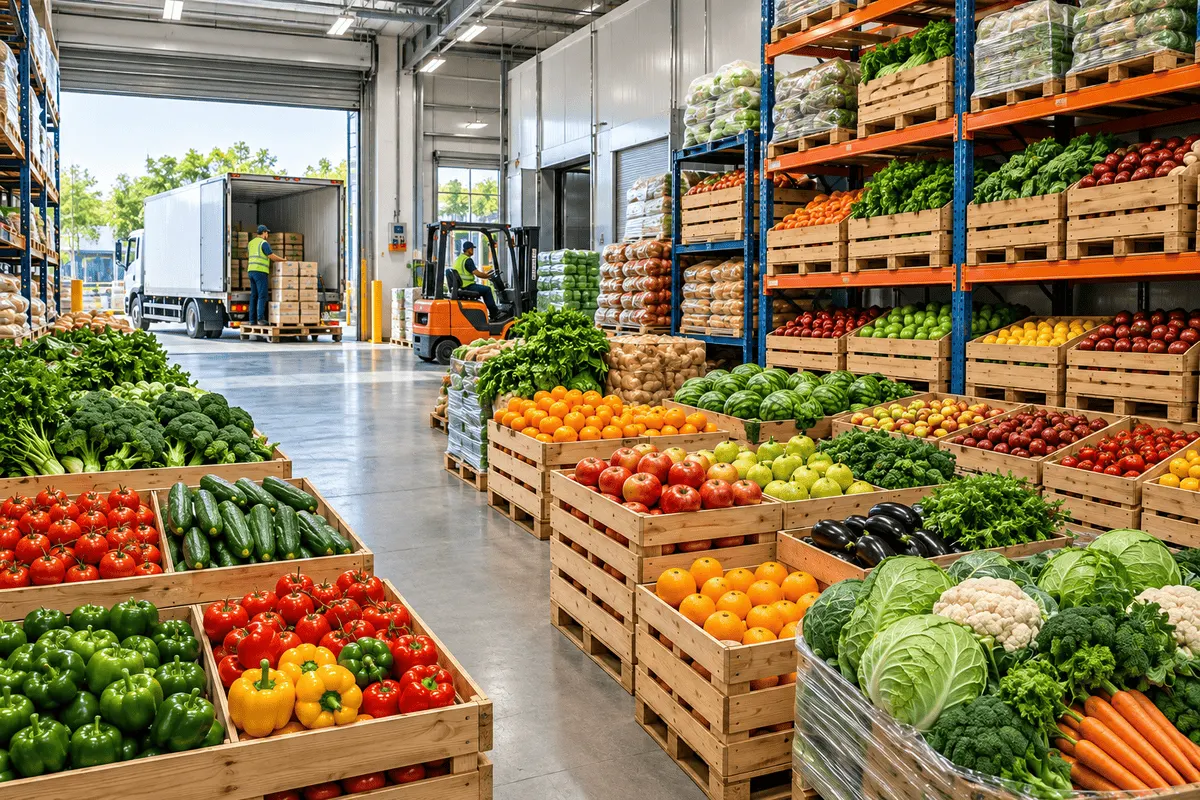
- World-class cold storage: A 100,000 sq ft facility in Nadd Al Hamar houses 35 international-standard cold rooms with a total capacity of 20,000 tonnes. It also features a water recycling system that supports sustainable operations.
- A large, compliant fleet: More than 300 municipality-approved, HACCP-calibrated chiller vehicles provide safe, efficient cold chain distribution across the region.
- Global sourcing: Produce is sourced through 55 exclusive global trading partners across the Middle East, Africa, Europe, Australia, North America and South Asia.
- Food safety and traceability: Operations follow ISO 22000 and HACCP principles, with traceability that tracks products through the supply chain.
- Serving the UAE’s most demanding clients: NRTC supplies five-star hotels, restaurants, catering companies, wholesalers, hypermarkets, supermarkets, hospitals and airlines.
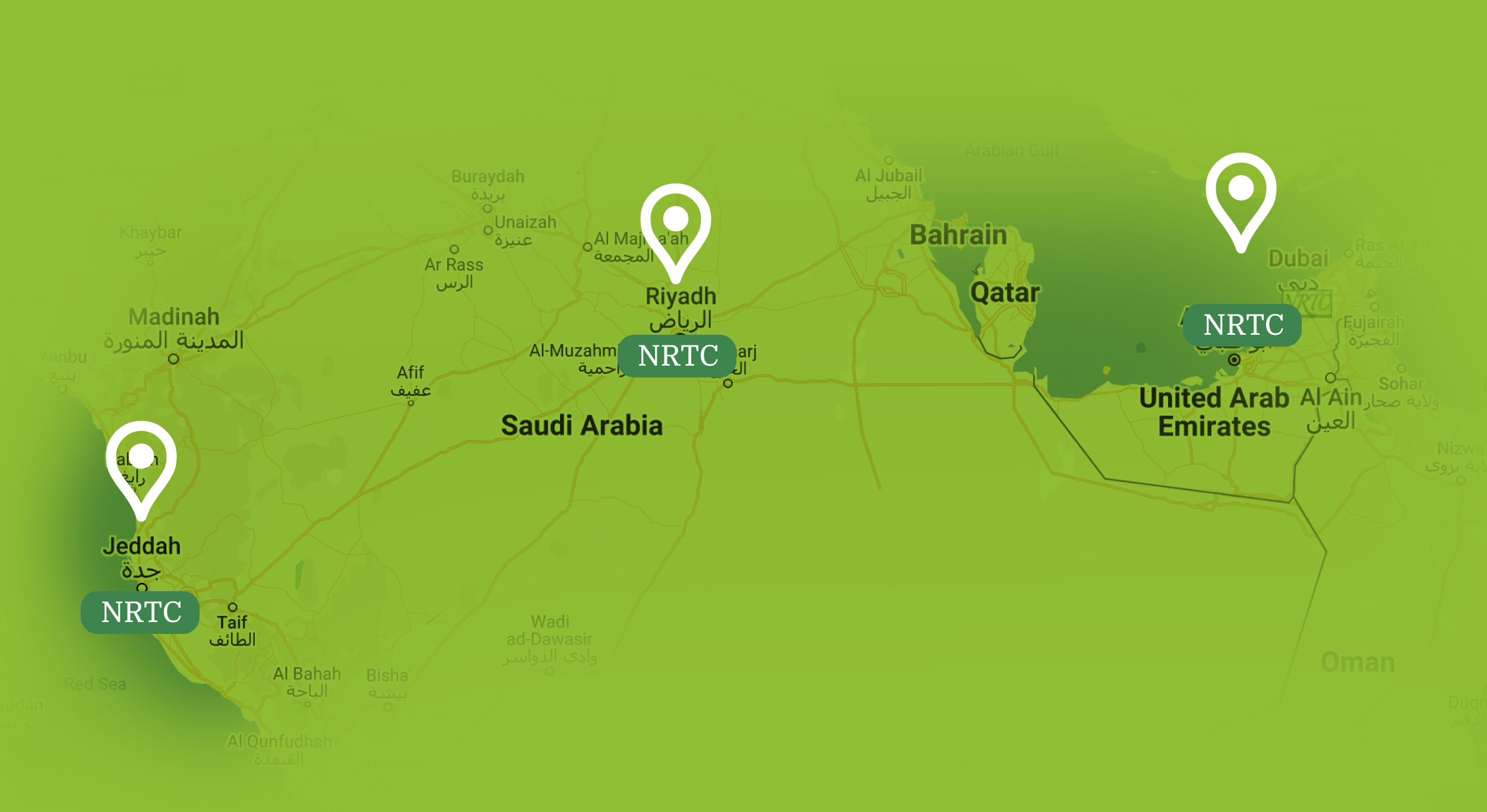
- Regional expansion: Branches in Abu Dhabi, Saudi Arabia and Lebanon, along with recent acquisitions in Egypt and the UAE, extend NRTC’s reach across the wider region.
With more than 1,000 employees across its companies, NRTC continues to invest in people, processes and infrastructure to keep fresh food reliable for the communities it serves.
Conclusion
The UAE is proving that a country with limited land and water can still build a secure, resilient food system. Strong policy, smart technology, diversified sourcing and world-class logistics are turning a long-standing vulnerability into a source of strength.
Companies like NRTC Group show how that vision works in practice, delivering fresh, safe and traceable produce from farm to table. Food security is not just a national goal; it is a daily commitment, and the UAE is leading from the front.