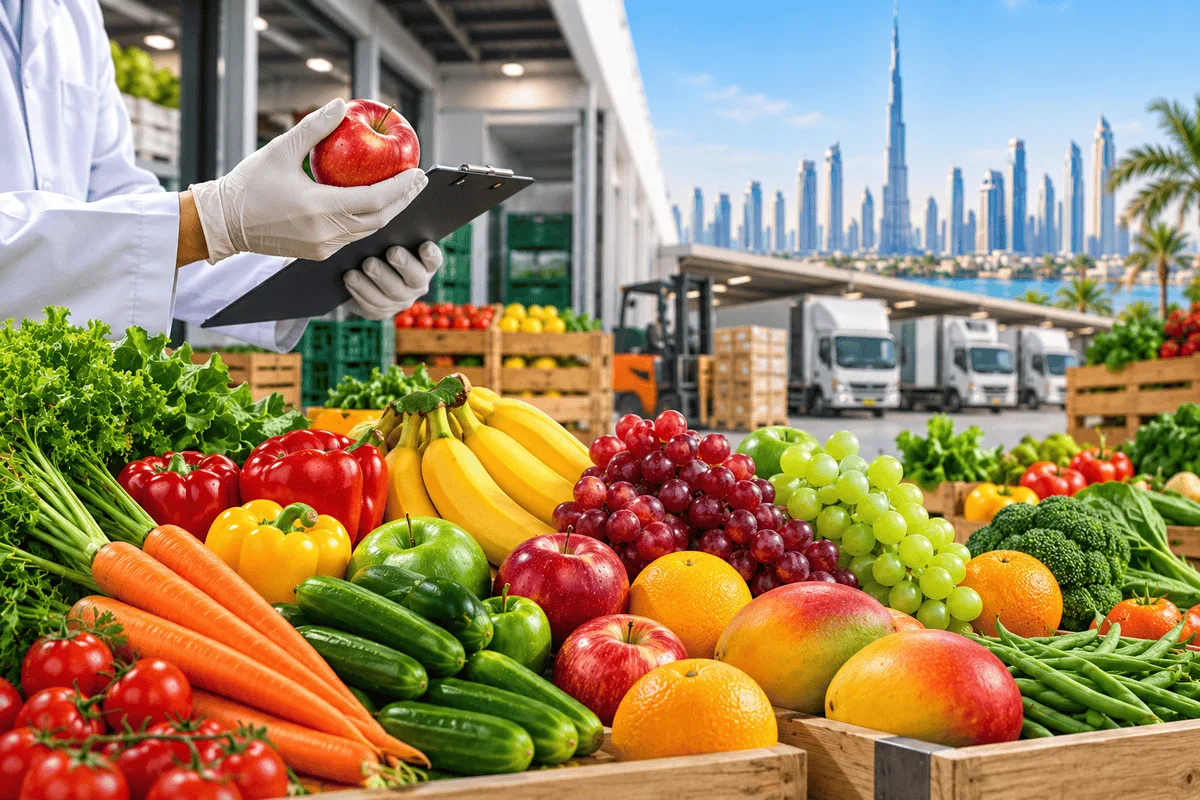
Ever picked up two bunches of grapes that looked nearly identical, only to have one taste noticeably better than the other? That difference usually isn’t random; it comes down to grading, a process most shoppers never see but that quietly decides what makes it to the “premium” shelf versus what gets sold at a discount.
Here’s a look at how that process actually works in the UAE, and why it matters more than most people realize.
What Does “Grading” Actually Mean?
Grading is essentially sorting produce into quality tiers based on a set of measurable characteristics: size, color, shape, firmness, and the presence (or absence) of blemishes and damage. It’s separate from food safety checks, which confirm produce is safe to eat; grading is about how good it is, not just whether it’s fine to consume.
In practice, this means a batch of mangoes arriving at a distribution center doesn’t just get one blanket label. Inspectors sort through it, pulling out fruit with bruising, irregular shape, or under-ripeness, and grouping the rest by size and visual quality. What ends up graded “premium” is typically uniform in appearance, free of surface damage, and at the right stage of ripeness for its shelf life.
The Factors That Go Into Grading
A few consistent criteria show up across most fruit and vegetable grading systems, regardless of the specific produce:
- Size and uniformity: consistent sizing within a batch, since mismatched sizes affect both cooking and shelf display.
- Color and ripeness: produce needs to hit the right color range for its variety and stage, not too green, not overripe.
- Firmness: texture is checked by hand or with light pressure tests, since firmness often signals freshness more reliably than color alone.
- Surface condition: cuts, bruises, insect damage, or mold immediately drop a batch to a lower grade.
- Shape: irregular or malformed produce (a lopsided pepper, a forked carrot) usually gets sorted separately, even if it’s perfectly edible.
Who Oversees This in the UAE?
Food quality and safety in the UAE fall under the Emirates Authority for Standardization and Metrology (ESMA), which sets national standards aligned with international frameworks like Codex Alimentarius, alongside local bodies such as Dubai Municipality, which inspects produce entering markets like the Dubai Central Market. Importers and suppliers are expected to meet HACCP (Hazard Analysis Critical Control Point) principles and, increasingly, ISO 22000 food safety standards; frameworks that cover everything from storage temperature to traceability, not just how produce looks on the outside.
That said, a lot of the finer-grained quality sorting- separating “good” from “excellent” happens at the supplier level, through internal quality control teams trained to apply consistent grading criteria before produce ever reaches a retailer.
How This Plays Out at NRTC
At NRTC, grading isn’t a single checkpoint; it’s built into the process from the moment produce arrives. Every batch goes through inspection by a dedicated quality control team, operating under ISO 22000 and HACCP principles, with a traceability system that tracks produce from source through to final delivery. That means if something doesn’t meet the standard, it’s identifiable and addressed early, not after it’s already reached a customer.
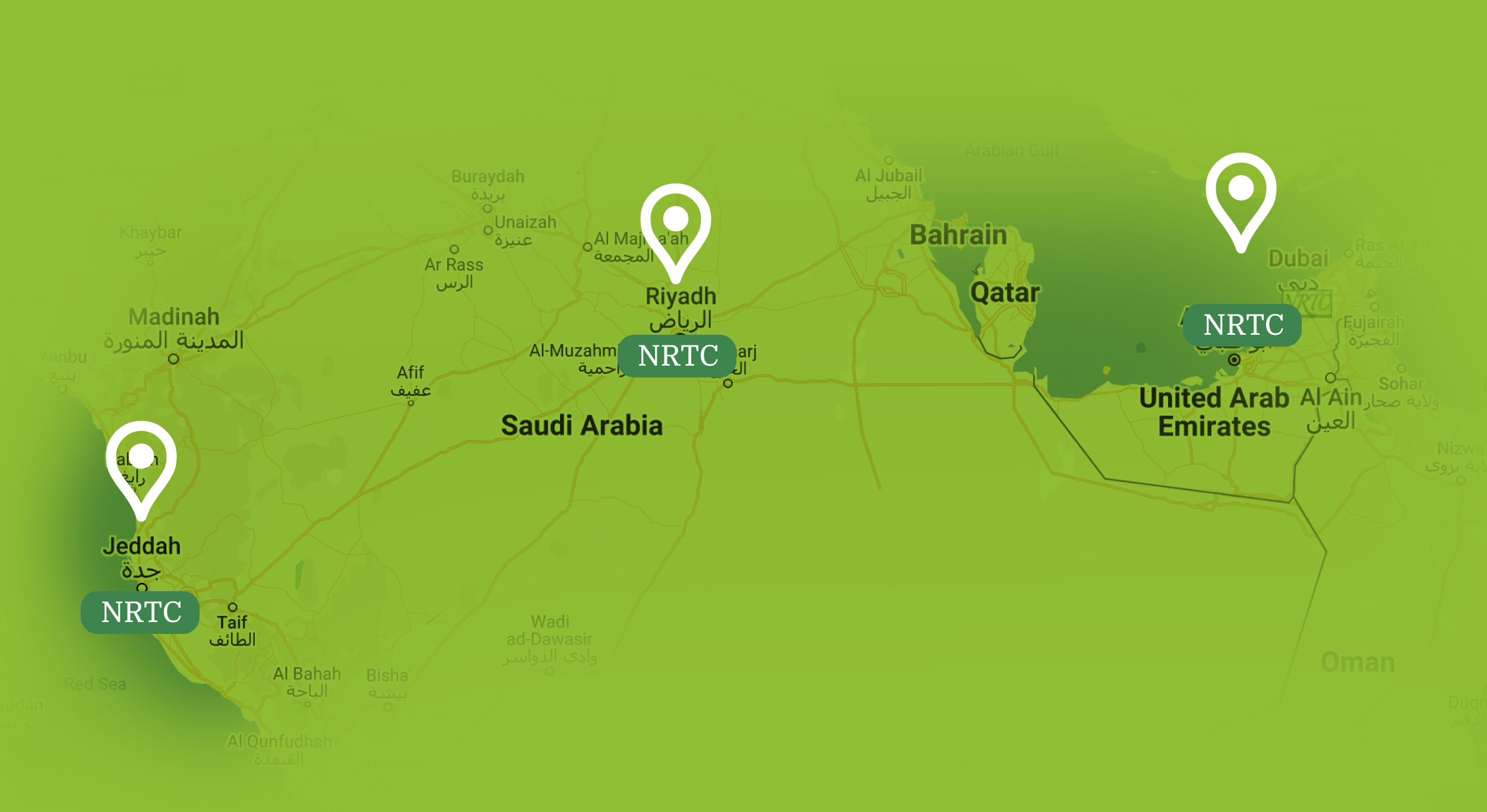
Storage plays a big role too. NRTC’s cold storage facility in Nadd Al Hamar houses 35 temperature and humidity-calibrated rooms, since grading a fruit as premium at intake means little if it isn’t stored correctly afterwards. Add a fleet of 300+ chiller-equipped delivery vehicles, and the grading standard holds all the way to the customer’s door, not just at the warehouse.
Conclusion
Grading is the invisible process behind every good (or disappointing) piece of produce you buy, a mix of visual inspection, ripeness checks, and consistent standards applied long before anything reaches a shelf. It’s not just about looks either; proper grading, paired with the right storage and handling, is what actually protects freshness and flavor. Understanding it makes it easier to appreciate why some suppliers consistently deliver better produce than others.
Want quality you can count on? For direct, single orders, shop at nrtcfresh.com. For bulk or business orders, get in touch through nrtcgroup.com.