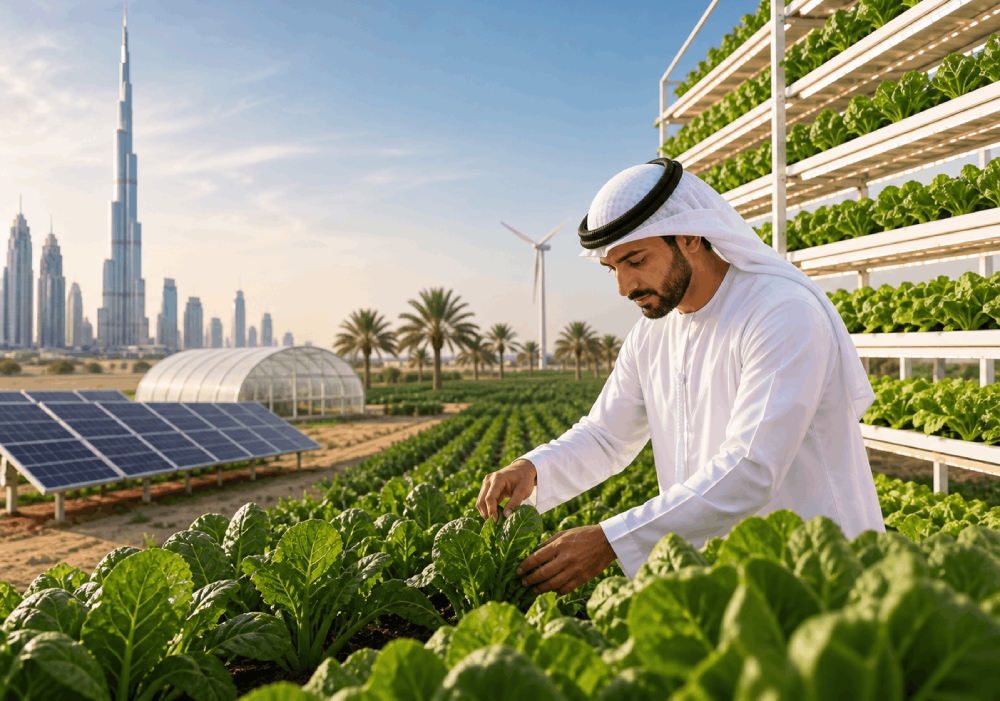
NRTC Group Strengthens Organic Food Leadership with Acquisition of Ripe Organic

NRTC Group Strengthens Organic Food Leadership with Acquisition of Ripe Organic

NRTC Group Strengthens Organic Food Leadership with Acquisition of Ripe Organic

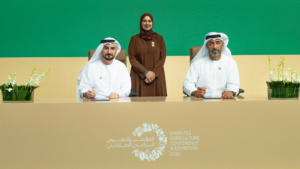
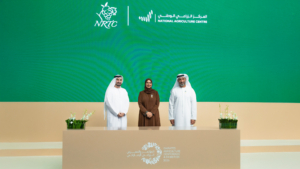
NRTC Group, a leading player in fresh produce sourcing, distribution, and farm-to-fork operations in the UAE and surrounding region, has announced its acquisition of Ripe Organic.

This homegrown organic food brand is recognized for its clean-label products and strong trust among consumers.

This acquisition is a major step in NRTC Group’s long-term growth plan. It will expand its presence in the growing organic and sustainable food market. 

It also reinforces the company’s commitment to food security, support for local agriculture, and high-quality products in retail, B2B, and e-commerce channels. 

Expanding the Organic Footprint in the UAE

As part of the agreement, NRTC Group has acquired the Ripe Organic brand along with its product range, trademark, and e-commerce assets. This integration allows NRTC to reach into the fast-growing organic and clean-label market. This segment is fueled by increasing demand for healthier, traceable, and sustainably sourced food.

With this acquisition, NRTC will work with over multiple local organic farms throughout the UAE. This effort strengthens its farm-to-fork network and provides a wider variety of organic fruits, vegetables, and grocery items to consumers while ensuring quality and traceability.

Enhancing Consumer Experience and Digital Reach

A central focus of the acquisition is to improve Ripe Organic’s digital and e-commerce capabilities. NRTC plans to upgrade the existing platform to provide:

  • Better user experience
  • Quicker fulfillment and delivery
  • Improved logistics integration
  • More home-delivery options

These upgrades aim to give customers in the UAE easy access to organic products, whether shopping online or through expanding retail networks.

Supporting Local Farms and Food Security

This acquisition also supports the UAE’s broader Food Security Strategy 2051, which emphasizes the need for resilient, sustainable, and diverse food supply chains. By enhancing relationships with local organic farms and incorporating them into NRTC’s logistics and distribution system, the Group helps boost agricultural collaboration and ensures long-term supply stability. 

Farmers will benefit from better demand planning, increased market access, and lasting commercial relationships. Retailers, HORECA partners, and digital commerce platforms will gain access to consistent quality standards and a larger selection of certified organic products.

Innovation and Future Growth

The acquisition opens up significant opportunities for innovation in the organic sector for NRTC Group. Future plans include:

  • Expanding organic fruits, vegetables, and grocery lines
  • Offering curated health boxes focused on wellness
  • Introducing subscription models for regular deliveries
  • Providing enhanced clean-label options to meet modern consumer preferences

These initiatives show NRTC Group’s goal to be at the forefront of changing food trends while also promoting sustainability, quality, and convenience for customers in the UAE and beyond.

A Win-Win for Consumers and the Ecosystem

For over a decade, Ripe Organic has promoted clean, sustainable, and healthy food choices for consumers in the UAE. Joining NRTC Group enables the brand to further this mission with enhanced operational scale, strong supply chain support, and bigger distribution reach.

From farm partnerships and digital commerce to retail and hospitality channels, this acquisition provides a complete upgrade in how organic products are sourced, delivered, and enjoyed. This change will benefit consumers, local farmers, and industry partners alike.

Looking Ahead

As NRTC Group brings Ripe Organic into its broader portfolio, the Group continues its commitment to sustainability, food resilience, and leadership in fresh and organic food markets. This strategic move not only meets consumer demand for healthier options but also strengthens the UAE’s food ecosystem, connecting commercial growth with national goals for a resilient and future-ready food system.

How Beneficial Are Organic Fruits and Vegetables?

How beneficial are organic fruits and vegetables?

How beneficial are organic fruits and vegetables?

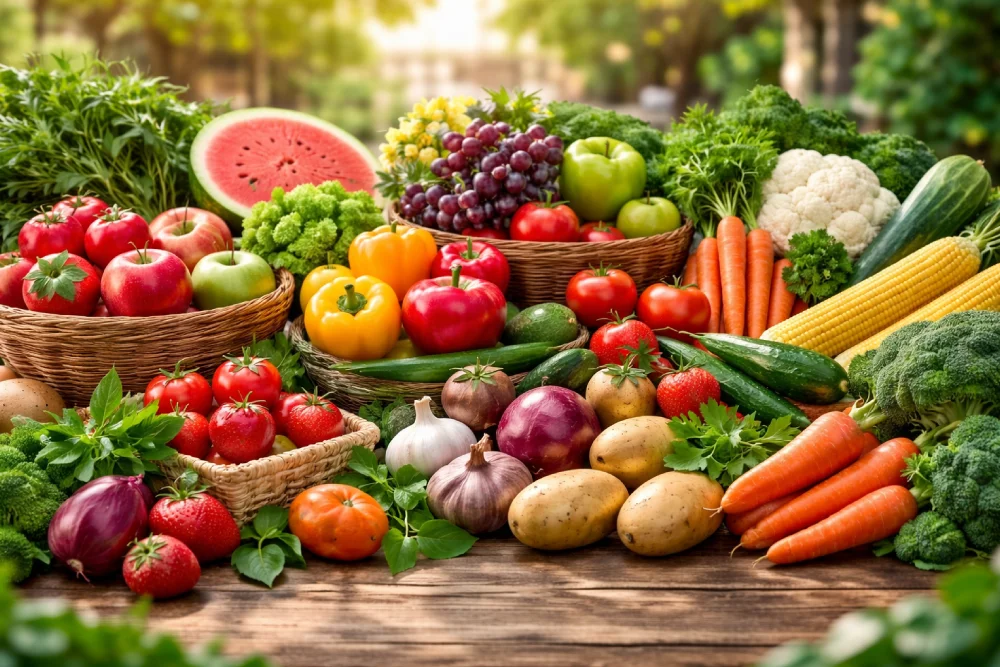
The organic food market has grown rapidly in recent years. More consumers are choosing organic fruits and vegetables at their local grocery stores. 

As health-conscious consumers deal with mixed messages and budget limits, it’s important to understand the real benefits of organic produce. Choosing to buy organic isn’t only about personal health; it also involves caring for the environment, supporting sustainable farming, and thinking about the long-term health of our food systems. 

But beyond the trend, what real benefits do these products offer? Let’s look at why choosing organic could be a good investment and what science says about these green-labelled products that have gained so much interest in the wellness community.

What Makes Produce Organic?

Organic fruits and vegetables are grown without synthetic pesticides, chemical fertilizers, or genetically modified organisms (GMOs). 

Farmers use natural methods like crop rotation, composting, and biological pest control to grow their crops. This approach focuses on soil health and protecting the environment.

1. Reduced Pesticide Exposure

One of the strongest reasons to choose organic fruits and vegetables is their lower pesticide residue. Conventional farming uses a lot of synthetic chemicals to manage pests and diseases. While these residues usually meet legal limits, organic produce shows much lower levels. 

This is especially important for children and pregnant women. Their developing systems are more sensitive to chemical exposure.

2. Higher Nutrient Density

Research suggests organic fruits and vegetables may have higher levels of certain nutrients. Studies have found more antioxidants, vitamin C, and beneficial minerals in organic produce compared to conventional types. 

These compounds are important for fighting inflammation and protecting against chronic diseases.

3. Better for the Environment

Choosing organic fruits and vegetables supports farming practices that help our planet. Organic farming improves soil quality, reduces water pollution, promotes biodiversity, and cuts carbon emissions. 

By avoiding synthetic chemicals, organic farms create healthier ecosystems for pollinators and wildlife.

4. Enhanced Flavor

Many people say that organic fruits and vegetables taste better. While this is a personal opinion, it may be due to slower growth rates and more diverse soil nutrients. 

This allows the produce to develop richer flavors and natural sweetness.

The Bottom Line

Organic fruits and vegetables offer real benefits that go beyond basic nutrition. They can reduce chemical exposure and may have more nutrients. Organic produce also brings important environmental advantages. Scientific research and common sense both support choosing organic. When you buy organic, you invest in your health and the planet’s health. You also support sustainable food systems for future generations.

However, organic options might not be available or affordable for everyone, and that’s okay. If budget is an issue, think about a mixed approach: focus on organic choices for items that usually have high pesticide levels, like strawberries, spinach, apples, grapes, and peaches. These are often called the “Dirty Dozen.” For produce with thicker skins or lower pesticide levels, such as avocados, onions, and pineapples, conventional options can save you money without sacrificing safety.

In the end, whether you go fully organic, choose some organic items, or stick with conventional produce, the key dietary choice is simply to eat more fruits and vegetables. The health benefits of a diet rich in produce far exceed the differences between organic and conventional farming methods. Don’t let the quest for perfection hold you back—any increase in colorful, nutrient-rich fruits and vegetables in your diet is a win for your health. Make choices that reflect your values, budget, and priorities, and remember that every good food choice adds to your overall wellness journey.


Why NRTC Group for Organic Fruits and Vegetables?

NRTC Group is a trusted name in fresh produce sourcing and distribution in the UAE. With a strong global network of certified organic farms, NRTC Group ensures a consistent supply of premium-quality organic fruits and vegetables that meet international food safety standards.

Key Advantages of Choosing NRTC Group

  • Sourcing from certified organic growers
  • Strict quality control and traceability
  • Advanced cold-chain logistics to maintain freshness
  • Reliable supply for restaurants, hotels, retailers, and food service businesses
  • Commitment to sustainability and food safety

By partnering with NRTC Group, businesses gain access to fresh, responsibly sourced organic fruits and vegetables delivered with consistency and care.

Rockit Rolls Into Riyadh: A Three-Store Activation with Spinney’s

Riyadh just got a little crunchier.

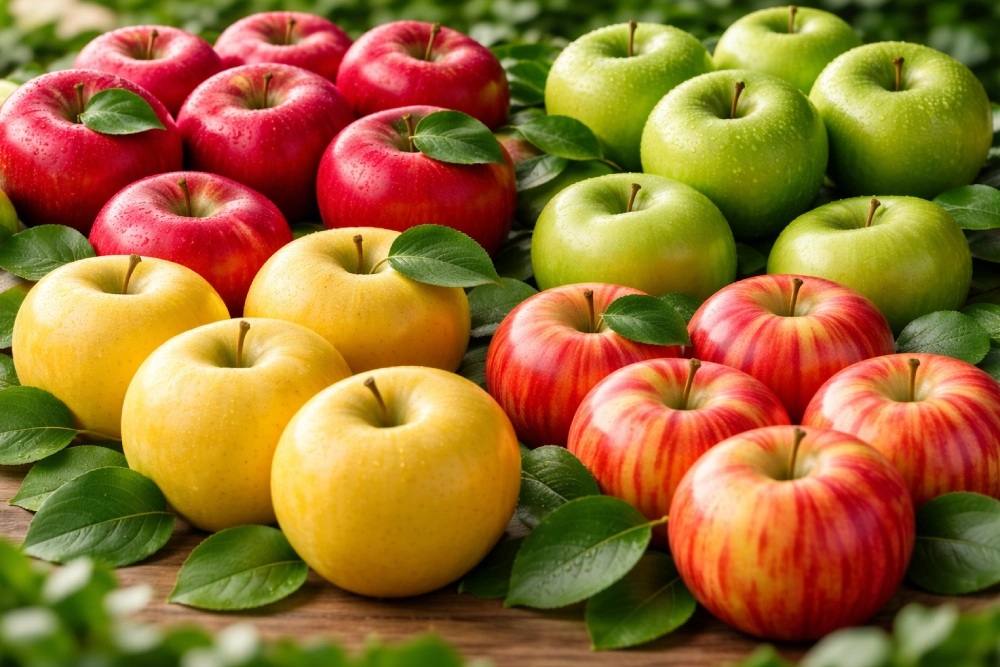
Rockit Apples continues its regional momentum with a high-impact in-store sampling campaign at Spinney’s Riyadh, activating across three premium locationsLa Strada, Kfad, and U-Walk.

Recently, our brand came face-to-face with shoppers in these high-footfall destinations. This campaign aimed to deepen local market presence and introduce Rockit’s crisp, ready-to-eat apple to on-the-go snackers in the Kingdom.

📍 The Experience

At each Spinney’s location, our in-store brand ambassadors created a memorable shopper experience by offering free samples of Rockit Apples, educating consumers on the product’s premium quality, portability, and natural sweetness.

Engagement highlights included:

  • Smiles and instant feedback from first-time tasters
  • A clear consumer preference for healthy, ready-to-eat snacks
  • Visual storytelling through branded sampling counters, retail signage, and live demonstration

🔗 Why Spinney’s?

Spinney’s Riyadh locations were strategically chosen for their upscale, high-traffic positioning — ideal for Rockit’s premium snacking proposition. These activations are part of our continued efforts to localize the brand experience while maintaining consistency across global markets.

🎯 Results That Matter

  • 3 locations activated in 3 days
  • 250+ samples delivered directly to target consumers
  • Increased brand awareness and retail engagement in a growing GCC market
  • Shopper conversations that extended beyond the store and into brand advocacy

🚀 What’s Next?

The success of this activation builds on our earlier campaigns in Saudi Arabia and sets the stage for expanded presence across the region. As the appetite for better snacking grows, so does the Rockit brand — one crunchy bite at a time.

Stay tuned as we bring more fresh experiences to more cities.

#RockitApples | #SpinneysKSA | #SaudiRetail | #InStoreActivation | #SnackSmart | #MarCommInAction

5 Citrus Fruits To Eat In UAE

5 Citrus Fruits To Eat In UAE

5 Citrus Fruits To Eat In UAE

Citrus fruits are some of the most popular and widely eaten fruits in the UAE. They offer a refreshing taste, nutritional benefits, and versatility in different cuisines. Whether in fine-dining restaurants, large hotel chains, or food service providers, citrus fruits are important for drinks, desserts, marinades, sauces, and health-focused menus.

In addition to their refreshing taste, vibrant aroma, and high nutritional value, citrus fruits are widely consumed fresh. Their year-round availability and health benefits make them a preferred choice across households, restaurants, and the hospitality sector.

Citrus fruits offer many health benefits, such as:

  • Strengthening the immune system
  • Supporting digestion
  •  Improving skin health
  • Providing hydration and essential nutrients

Their natural freshness and versatility make citrus fruits an important part of daily nutrition in the UAE. Below are five popular citrus fruits commonly eaten in the UAE:

1. Oranges

Oranges are one of the most popular citrus fruits in the world. They are especially liked in the UAE because of their sweet taste and juiciness. People enjoy them fresh, as juice, or in both sweet and savory dishes.

Nutritional Value of Oranges: 

Oranges are a great source of Vitamin C, which boosts the immune system and helps produce collagen for healthy skin. They are also high in dietary fiber, especially pectin, which helps with digestion and keeps cholesterol levels in check. Oranges have antioxidants like flavonoids that protect the body from oxidative stress.

Health benefits of Oranges: 

  • Boosts immunity and overall wellness
  • Supports heart health
  • Improves digestion
  • Helps maintain healthy skin

Oranges contribute to heart health and are commonly included in breakfast menus and fresh juice offerings.

2. Lemons

Lemons have a strong, tangy flavor and are popular in Middle Eastern and global cuisines. In the UAE, people often add lemons to drinks, marinades, seafood dishes, and salads.

Nutritional Value of Lemons: 

Lemons are high in Vitamin C. They also have helpful plant compounds like citric acid and flavonoids. They are low in calories and sugar, which makes them great for health-conscious diets.

Health benefits of Lemons: 

  • Supports digestion and metabolism 
  • Helps improve nutrient absorption 
  • Promotes hydration 
  • Contains antioxidants that support skin health

Lemons are often used in detox drinks, marinades, sauces, and salad dressings.

3. Limes

Limes are smaller than lemons, but they have a stronger citrus flavor. People often use them in drinks, sauces, and marinades. They are a key ingredient in many international dishes.

Nutritional Value of Limes: 

Limes are a great source of Vitamin C and antioxidants that protect the body from free radical damage. They also have small amounts of calcium, potassium, and magnesium.

Health benefits of Limes: 

  • Strengthens the immune system 
  • Supports healthy digestion 
  • Enhances iron absorption 
  • Helps reduce inflammation

Limes are commonly added to fresh juices, seafood dishes, and garnishes.

4. Grapefruit

Grapefruits have a slightly bitter but refreshing taste. They are becoming more popular in the UAE, especially among people looking for healthier food choices.

Nutritional Value of Grapefruit: 

Grapefruits are high in Vitamin C and Vitamin A. Both vitamins support immune function and eye health. They are also rich in antioxidants like lycopene and beta-carotene.

Health benefits of Grapefruit: 

  • Supports weight management
  • Helps regulate blood sugar levels 
  • Promotes heart health 
  • Improves hydration

Grapefruits are often consumed fresh, in juices, or as part of healthy breakfast options.

5. Mandarins (Tangerines & Clementines)

Mandarins are smaller, sweeter, and easier to peel than oranges. This makes them a popular and handy citrus fruit in the UAE.

Nutritional Value of Mandarins: 

Mandarins are rich in Vitamin C and dietary fiber. They also have potassium and folate, which are vital for heart health and energy production.

Health benefits of Mandarins: 

  • Boosts immunity 
  • Supports digestive health 
  • Helps maintain healthy blood pressure 
  • Provides natural energy

Mandarins are commonly eaten fresh and included in fruit platters and desserts.

Citrus fruits are important for healthy eating because they provide essential vitamins, minerals, and antioxidants. In the UAE, people commonly consume oranges, lemons, limes, grapefruits, and mandarins. These fruits are appreciated for their taste and nutritional value.

Eating different types of citrus fruits can improve your overall wellness and add lively flavor to meals and drinks.


Why Choose NRTC Group for Citrus Fruits in the UAE?

As one of the region’s most trusted fresh produce suppliers, NRTC Group offers end-to-end sourcing solutions for citrus fruits and other fresh produce.

Key Advantages for Bulk Buyers

  • Global sourcing network for premium citrus fruits
  • Strict quality control and food safety standards
  • Efficient cold-chain logistics to preserve freshness
  • Customized bulk supply solutions for restaurants, hotels and food chains
  • Reliable year-round availability

Whether you operate a single restaurant or manage a large hospitality chain, NRTC Group ensures consistent supply, competitive pricing, and superior quality.

Welcoming Ripe Organic to the NRTC Family — A Strategic Acquisition That Expands Our Organic Footprint

ripe organic acquisition

NRTC Group is pleased to announce the acquisition of Ripe Organic, a well-established homegrown brand within the UAE’s organic food segment. This acquisition represents a strategic enhancement of our portfolio and supports our long-term objective of expanding our presence in the fast-growing organic food category.

The integration of Ripe Organic’s product portfolio, private-label offerings, and digital assets strengthens NRTC Group’s capability to deliver certified organic products at scale. This development aligns with evolving consumer preferences for clean-label, sustainably sourced food and enables us to serve a broader range of customers across e-Commerce, B2B Retail, HORECA, Food Services and other B2B Channels.

The acquisition also reinforces our commitment to supporting local agriculture and improving supply chain resilience. By expanding our partnerships with UAE farms and enhancing operational efficiencies, NRTC Group is well-positioned to capture increased market share in the organic segment and deliver greater value to our stakeholders.

As the UAE continues to prioritise food security and sustainability, NRTC Group remains committed to contributing meaningfully to a robust and future-ready food ecosystem. This acquisition reflects our focus on strategic growth, category leadership, and the continued expansion of our fresh and organic product capabilities.

NRTC Joins Clean UAE 2025: A Collective Step Toward a Cleaner & Greener Future

NRTC proudly participated in Clean UAE 2025, the 24th edition of the Emirates Environmental Group’s (EEG) flagship national sustainability campaign. This year’s initiative, held under the esteemed patronage of the UAE Ministry of Climate Change and Environment, continues to strengthen community engagement and environmental responsibility across the nation.

On Saturday, 6th December 2025, the NRTC Team gathered at the Half Desert in Bur Al Ruwayyah, Dubai, joining hundreds of other volunteers from government entities, private organisations, academic institutions, and local communities. Together, we took part in a large-scale cleanup activity focused on collecting, sorting, and removing waste to help restore and protect one of Dubai’s natural landscapes.


A Nationwide Sustainability Movement

Clean UAE is more than an annual campaign — it is a nationwide movement that embodies collective action. Designed to unite communities across all seven Emirates, the initiative plays a key role in supporting the UAE’s broader environmental goals and its vision for a sustainable, climate-resilient future.

In 2024, the campaign attracted over 83,000 volunteers and removed more than 43,000 kg of waste, with the majority successfully diverted for recycling. This year’s continued efforts aim to build on that momentum, mobilising even more individuals and organisations to make a meaningful environmental impact.

NRTC’s Commitment to Sustainability

As a leading name in the fresh produce industry, NRTC remains committed to environmental stewardship and responsible business practices. Our participation in Clean UAE 2025 reflects our continued dedication to:

  • Supporting community-driven environmental initiatives
  • Promoting the protection and conservation of natural ecosystems
  • Encouraging eco-friendly habits within our workforce and local community

By joining hands with national partners and volunteers, we aim to contribute to a cleaner, and greener UAE for the future generation.

Moving Forward

Sustainability is an ongoing journey, and initiatives like Clean UAE serve as vital reminders of the impact we can create when we act together. NRTC is proud to be part of this collective movement and will continue to support activities that foster environmental awareness and action.

Together, we can build a more sustainable tomorrow — one small step, one cleaner space, and one community effort at a time.

Automation and AI in Farming: Transforming Agriculture in the UAE

Automation and AI in Farming

The farming sector in the United Arab Emirates is undergoing a profound transformation driven by automation and artificial intelligence (AI). This change not only focuses on delivering quality food products but also drives better, more efficient and sustainable methods to grow them.

In this blog, we explore the technologies, applications, benefits, drawbacks, and overall role of AI in UAE agriculture, and how businesses like NRTC Group can embrace these advancements.

Technologies Propelling Automation & AI in Agriculture

Farming in arid climates such as the UAE increasingly depends on advanced technologies. Key drivers include:

  1. IoT sensors, drones, and robotics – According to Intellias, farms now use IoT sensors to measure soil moisture, temperature, nutrient levels, and weather patterns in real time. Drones and autonomous robots support crop monitoring, spraying, weeding, and even harvesting.
  2. AI and machine learning analytics – At the core of smart agriculture are AI algorithms capable of analysing soil and satellite imagery, predicting yields, detecting pests, and optimising irrigation and fertiliser application. AI processes massive data streams to generate actionable insights rather than simple descriptive reports.
  3. Automation and autonomous equipment – Agricultural automation includes autonomous tractors, smart irrigation systems, automated greenhouses, and robots that work continuously without fatigue. Intellias notes that autonomous farm technologies are driving productivity and sustainability gains.
  4. Vertical and controlled-environment farming – Vertical farming and indoor agriculture are expanding rapidly in the UAE’s harsh climate. AI regulates lighting, humidity, and nutrient delivery in these controlled environments, enabling year-round cultivation regardless of external weather conditions.

Applications of AI & Automation in UAE Agriculture

How are these technologies applied on the ground, particularly in the UAE?

  • Precision irrigation and soil health management

    AI-powered soil analysis evaluates pH, moisture, and fertility to recommend suitable crops and treatments. In water-scarce regions like the UAE, this is essential. AI-driven sensor and weather-forecasting combinations have reduced irrigation water usage by 30–60%.
  • Crop monitoring and yield prediction

    With drone/satellite imagery and computer vision, AI detects early signs of disease, pest infestation, or crop stress. It also forecasts planting and harvesting windows, as well as expected yields.
  • Autonomous operations: from planting to harvesting

    Robotic harvesters, autonomous tractors, and drones for seeding and spraying reduce labour dependence and support 24/7 operations.
  • Supply-chain and logistics optimisation

    Beyond the farm, AI streamlines logistics planning, inventory management, crop-to-market movement, and predictive demand analytics. Generative AI is increasingly used in agribusinesses for forecasting, documentation, and end-to-end process optimisation.
  • Smart greenhouses and indoor farming

    AI automatically regulates climate, lighting, nutrients, and irrigation to maximise growth—especially valuable in the UAE, where outdoor farming is constrained.

Benefits of AI in Agriculture

  • Resource optimisation: AI reduces wasteful use of water, fertilisers, and pesticides while maintaining or improving yields.
  • Improved yields and crop quality: Intelligent insights enhance productivity and support effective harvest planning.
  • Cost savings and labour efficiency: Automation lowers labour dependency, reduces operational costs, and mitigates labour shortages.
  • Environmental and sustainability gains: Smart farming cuts resource consumption, lowers emissions, and promotes sustainable practices—crucial in the UAE.
  • Resilience against climate and market disruptions: Enhanced monitoring and forecasting help farms anticipate and mitigate risks.

Challenges for AI & Automation

Despite its promise, AI adoption comes with challenges:

  • High upfront costs and technical complexity: Deploying IoT networks, AI systems, and autonomous machines requires investment, expertise, and infrastructure.
  • Data connectivity and infrastructure limitations: Remote or desert farms may face connectivity and power challenges.
  • Skills shortages and change management: Farmers and agricultural businesses must adapt to new workflows and trust AI-driven decision-making.
  • Regulation, data privacy, and standardisation: Farm data collection raises issues of ownership, security, and system interoperability.
  • Adaptation to local conditions: AI models trained elsewhere may not directly apply to UAE-specific soil, climate, and crop conditions.

The Role of AI in UAE Agriculture & NRTC Group’s Position

The UAE must overcome arid conditions, water scarcity, limited arable land, and high input costs. AI and automation are becoming essential enablers of sustainable agricultural operations. 

For NRTC Group—an organisation that sources, distributes, and supplies agro-inputs and food products across the UAE and GCC—adopting these technologies means:

  • Facilitating innovative agritech solutions for farming clients.
  • Providing advisory services that connect agro-inputs with sensor, automation, and precision-farming platforms.
  • Collaborating with technology providers to introduce IoT, analytics, and automation to partner farms.
  • Using AI-driven projections to optimise logistics and improve market alignment.
  • Supporting sustainable agriculture by promoting technologies that reduce water, fertiliser, and chemical usage.

By positioning itself at the intersection of technology, farming, and distribution, NRTC Group can accelerate the UAE’s transition to AI-enabled agriculture.

Enhancing Farming Methods with AI Technology

Here are practical ways AI is enhancing farming methods in the UAE:

  • Precision water management: AI uses forecasts, soil moisture data, and sensors to irrigate only when and where needed, conserving scarce water.
  • Variable-rate fertiliser and pesticide application: AI applies inputs precisely to zones that require them, reducing waste and environmental impact.
  • Early disease and pest detection: AI-powered drones identify early stress indicators, enabling timely interventions.
  • Yield forecasting and predictive analytics: AI empowers farms and distributors—such as NRTC Group—to plan logistics and market strategies proactively.
  • Autonomous greenhouse and vertical-farm management: AI automates climate, lighting, and nutrient delivery for intensive, high-yield production.
  • Supply-chain optimisation: AI connects production with real-time demand, reducing wastage and post-harvest losses.

The UAE’s agricultural sector is on the cusp of an AI- and automation-driven transformation. For companies like NRTC Group, the opportunity lies not just in supplying inputs but in enabling a smart agricultural ecosystem where data, technology, and farming intersect. Technologies such as IoT sensors, drones, AI analytics, and autonomous systems are helping improve yields, optimise resource use, and strengthen supply-chain resilience.

However, challenges remain—investment costs, connectivity limitations, skills gaps, and the need for local adaptation. By understanding these dynamics and acting as a bridge between technology providers, farms, and markets, NRTC Group can play a pivotal role in shaping the future of smart farming in the UAE.

As the country moves from conventional practices toward precision agriculture, AI and automation will form the backbone of a more competitive, sustainable, and future-ready agricultural sector.

Kiwi: The Power-Packed Fruit for Wellness and Health

Kiwi

In terms of nutrient-rich fruits that offer refreshing flavor and numerous health benefits, kiwis unquestionably top the chart. With their bright green flesh, tiny black seeds, and sweet–tangy taste, kiwis are more than just delicious—they’re a powerhouse of vitamins, minerals, and antioxidants that can strengthen immunity, improve digestion, and support overall wellness. 

This article explores the history of kiwi, whether it is considered a hot or cold fruit, its nutritional value, top health benefits, ways to incorporate it into daily life, potential risks, and how NRTC Group—one of the UAE’s leading fresh fruit and vegetable distributors—delivers premium-quality kiwis straight from the farm to your table.

Origin of Kiwi Fruit

The kiwi fruit (Actinidia deliciosa) originates from the mountainous regions of China, where it was historically known as the “Chinese gooseberry.” In the early 20th century, it was introduced to New Zealand, where farmers cultivated and commercialized it under the name “kiwi,” inspired by the country’s national bird.

Today, kiwi is grown worldwide—including Italy, Chile, Greece, and New Zealand—making it an accessible superfruit.

Is Kiwi a Heat or Cold Fruit?

Kiwis are considered a cooling fruit, ideal for balancing body heat during hot weather. Their high water content and naturally refreshing taste help regulate body temperature. However, thanks to their high vitamin C and antioxidant content, they are equally beneficial in winter for boosting immunity and helping prevent seasonal colds.

Whether it’s summer or winter, kiwi adapts perfectly to your body’s needs, offering the best of both worlds.

Kiwi Nutrition Facts

A quick look at the nutritional content per 100 grams of kiwi:

  • Calories: 41–45 kcal
  • Carbohydrates: 10.1 g
  • Fiber: 2.1 g
  • Protein: 0.8 g
  • Vitamin C: 92.7 mg (more than oranges!)
  • Vitamin K: 40 µg
  • Potassium: 312 mg
  • Folate: 25 µg
  • Calcium: 34 mg
  • Magnesium: 17 mg

Kiwis are low in calories, rich in fiber, and exceptionally high in vitamin C—making them an excellent choice for weight management, heart health, and immunity.

Top 10 Kiwi Fruit Benefits

  1. Boosts Immunity – Packed with vitamin C, kiwis strengthen the immune system and help the body fight infections and viruses.
  2. Supports Digestion – Kiwi contains actinidin, a natural enzyme that aids protein digestion. Its fiber content also promotes regular bowel movements.
  3. Improves Heart Health – High potassium levels help regulate blood pressure by balancing sodium, reducing strain on the heart.
  4. Enhances Skin Glow – Antioxidants and vitamin C support collagen production, keeping skin firm, hydrated, and radiant.
  5. Aids Weight Loss – Low in calories and high in fiber, kiwis help you stay full longer and support healthy digestion.
  6. Improves Sleep Quality – Some studies suggest that kiwi consumption before bed may improve sleep due to its antioxidants and serotonin levels.
  7. Regulates Blood Sugar – Despite their sweetness, kiwis have a low glycemic index, making them suitable for people with diabetes.
  8. Strengthens Bones – Vitamin K and calcium in kiwi support bone strength and may help prevent osteoporosis.
  9. Protects Eyesight – Lutein and zeaxanthin support eye health and reduce the risk of age-related macular degeneration.
  10. Reduces Inflammation – Kiwi’s polyphenols and antioxidants help fight inflammation and oxidative stress, which contribute to chronic diseases.

How to Consume Kiwi Fruit?

  • Eat it raw: Slice it in half and scoop out the flesh.
  • Add to smoothies: Blend with banana, spinach, and yogurt for a nutritious drink.
  • Mix into salads: Add kiwi slices to fruit or green salads for extra zest.
  • Use as a topping: Pair with oatmeal, pancakes, or yogurt bowls.
  • Make fresh juice: Combine kiwi with mint and lemon for a refreshing detox drink.

Pro tip: The skin is edible and rich in fiber—just rinse thoroughly before eating!

Possible Dangers of Kiwi Fruit

Although kiwi is safe for most people, it may cause allergic reactions in individuals allergic to latex, bananas, or avocados. Symptoms may include itching, swelling, or skin rashes. Eating too much kiwi may also cause digestive discomfort due to its high fiber content.

NRTC Group: Delivering Fresh Kiwis to Your Table

If you’re in the UAE and seeking fresh, high-quality kiwis, NRTC Group is a trusted source. As one of the nation’s leading suppliers of fresh fruits and vegetables, NRTC ensures that every kiwi is carefully handpicked, stored, and delivered under optimal conditions to preserve freshness and nutritional value. 

Our commitment to quality, sustainability, and our expertise in sourcing Kiwis for the last 50 years make us a reliable partner for homes, restaurants, and retailers alike.

Conclusion

From boosting immunity to improving digestion and enhancing skin health, kiwi truly earns its reputation as a superfruit. Its delicious flavor, nutritional richness, and versatility make it a valuable addition to any diet. 

With dependable suppliers like NRTC Group, you can enjoy farm-fresh kiwis year-round, ensuring that you and your loved ones receive the very best nature has to offer.

Things to Consider When Choosing Fresh Fruit Companies in the UAE

Things to Consider When Choosing Fresh Fruit Companies in the UAE

Sourcing fresh fruit in the UAE presents both businesses and consumers with several challenges: an unfavorable climate, long transportation routes, heavy reliance on imports, and rising demand for premium-quality produce. A reputable fresh fruit company must therefore offer consistency, traceability, high quality, and timely delivery.

Key criteria to evaluate include:

  1. Supply-chain integrity: Does the company import from reputable farms or grow locally? Are temperature-controlled logistics in place?
  2. Quality standards: Is the produce harvested at the optimal stage, handled hygienically, and free from unnecessary preservatives?
  3. Range and freshness: Does the supplier offer a good seasonal variety, and do they have the capacity to supply retail, hospitality, or foodservice sectors?
  4. Service and reliability: Can the supplier meet delivery schedules, manage bulk orders, and respond effectively to customer requirements?
  5. Sustainability and innovation: Especially in the UAE’s hot climate, companies that invest in innovative farming methods, advanced cold-chain logistics, or local partnerships stand out.

NRTC Group: Sourcing Fresh Fruits since 1973

NRTC Group has over 50 years of experience in the Middle East fresh produce market—a unique pedigree in a sector where many suppliers are relatively new. 

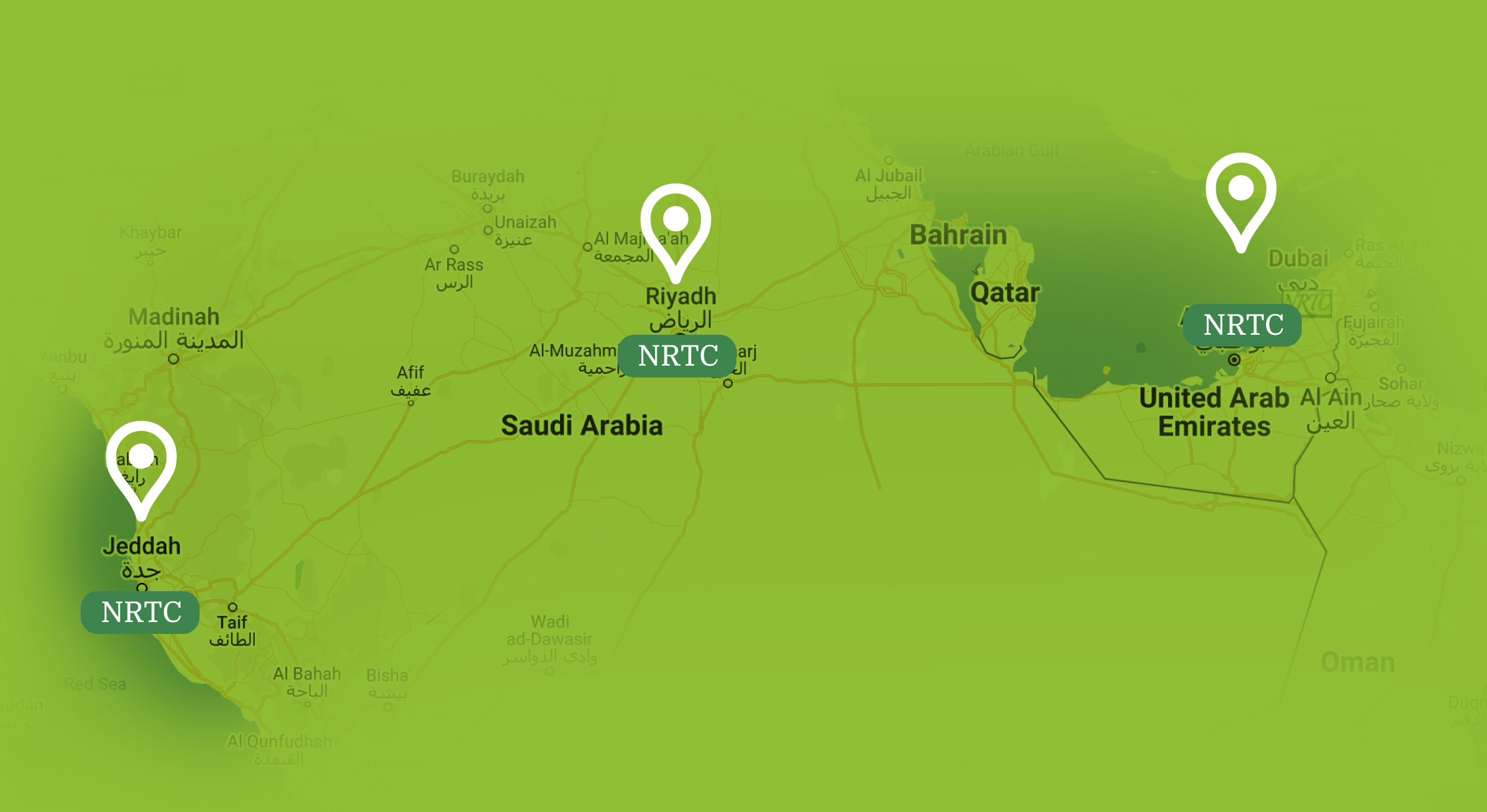
The company operates in both the UAE and Saudi Arabia, importing and distributing large volumes of fresh fruits and vegetables from farms in Lebanon, Turkey, Egypt, Oman, Morocco, and Jordan. 

NRTC operates 11 facilities with all 35 temperature-controlled units, ensuring optimal freshness from farm to shelf.

Product Range & Fresh Fruit Focus

NRTC offers a wide selection of fresh fruit, hand-picked from premium farms. The company emphasizes that its fruits are carefully sorted, packed, and distributed to preserve flavor, color, and nutritional value. 

In addition to standard fresh fruit, NRTC provides fresh-cut, ready-to-eat options, as well as fresh juices made from high-quality fruit with no added preservatives. 

For any business in the UAE seeking a reliable fresh fruit company and supplier, NRTC is a strong contender.

Why NRTC’s Model Works for the UAE Market

  1. Deep sourcing network: By importing from multiple countries, NRTC reduces reliance on any single source—crucial in a region facing climate risks and supply volatility.
  2. Cold-chain and logistics capability: Fresh fruit is highly perishable and especially vulnerable in the GCC’s hot climate. With 35 temperature-controlled rooms and multiple chiller locations, NRTC maintains a strong competitive edge.
  3. Local relationships: Collaborations with farmers in Oman and the UAE help improve freshness, reduce transit time, and enhance local responsiveness.
  4. Innovation and service focus: Their core competencies emphasize Uncompromised Quality, Integrity, and a strong Family Culture.
  5. Transparency and trust: These same values—quality, integrity, and family culture—guide their operations and strengthen customer confidence.

For hospitality, retail, catering or even e-commerce fresh fruit businesses in the UAE, NRTC can make supply-chain concerns easy and shift product standards to a higher level. 

Top Market Trends, Customer Demand & How Fresh Fruit

Companies Are Meeting The Demand

  1. Rising Demand for Premium & Organic Produce
    The UAE market is seeing increased demand for premium fruit varieties—including specialty apples, imported berries, and exotic tropical fruits—as well as certified organic produce. NRTC highlights its “Organic range of fruits and vegetables grown without the use of any chemical fertilizers or pesticides” on its website. When selecting a fresh fruit supplier, businesses should verify the chain of custody, certifications, and whether the supplier maintains dedicated organic lines.
  2. Emphasis on Ready-to-Eat Formats
    Busy consumers, hospitality chains, and food-service operators increasingly seek convenient formats such as washed, cut, and packed fruit ready for immediate consumption. NRTC includes Fresh Cuts in its product offering.For business models involving ready-to-eat retail, hotel breakfast buffets, or in-flight catering, this capability is a key differentiator.
  3. Local & Regional Sourcing + Agro-Innovation
    As the UAE prioritizes food security and aims to reduce import risk, fresh-fruit companies are investing in regional partnerships, local farming alliances, advanced greenhouse technologies, vertical farming, and digital supply-chain systems. NRTC’s blog discusses topics such as “The Future of Vertical Farming in the UAE.”When evaluating suppliers, look for evidence of innovation—vertical farms, climate-controlled greenhouses, or advanced cold-chain logistics.
  4. Logistics & Cold-Chain Reliability
    In the UAE, the ability to manage long transit routes, extreme temperatures, and rapid product turnover is essential. NRTC’s infrastructure—11 chiller sites and numerous temperature-controlled rooms—sets a strong benchmark. Regular audits, ISO certifications, and transparent logistics tracking are additional indicators of a dependable fresh-fruit supplier.

Why NRTC Group Should Be on Your Radar

In the UAE’s fresh fruit sector, NRTC Group offers a strong combination of wide sourcing coverage, a robust cold-chain network, customer-focused service, and a solid local and regional presence. For businesses seeking a true supply-chain partner rather than just a vendor, NRTC is a compelling option.

With decades of experience, an extensive product range (fresh fruit, fresh cuts, and juices), and a commitment to quality and innovation, the company stands out in the market.

If you are exploring new supply options for fresh fruit in the UAE, it is wise to meet with NRTC, review product samples, evaluate real-time logistics performance, and determine how their service aligns with your business needs.

Final Thoughts

The UAE fresh fruit market is competitive and demanding—but this makes choosing the right partner even more critical. By prioritizing supply-chain strength, consistent quality, service reliability, and innovation, businesses can ensure they deliver the best products to consumers.

In this respect, NRTC Group serves as a benchmark in the UAE. Whether you are supplying retail shelves, hotel buffet stations, or ready-to-eat snack formats, partnering with a specialist fresh-fruit company like NRTC can offer a strategic edge in freshness, reliability, and differentiation.

A Closer Look at NRTC Farm in Al Hashemeya, Egypt
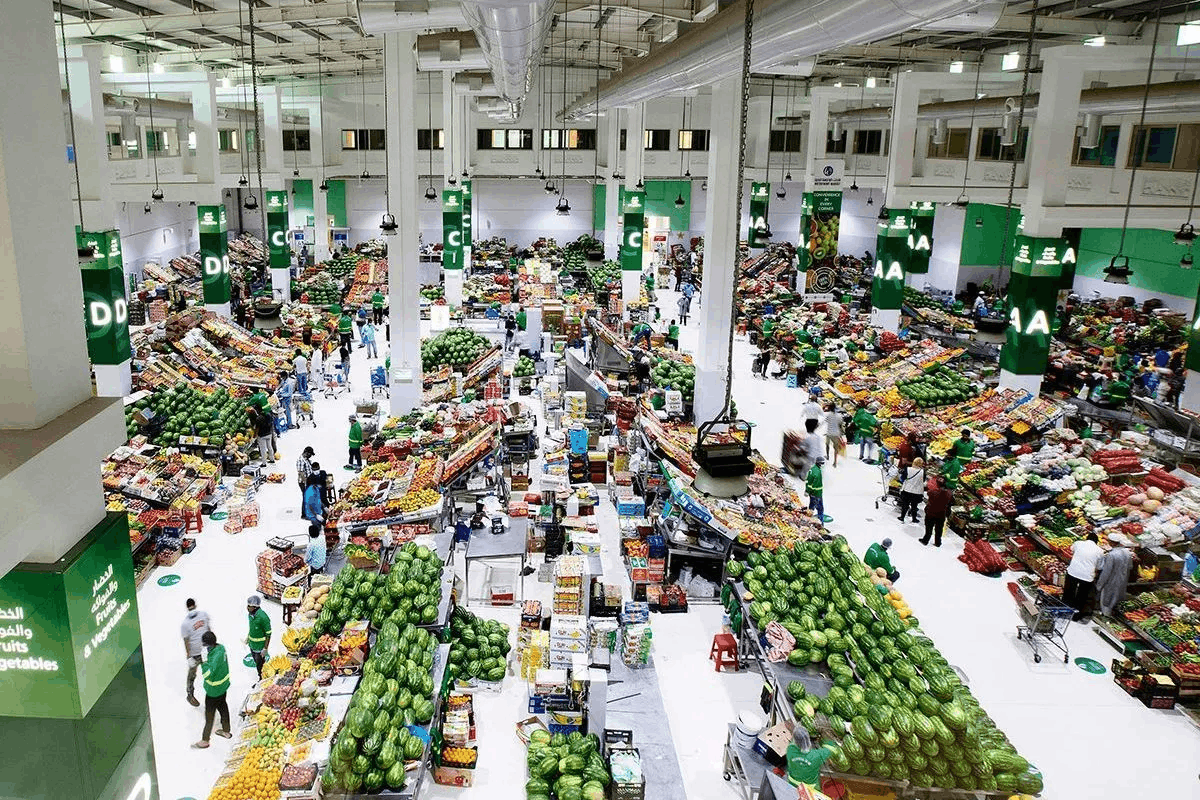
A Closer Look at NRTC Farm in Al Hashemeya, Egypt
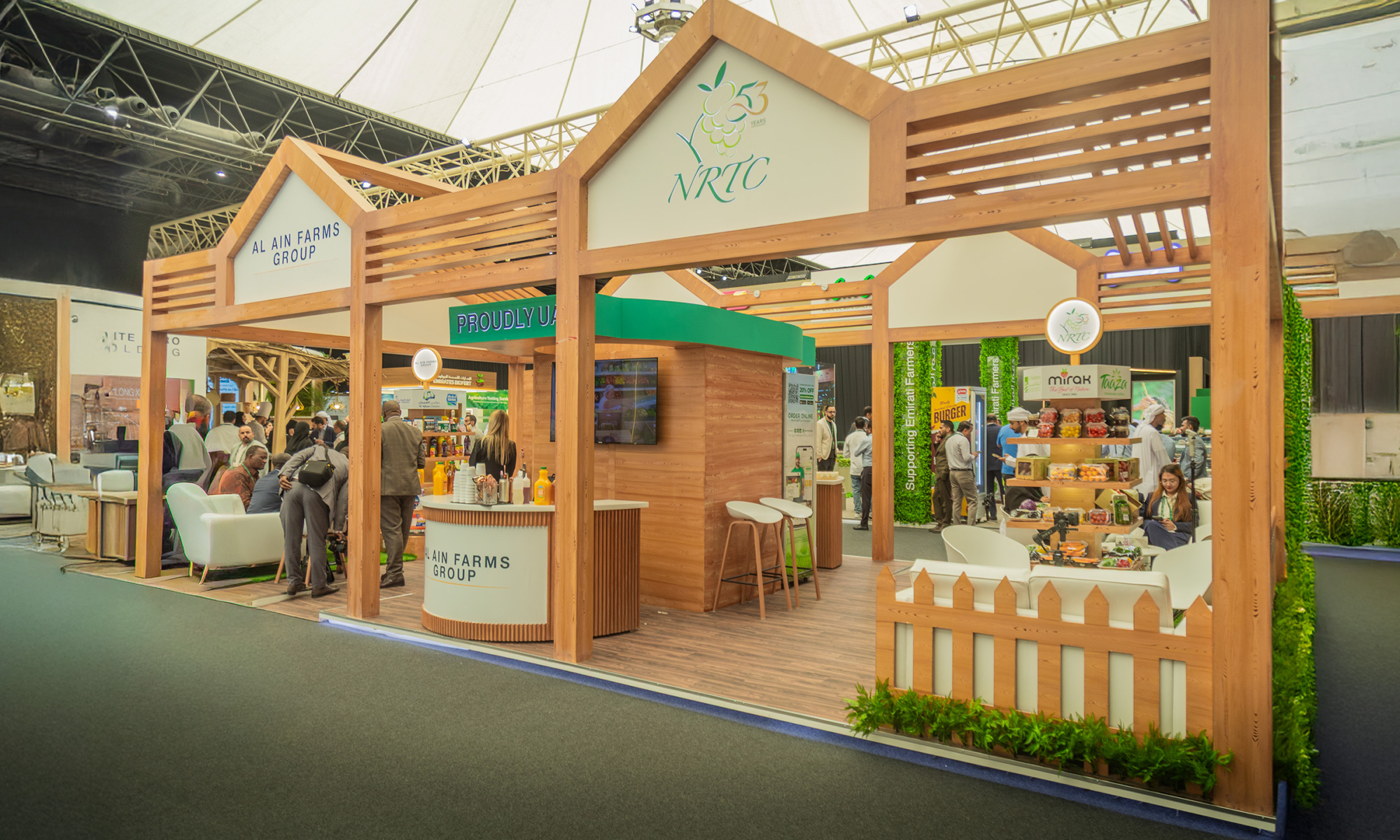
A Closer Look at NRTC Farm in Al Hashemeya, Egypt
A closer look at NRTC Group’s strategic agricultural hub

When we speak of “Our Farm in Al Hashemeya – Egypt”, we’re referring to a landmark estate now part of the NRTC Group’s growing footprint in upstream agriculture. This is not just another farm—it’s a 10,000-acre agricultural estate in Egypt’s Wadi El Natrun that now serves as a cornerstone for delivering premium produce across the region.

A Strategic Acquisition: The Backdrop

In a bold step, NRTC Group formally acquired the estate known as Al Hashemeya Farms, positioned to reshape how fresh produce is grown and delivered from farm to table. The estate spans approximately 10,000 acres, with roughly 70% under cultivation, making this a meaningful investment not just in land, but in food-security, quality control, and regional resilience.

This move allows NRTC to become vertically integrated: from sourcing and distribution of fresh fruit and vegetables to actually owning and managing the cultivation of premium crops at scale.

Our Farm in Al Hashemeya – What Makes It Special

Diverse Crops & Scale

At the heart of the farm’s significance is its crop portfolio and scale. It features over 2 million fruit trees and cultivates a diverse set of crops: citrus, mangoes, grapes, olives, dates, wheat and sugar beet, among others. The estate has the capacity to yield up to around 70,000 tonnes annually.

Modern Farming Techniques

What distinguishes the NRTC farms is its combination of modern techniques with large-scale cultivation:

  • Centre-pivot irrigation systems that optimise water use.
  • Solar-powered water infrastructure, reflecting sustainability at its core.
  • Precision‐farming practices and advanced harvesting equipment (including the “only olive harvester in Egypt” referenced on the farm page).

From Field to Fork Quality Control

Because NRTC owns the farms estate rather than simply sourcing produce from third parties, there’s greater transparency, better traceability and tighter control of quality—right from planting through harvesting, packing and distribution. This integration helps ensure the consumer is receiving produce that is fresher, more reliably supplied and subject to higher standards.

Why the Location Matters

Wadi El Natrun is one of Egypt’s agricultural hubs and offers significant advantages: climate suitability for certain fruit trees, access to export routes, and proximity to infrastructure. By locating the farm here, NRTC is better placed to serve Gulf Co‐operation Council (GCC) markets with greater consistency and lower transit times.

Additionally, this reflects a broader strategic imperative: food security in the region. With climate change, import risks, and supply-chain disruptions increasing, owning a large productive estate helps buffer against external shocks.

Our Farm in Al Hashemeya – Vision & Values

Sustainability at the Core

The farm page emphasises “sustainable practices like solar-powered irrigation and precision farming”. By adopting these practices, the farm is not only more environmentally responsible but also more resilient—less dependent on external power and water pressure or unpredictable supply chains.

Partnership & Trust

NRTC highlights “trusted partnerships” as part of the farm’s identity. It’s not simply a large estate, but a collaborative operation involving local farmers, agritech tools and logistics designed to deliver produce with reliability.

Innovation Meets Nature

The tagline “Where Innovation Meets Nature” (as stated on the farm page) is more than marketing: it underlines the combination of scale, tech and traditional agriculture. By leveraging modern harvesters, irrigation controls and solar power, the farm aims to produce at volume while maintaining high standards of quality.

Implications for Produce and Supply Chain

Owning this farm means that NRTC is able to better guarantee supply for its distribution channels. For buyers—whether retailers, hospitality, food-service or direct‐to‐consumer—this translates into:

  • Reliable availability of crops across seasons
  • Consistent quality, because the grower and distributor are aligned
  • Traceability from farm to shelf, enhancing consumer confidence
  • Reduced risk of disruption, as NRTC now controls the upstream portion of the chain

In the context of fresh produce in the UAE and GCC region, this offers a distinct advantage.

What It Means for You, the Consumer or Business Partner

If you’re sourcing fresh fruit or produce, or if you’re a consumer looking for quality produce, the farm in Al Hashemeya gives you several benefits:

  • Produce grown with advanced techniques and sustainable systems means better flavour, freshness and nutritional integrity.
  • Because NRTC oversees both farm and distribution, there may be shorter transit times and less handling stress on produce.
  • As a business partner, you may rely on a supplier who isn’t purely a middleman, but has direct control over production.
  • For regions like the UAE, which import a vast share of fresh produce, this kind of upstream investment means greater supply security, arguably fewer shortages or price spikes.

Looking Ahead: What the Farm in Al Hashemeya Signals

The acquisition and operation of this estate are not only about the farm itself—but also about the broader trend of agricultural investment, vertical integration and regional food system resilience. For NRTC, this is a foundational asset. For the region, it signals a shift toward controlling more of the supply chain. For you, as a consumer or business, it offers a potential quality and reliability leap.

In summary:

  • Under the banner “Our Farm in Al Hashemeya – Egypt”, NRTC Group is now growing produce at scale.
  • The estate combines modern farming tech with a wide crop range and sustainable practices.
  • The proximity of the farm to regional markets and its integration into NRTC’s distribution network makes it a strategic asset.
  • Whether you are sourcing produce or choosing what to put in your store or on your table, knowing the origin and the control behind it adds value.

Final Thoughts

The story of NRTC “Our Farms in Al Hashemeya – Egypt” is one of ambition, innovation and food-system foresight. By owning and operating this estate, NRTC is not just distributing fresh produce—it is growing it with intention, oversight and sustainability built in. For the region’s produce landscape—especially for businesses and consumers in the GCC—the result is potentially fresher, better-quality produce delivered with confidence.